Water Damage From a Roof Leak: What Los Angeles Homeowners Should Do in the First 48 Hours
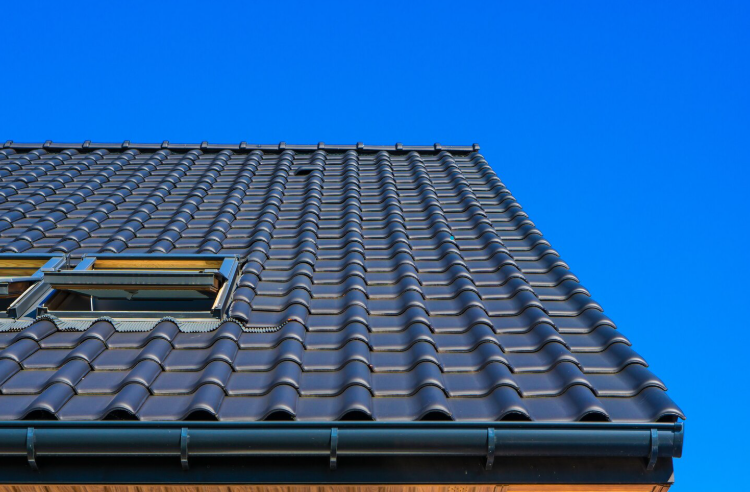
A roof leak at a home in Los Angeles often shows up during the first heavy rain after a long dry season. Months of sun can open small gaps in the roofs flashing and sealant, and those gaps stay hidden until water finds them. The first two days after a leak appears often determine whether the damage stays in one room or spreads into the walls and ceiling.
Dependable Los Angeles roofing service works faster when the homeowner can explain what happened inside the house. Where did the stain first appear? Did the drip start during the storm or a day later? These details help a roofer narrow down the roof entry point. The spot where water drips indoors is often a few feet away from the actual opening above.
Protecting Rooms and Belongings After a Roof Leak
Start with safety. If water is running near a light fixture, outlet, or ceiling fan, switch off that circuit at the breaker panel before you touch anything in the room. Move furniture, rugs, and electronics away from the wet area. Place a bucket or large container under the drip and lay towels around it. A sagging, water-filled ceiling can give way without much warning, so keep people and pets out from under it.
Drying Wet Areas Before Mold Takes Hold
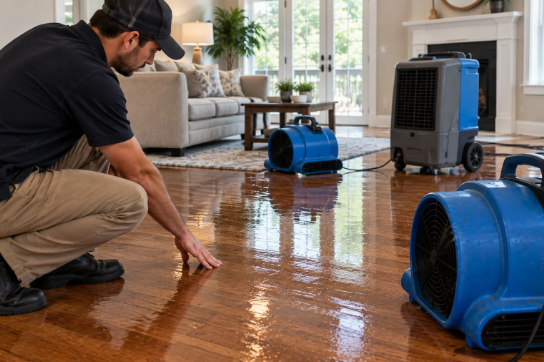
Time matters most at this stage. The U.S. Environmental Protection Agency advises drying water-damaged materials within 24 to 48 hours, because mold usually will not grow if damp areas are dried within that window. Fans and a dehumidifier help a lot here. The EPA also suggests keeping indoor relative humidity below 60 percent, and ideally between 30 and 50 percent, which a small digital gauge can track for a few dollars.
Surfaces can feel dry to the touch while the material behind them still holds water. Drywall, insulation, and wood framing absorb moisture and release it slowly. A moisture meter reads the water content inside these materials, so you can tell whether a wall is truly dry or only looks that way. Many restoration crews and roofers use one before they close up a ceiling or repaint a stain.
Documenting Roof Leak Damage for an Insurance Claim
Insurance adjusters look for clear records, and those records are easiest to collect in the first hours. Take photos and short videos before you clean up. It may feel strange to film a mess, but the footage often carries more weight than a later written description. Save everything in one folder on your phone.
Useful items to capture include:
- The ceiling stain, with a wide shot of the room and a close shot of the damage.
- Wet flooring, furniture, and any damaged belongings, along with their approximate age.
- Receipts for fans, dehumidifiers, tarps, and other supplies you buy.
- The date and time the leak started, plus any weather reports for that day.
Read your policy before the adjuster visits. Many homeowner policies treat sudden storm damage differently from damage caused by slow wear over time, and the wording can affect what gets paid.
Why Rooftop Repairs Belong to a Licensed Contractor
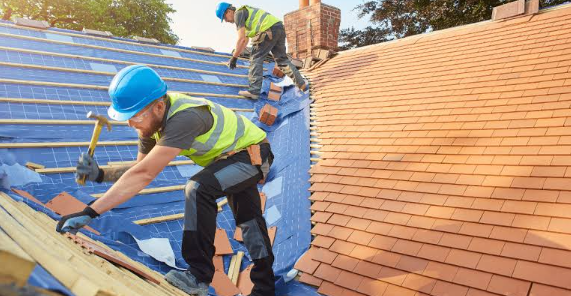
Climbing onto a wet roof is one of the riskiest parts of the whole process. Tile and shingle surfaces turn slick in rain, and a fall from roof height can cause serious injury. A licensed roofer can place a temporary tarp, find the actual entry point, and plan a lasting repair. In California, you can confirm a contractor’s license status for free on the Contractors State License Board website.
Ask the roofer to walk you through what they find. A good inspection usually covers flashing around vents and chimneys, the condition of the underlayment beneath the surface, and any soft spots in the roof deck. A written estimate should list each repair part separately. That way you can compare quotes and share the details with your insurer without confusion.
Next Steps After the Water Stops
Once the leak is sealed, keep watching the area for a few weeks. A faint musty smell, new discoloration, or bubbling paint can point to moisture still trapped inside. Some homeowners schedule a follow-up roof inspection before the next rainy season, perhaps in early fall, to catch small gaps before they let water in again.
A roof leak is stressful, but it does not have to turn into a long repair project. Quick drying, good records, and a qualified roofer on the job give your home the best chance of a clean recovery. Homeowners who follow these steps are more likely to protect both the structure and their insurance claim.