Tingling Feet and Numb Fingers: What Peripheral Nerve Problems Look Like
The feeling of having pins and needles in the feet often starts at night. Most people rub their toes, turn over, and go back to sleep. A few weeks later, the tingling is still there at breakfast, and even a soft sock feels odd against the skin. Changes like these usually point to the peripheral nerves, the network that runs outside the brain and spinal cord.
A neurologist in Ranchi can trace these sensations to their cause and help protect nerve function before the problem spreads further. Peripheral nerves carry signals for touch, pain, and temperature. They control muscles and also help manage blood pressure, sweating, and bladder function. So when they are damaged, the symptoms can look unrelated at first, and that is one reason people wait too long.
Early Signs of Peripheral Neuropathy in the Hands and Feet
In most cases, the longest nerves suffer first, and those are the ones that reach the toes. Numbness, burning, or a feeling of walking on cotton wool often appears in both feet at the same time. Over the following months, the fingers may follow. Some people notice they trip more often on uneven ground. Others find a blister on the foot that never formed before.
How a Nerve Conduction Study Checks for Nerve Damage
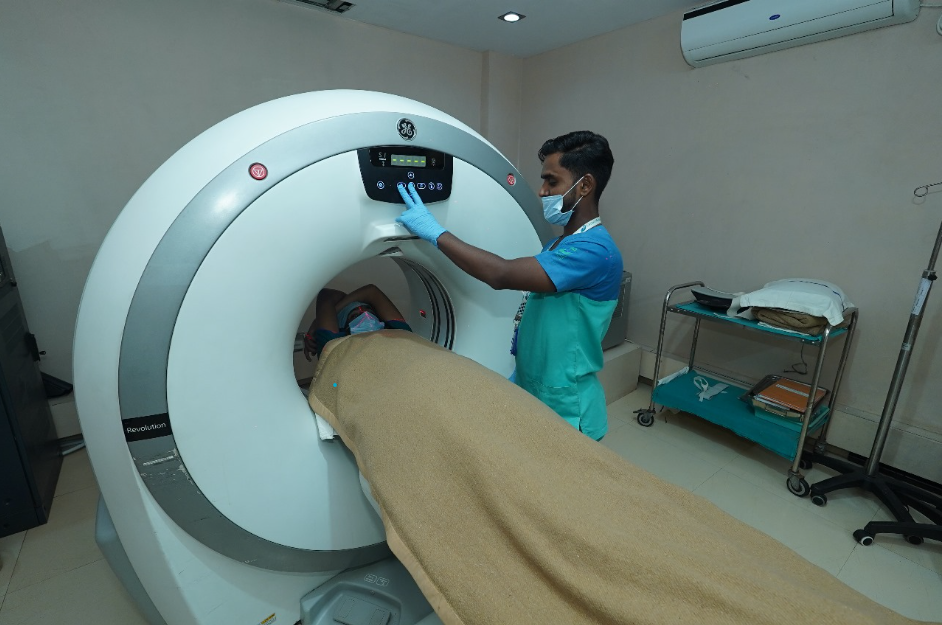
A clinical visit usually begins with simple checks of reflexes, muscle strength and feeling in the feet. Blood tests follow, checking sugar levels, vitamin B12, thyroid function, and kidney function. A nerve conduction study then measures how fast electrical signals travel along a nerve, using small pads placed on the skin. The pulses feel like brief taps, and the results show which nerves are affected and how badly.
See also: Building a Mental Wellness Plan for Illinois Life
Carpal Tunnel Syndrome and Other Common Causes of Numbness
Not every case involves many nerves at once. Carpal tunnel syndrome affects a single nerve at the wrist and causes tingling in the thumb, index, and middle fingers, often during the night. It is more common in people who do repetitive hand work, during pregnancy, and in people with diabetes. Shaking the hand may bring brief relief, though the numbness tends to return by morning.
Diabetes remains the most common cause of widespread nerve damage, because high blood sugar harms the nerves slowly over many years. Low vitamin B12, heavy drinking, kidney disease, some cancer treatments and certain viral infections can also be responsible. In some people, no cause turns up at all, even after full testing. That can feel frustrating, but treating the symptoms can still help.
When to Book a Nerve Assessment
It is easy to blame tingling on tight shoes or long hours at a desk, and perhaps sometimes that really is all it is. Still, a few signs call for a proper assessment rather than more waiting, because unchecked nerve damage can become permanent. Here is what to watch for:
- Numbness or tingling that starts in the toes and slowly moves upwards
- Burning or shooting pain that gets worse at night
- A cut or sore on the foot that is not healing
- Weak ankles, or trouble holding a pen or doing up buttons
- Poor balance in the dark or when the eyes are closed
People with diabetes face the highest risk, which is why regular foot and nerve checks form part of standard diabetes care. A foot wound that goes unnoticed can become infected within days, since the loss of feeling hides the warning that pain would normally give. Did the last diabetes review include a foot sensation test? If it did not, it may be worth asking at the next visit.
Protecting Nerve Health Over the Coming Years
Treatment depends on the cause. Better blood sugar control, vitamin replacement, a medication change, or a wrist splint can slow or ease the damage. Nerve pain often needs its own medicines, since regular painkillers do little for it. Follow-up reviews with a neurologist in Ranchi help track whether the numbness is stable, improving or still spreading, and allow the plan to change if needed.
Here is why timing matters. Nerves repair slowly, and some damage cannot be reversed once it sets in. Hospitals that offer neurology, diabetes care, and nerve testing in one place make it simpler for patients to attend every review. Tingling that has lasted more than a few weeks deserves a closer look, and an early assessment gives the best chance of keeping sensation and strength intact.