Wood Burning Fireplaces Near Me: A Practical Guide for Homeowners
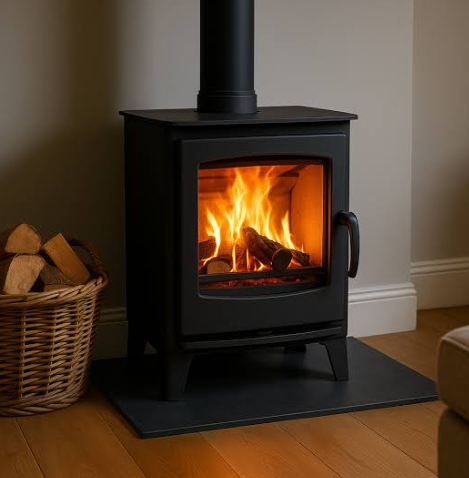
Few home features create the same atmosphere as a wood-burning fireplace. The visible flames, natural warmth, and familiar crackle can make a living area feel inviting during colder months. Yet choosing a wood fireplace involves more than deciding how it should look. Installation conditions, chimney requirements, fuel storage, maintenance, and everyday operation all deserve careful consideration.
When homeowners search for wood burning fireplaces near me, they are often trying to determine whether this traditional heating option fits their property and lifestyle. Understanding the practical side of ownership can make that decision considerably easier.
Why Homeowners Consider Wood-Burning Fireplaces
A wood fireplace offers an experience that differs from many other heating options. Building and maintaining a real fire creates a hands-on routine that some homeowners genuinely enjoy.
The fireplace can also become a central feature of the room. Whether incorporated into a traditional interior or a more contemporary setting, visible flames naturally attract attention and create a comfortable gathering area.
However, that experience comes with responsibilities. Homeowners need to be comfortable handling firewood, cleaning the area, following safe operating practices, and arranging appropriate maintenance.
Decide Whether the Lifestyle Fits
Before focusing on appearance, consider how much involvement you want.
Are you comfortable bringing firewood indoors and maintaining a suitable storage area? Will you use the fireplace frequently enough to justify the preparation involved? Are you prepared for routine cleaning and periodic inspections?
For households that enjoy the process, these tasks can become part of the fireplace experience. Others may prefer a heating option requiring less daily involvement.
Evaluate the Proposed Fireplace Location
Placement affects safety, visual appeal, heating performance, and furniture arrangement.
Start by considering where people naturally gather. A fireplace can work particularly well in a family room or living area where household members already spend significant time.
At the same time, the chosen location needs to support the necessary installation requirements.
Walls, ceiling structure, nearby combustible materials, existing chimney components, and room dimensions can all influence what is practical.
Think About the Entire Room
Do not evaluate the fireplace wall in isolation.
Consider sofas, chairs, tables, entertainment areas, doors, and common walking routes. The finished fireplace should improve the room rather than make furniture placement awkward.
A balanced layout allows people to enjoy the fire while still moving comfortably through the space.
Understand Chimney and Venting Considerations
Proper venting is a fundamental part of wood fireplace planning. Smoke and combustion gases need an appropriate path out of the home.
Existing chimneys should not automatically be assumed suitable for a new installation. Their condition, configuration, and compatibility may require evaluation.
New installations may involve additional structural and venting considerations.
Homeowners seeking local fireplace guidance can benefit from discussing these details before committing to a particular fireplace layout.
Professional Assessment Matters
Wood-burning installations involve fire and combustion, which makes proper assessment especially important.
Qualified professionals can evaluate installation conditions, clearances, chimney requirements, and other relevant factors. Trying to determine suitability based solely on visual appearance can overlook important safety considerations.
Planning these details early also reduces the chance of redesigning the project later.
Plan Your Firewood Storage
Firewood storage is an everyday consideration that can easily be overlooked during fireplace planning.
Wood should be stored in an appropriate location where it can remain suitably dry. Large amounts of firewood should not simply be stacked beside the fireplace for convenience.
Outdoor storage should also be organized so that wood remains accessible during colder weather.
Think About Indoor Handling
Even with outdoor storage, many homeowners keep a smaller amount of wood ready for immediate use.
Consider how firewood will travel from the storage area to the fireplace. A practical route can reduce dirt, bark, and debris being carried throughout the home.
A dedicated container or storage area near the fireplace can help keep the room organized without overcrowding the hearth.
Choose the Right Visual Style
Wood fireplaces can complement many interior styles. The surrounding materials often determine whether the finished installation feels rustic, traditional, transitional, or contemporary.
Stone-inspired finishes can create a substantial architectural presence, while cleaner surrounds can give the fireplace a simpler appearance.
Rather than following a short-lived trend, consider materials that suit the permanent character of the home.
Keep Proportions in Balance
Fireplace dimensions should relate naturally to the room.
A visually oversized installation may dominate a compact space, while a fireplace that appears too small can feel disconnected from a large wall.
Ceiling height, wall width, windows, cabinetry, and nearby architectural details should all influence the final proportions.
Make Safety Part of Everyday Use
Safe operation requires consistent habits.
The area around the fireplace should remain clear of materials that could be affected by heat or sparks. Household members should understand basic fireplace precautions, particularly when children or pets are present.
A fire should not be treated as something that can simply be started and forgotten.
See also: Key Considerations for Launching a Business in 2026
Know What You Are Burning
Not every piece of wood or household material belongs in a fireplace.
Appropriate, properly seasoned firewood supports cleaner and more predictable burning. Painted, treated, coated, or inappropriate materials should not be used as substitutes for suitable firewood.
Homeowners should understand recommended fuel practices before regular operation begins.
Keep Maintenance on the Calendar
Wood-burning systems require ongoing attention because combustion naturally creates residue.
The fireplace and venting system should be maintained appropriately, and homeowners should watch for changes in draft, unusual smoke behaviour, persistent odours, or visible deterioration.
Professional inspection can identify concerns that are difficult to recognize from the room itself.
Cleanliness Improves the Experience
Routine housekeeping around the fireplace also matters.
Ash should be handled appropriately once it is fully safe to do so, and the surrounding area should be kept free from excessive debris. Proper tools can make regular fireplace care easier.
A clean hearth is not merely about appearance; it supports more organized and responsible operation.
Ask Questions Before Installation
Choosing among wood burning fireplaces near me becomes easier when homeowners arrive prepared with practical questions.
Ask about installation requirements, venting, clearances, recommended maintenance, suitable fuel, chimney considerations, and operating practices.
It is also helpful to discuss how frequently you expect to use the fireplace. A household planning regular winter fires may have different priorities from someone seeking occasional ambience.
Conclusion
Wood burning fireplaces near me can offer warmth, atmosphere, and a distinctive focal point, but successful ownership requires thoughtful planning. Location, chimney conditions, firewood storage, room layout, safety practices, and regular maintenance all influence the overall experience.
Consider the fireplace as part of the entire home rather than as a standalone decorative feature. When the installation suits the room and the household is prepared for responsible operation, a wood-burning fireplace can become an enjoyable gathering place throughout many colder seasons.