The First 24 Hours After Water Damage: A Homeowner Safety Checklist
A burst washing machine hose, an overflowing toilet, a roof leak, or a backed-up drain can turn an ordinary day into a stressful emergency. The first day is not about repairing every damaged surface. It is about protecting people, stopping additional water from entering the home, documenting the loss, and starting safe drying measures.
When the situation is too large or uncertain to manage alone, water damage restoration from WOW Total Cleaning & Restoration can provide a structured response that includes extraction, structural drying, dehumidification, cleaning, and repair coordination. The Austin-based company serves property owners across Greater Austin, including Round Rock and San Marcos, and its service approach reflects why prompt inspection and moisture control matter after an indoor flood.
Start With Personal Safety
Keep children and pets away from the affected area. Wet floors can be slippery, ceilings can sag after absorbing water, and soaked materials may become unstable or sharp.
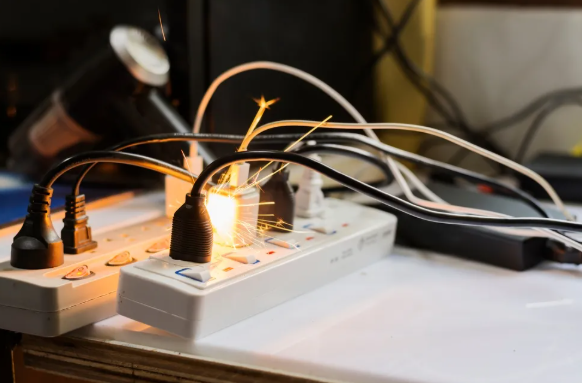
Do not walk through standing water near outlets, appliances, electrical panels, or extension cords. If you suspect electrical danger, leave the area and contact an electrician, utility provider, or emergency services as appropriate. The safety guidance for returning home after a natural disaster also emphasizes watching for hazards such as structural damage, contaminated floodwater, and unsafe electrical conditions.
Storm-related water requires extra caution because it can enter through damaged roofs, broken windows, or exterior flooding. For situations involving wind, rain, or exposed parts of the structure, professional storm damage restoration may include emergency mitigation, drying, and measures to limit further water intrusion.
See also: Building a Mental Wellness Plan for Illinois Life
Stop the Water if You Can Do It Safely
Stopping the source can prevent a manageable leak from becoming a larger loss. Start with the local shutoff valve for the appliance or fixture, if it is accessible and safe. If a supply line has burst or the source cannot be identified, use the home’s main water shutoff valve.
- Turn off the local valve for a leaking toilet, sink, dishwasher, or washing machine when possible.
- Shut off the main water supply if water continues flowing or the source is unclear.
- Do not attempt plumbing repairs near energized equipment or standing water.
- Contact a plumber for a broken pipe, water heater failure, or major supply-line leak.
A plumber addresses the cause of the leak. A restoration team addresses what the water affected, including extraction, cleaning, drying, and moisture inspection.
Decide Whether the Water Is Safe to Handle
Not all water damage presents the same health concerns. Water from a clean supply line may be lower risk at first, but it can become contaminated after traveling across floors, through walls, or into other materials. Water from a toilet overflow, a drain backup, a sewage line, a river, or an exterior flood should be treated as potentially contaminated.
- Wear appropriate protective gear when handling wet materials.
- Avoid contact with sewage-contaminated water and porous materials it has soaked.
- Keep food, medications, and children’s items away from contaminated areas.
- Leave major sewage cleanup and widespread storm flooding to trained professionals.
Document Damage Before Cleanup
Take photographs and short videos before moving furniture or removing damaged materials, provided that doing so does not delay an urgent safety step. Capture wide views of every affected room, then photograph close-ups of stains, swollen flooring, peeling paint, damaged electronics, and personal belongings.
Create a simple written log that includes the date and time the issue was discovered, the likely source, the rooms affected, and the actions taken. Save receipts for emergency supplies, plumbing work, temporary lodging, and mitigation services. These records can make conversations with an insurance company more organized.
Remove Standing Water and Limit Further Damage
If the water is shallow, clean, and away from electrical hazards, homeowners may be able to move small valuables, place blocks or foil beneath furniture legs, mop up water, or use a wet-dry vacuum designed for liquid pickup. Do not use an ordinary household vacuum on standing water.
Stop DIY cleanup and request an assessment when water has reached multiple rooms, soaked carpeting and padding, entered wall cavities, affected cabinets or flooring, or may be contaminated. Do not discard major damaged belongings before documenting them unless they create an immediate health or safety hazard.
Dry More Than the Surface
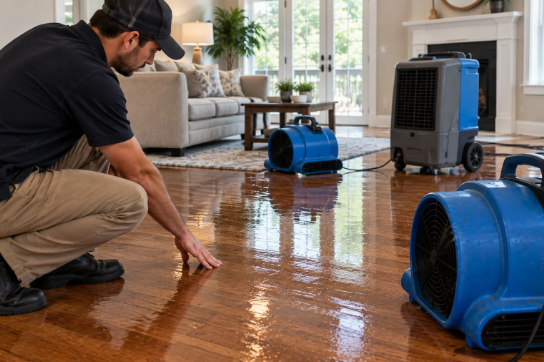
A floor can look dry even while moisture remains beneath baseboards, beneath the flooring, inside the drywall, or within the insulation. Proper drying involves more than opening windows or aiming a fan at a wet spot. When electrical conditions are safe, controlled airflow and dehumidification can help remove moisture from materials and indoor air.
Check adjacent rooms and the areas below the water source. Watch for swollen trim, lifting floors, soft drywall, discoloration, and musty odors. Restoration professionals may use moisture meters and other inspection tools to identify damp materials that are not obvious from the surface.
Watch for Mold and Indoor Air Concerns
Damp building materials can support mold growth, so drying should begin as soon as the area is safe to enter. Musty odors, dark spotting, bubbling paint, recurring condensation, and warped trim can indicate an ongoing moisture problem. The EPA guidance for flooded homes advises homeowners to address standing water, wet materials, cleaning, and mold-related concerns carefully after flooding.
Prepare for the Insurance Conversation
- Locate your policy information and claim contact number.
- Ask what emergency mitigation steps should be documented or approved.
- Keep photos, videos, invoices, receipts, and written notes together.
- Request a written scope before non-emergency reconstruction begins.
- Keep damaged items until the insurer advises otherwise, when safe and practical.
Coverage can depend on the policy language, the cause of loss, maintenance history, and whether water originated inside or outside the property. Your insurer can explain the details that apply to your claim.
A Simple 24-Hour Action Plan
- First hour: Protect people, avoid electrical hazards, and, if safe, stop the water source.
- Hours two through six: Document damage, contact needed professionals, and move safe-to-handle valuables.
- Hours six through twelve: Begin controlled water removal and drying, then organize insurance records.
- Hours twelve through twenty-four: Check for odors, swelling, hidden moisture, contamination, and conditions that require professional help.
Conclusion
Water damage is easier to manage when each decision follows a clear order. Keep people safe, stop the source, document the scene, treat questionable water carefully, and begin proper drying without delay. When the damage is widespread, contaminated, electrically unsafe, or difficult to assess, professional help can identify moisture and material damage that a surface-level cleanup may miss.