How to Dig Trenches While Minimizing Landscape Damage
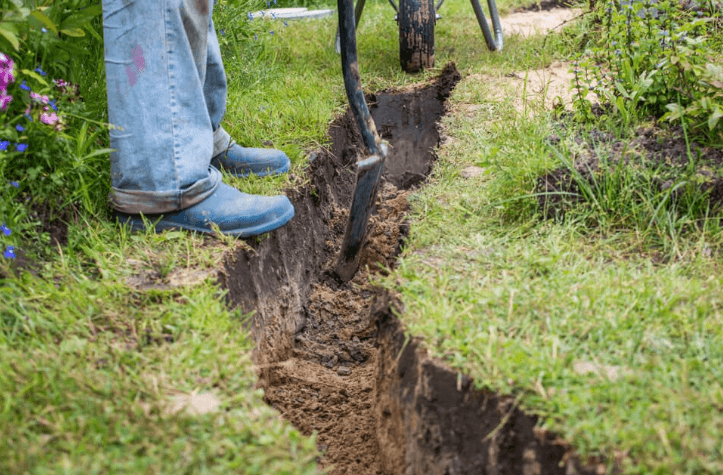
Trenching is often necessary when installing underground utilities, drainage lines, conduits, or other buried infrastructure. The challenge is that excavation can affect lawns, gardens, pathways, trees, and other established features. Without a clear plan, a relatively narrow underground project can result in a much larger area requiring restoration.
When preparing to dig trenches across a developed property, protecting the surrounding landscape should be part of the plan from the beginning. Thoughtful route selection, controlled excavation, organized soil handling, and careful restoration can significantly reduce unnecessary surface disturbance.
Survey the Landscape Before Excavation
Start by examining the entire proposed work area rather than focusing only on the points where the underground installation begins and ends.
Identify lawns, flower beds, shrubs, mature trees, fences, walkways, patios, retaining walls, and other features along the possible route. Consider which areas would be difficult to restore if disturbed.
This initial survey can reveal opportunities to move the trench slightly and avoid sensitive sections.
Look for Practical Access Routes
The excavation route is only one part of the work area. Equipment and workers also need access.
A trench positioned conveniently on paper may require machinery to cross landscaped sections repeatedly. Planning equipment movement beforehand can reduce soil compaction, lawn damage, and disruption around gardens.
Where space is limited, the sequence of excavation can also become important.
Protect Established Trees and Plants
Trees create particular challenges because their root systems extend underground beyond the visible trunk.
Large roots may cross the proposed trench route, especially near mature trees. Encountering them unexpectedly can slow excavation and require adjustments.
When possible, trench routes should account for established vegetation before digging starts.
Consider More Than Visible Growth
Shrubs and garden plants may also have extensive root systems.
Even when vegetation can be replaced, unnecessary disturbance increases restoration work. Keeping excavation within a controlled corridor helps preserve nearby plants and reduces the amount of exposed soil.
Careful route planning is often more effective than trying to repair avoidable landscape damage afterward.
Identify Existing Underground Infrastructure
Protecting the landscape is important, but underground conditions must also guide the excavation.
Buried electrical lines, water pipes, communication infrastructure, drainage components, and other utilities may affect where workers can dig trenches. Existing underground infrastructure should be properly identified before excavation begins.
If the planned path conflicts with buried infrastructure, adjusting the route before digging is preferable to changing direction halfway through the project.
Keep Trench Dimensions Controlled
Excess excavation creates excess restoration.
A trench should provide enough room for the intended underground installation without becoming unnecessarily wide. Removing additional soil increases the disturbed surface area and creates more material that needs temporary storage.
Accurate planning helps keep the excavation focused.
Measure Instead of Estimating
Trench dimensions can become inconsistent when excavation relies entirely on visual judgment.
Regular measurements help maintain the intended width and depth, particularly where ground elevation changes. Keeping dimensions consistent can also make installation and backfilling more predictable.
A clearly marked route provides another useful reference throughout the work.
Organize Excavated Soil From the Start
Where soil is placed during excavation can have a major effect on the surrounding landscape.
Large piles left directly on healthy grass or garden areas can damage vegetation. Poorly positioned soil can also block pathways, interfere with drainage, or restrict equipment movement.
Before workers dig trenches, identify suitable temporary locations for excavated material.
Separate Different Materials
The upper layer of soil may be useful during final restoration, particularly in lawn and garden areas.
Keeping suitable surface material separate from rocks, roots, gravel, or deeper excavated soil can make restoration easier. Debris and unsuitable material should not automatically be mixed back into reusable soil.
Good organization during excavation often saves work during the finishing stages.
Pay Attention to Weather Conditions
Wet weather can increase landscape damage considerably.
Equipment traveling across saturated ground may leave ruts or compact soft soil. Excavated material can become difficult to manage, and water may collect inside an open trench.
Checking ground conditions before excavation can help determine whether the property is suitable for the planned work.
Dryer conditions may allow cleaner excavation and reduce the amount of surrounding surface repair required afterward.
Backfill With Settlement in Mind
Once the underground installation is complete, the trench should be closed carefully.
Returning soil without considering settlement can leave a depression after rainfall. A sunken strip through a lawn is not only noticeable but may also collect water.
Appropriate backfill placement and compaction help improve long-term stability.
See also: Business Acquisition Financing Canada: Funding a Successful Business Purchase
Maintain the Existing Grade
Final ground elevation is particularly important on landscaped properties.
The restored surface should blend with surrounding areas instead of creating an obvious ridge or depression. Maintaining suitable grading also helps preserve existing drainage patterns.
Water should continue moving appropriately rather than collecting along the former trench route.
Restore Each Surface Appropriately
Different landscape areas require different finishing methods.
Lawns may need suitable surface soil and reseeding. Garden areas may require careful replacement of soil and vegetation. Gravel sections should be leveled to match surrounding surfaces.
The objective is not simply to hide evidence of excavation. Restoration should create a stable surface that remains functional after weather and regular property use.
Monitor the Area After Completion
Even carefully restored ground can experience minor settlement.
Inspecting the former trench route after rainfall can reveal low areas, drainage changes, or surface movement. Early correction is generally easier than waiting until the issue becomes more noticeable.
Conclusion
Landscape protection begins before excavation, not after it. Route selection, equipment access, underground infrastructure, trench dimensions, soil placement, weather, and restoration should all be considered as connected parts of the project.
When workers dig trenches with the surrounding property in mind, they can reduce unnecessary lawn and garden disturbance while still creating the required underground route. Controlled excavation, organized backfilling, accurate grading, and careful restoration ultimately help preserve both the function and appearance of the property.