Repair, Replace, or Plan in Stages: A Utah Homeowner’s Guide to Aging Windows
Where to Start Before Replacing Windows
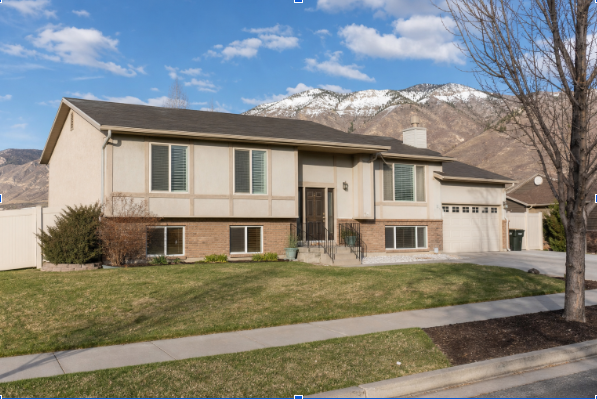
Utah homes can experience cold winter conditions, intense sunlight, dry air, wind, and large temperature swings. Those conditions can expose weaknesses in older windows over time. Before committing to a large project, inspect every opening and make notes on the glass, frame, sash, locks, screens, caulk, trim, and nearby wall surfaces. If you are weighing your options, it may be helpful to consider new windows for your Utah home after identifying the units that are causing the greatest comfort, moisture, or operating problems.
Create a room-by-room list rather than relying on a general impression that all windows are “old.” Give each window a practical priority level:
- High priority: Broken glass, water entry, soft or rotted wood, severe drafts, or a window that cannot be opened, closed, or locked safely.
- Medium priority: Fogging between panes, worn hardware, noticeable cold spots, or recurring condensation concerns.
- Low priority: Cosmetic wear, faded finishes, or minor issues in windows that still operate and seal reasonably well.
Signs a Window May Need Repair or Replacement
A window problem is not always a replacement problem. Peeling caulk, a torn screen, loose hardware, or worn weatherstripping may be repairable. More serious signs include cracked glass, decay in the frame or sill, recurring water stains, a sash that will not stay open, or a window that no longer latches securely.
Look closely at condensation. Moisture on the room-side surface of glass can be related to indoor humidity and cold glass. Moisture trapped between panes, however, commonly indicates that the insulating glass unit has lost its seal. The distinction matters because indoor condensation may call for ventilation or humidity changes, while between-pane fogging often requires glass-unit repair or replacement.
See also: Building a Mental Wellness Plan for Illinois Life
When Repair Makes More Sense
Repair can be a smart choice when the window frame is structurally sound, and the problem is limited. Common repairs include new weatherstripping, fresh exterior caulk, replacement locks or balances, screen repair, sash adjustments, and replacing an insulated glass unit. These updates can improve operation and reduce obvious air movement without changing the entire window assembly.
Compare the cost of the repair with the window’s overall condition. A targeted repair is more attractive when it solves the real problem and leaves a dependable window behind. If a window has repeated failures, widespread rot, damaged framing, or unavailable parts, putting more money into repairs may only delay a larger decision.
When Full Replacement Is the Better Choice
Full replacement may be the better path when damage extends beyond the glass or moving sash. Deteriorated frames, compromised sills, recurring leaks, unsafe operation, or hidden damage around the opening deserve a closer evaluation. Replacement can also make sense when several windows of the same age are failing in similar ways.
Energy savings are one consideration, but they should not be the only reason to replace windows. Homeowners may also want better comfort near exterior walls, easier cleaning, smoother operation, improved security, less outside noise, or lower maintenance. The right decision depends on the home’s condition and the goals for each room.
How to Plan a Phased Replacement
A phased project can help Utah homeowners spread out costs without ignoring urgent problems. Start with windows that leak, show signs of decay, have broken glass, or pose a safety concern. Then group future work by room, exterior elevation, or matching style so the finished home still looks intentional.
- Inspect and rank every window by condition and urgency.
- Replace damaged or unsafe openings first.
- Group nearby windows or similar designs into later phases.
- Keep frame color, grille pattern, hardware finish, and sightlines consistent.
- Save product information, measurements, and warranty records for future orders.
- Reassess the plan after each phase, especially if hidden damage is found.
Completing the project at once may be simpler when many windows need attention. One larger installation can provide a uniform appearance and reduce the need for repeated scheduling, site preparation, and cleanup. A staged approach is often more practical when only a few windows are in poor condition.
Window Ratings and Features to Compare
Ask to see the National Fenestration Rating Council label for the exact window configuration being quoted. U-factor indicates how well a window insulates, with lower numbers indicating greater resistance to heat transfer. Solar heat gain coefficient, or SHGC, describes how much solar heat passes through the window. Air leakage and visible transmittance can also help you compare products.
Because Utah conditions vary by elevation, exposure, and season, product selection should fit the home rather than follow a one-size-fits-all rule. The window guidance for different climate zones explains how U-factor, SHGC, and NFRC labels can help shoppers compare performance. Frame material, low-emissivity glass coatings, spacer systems, and installation quality all affect the finished result.
Choosing Window Styles for Each Room
- Double-hung windows: A familiar choice for traditional homes and flexible ventilation.
- Sliding windows: Often practical for wide openings and areas where an outward-opening sash would interfere with a walkway or patio.
- Casement windows: Useful where strong ventilation and a tight-closing sash are priorities.
- Awning windows: Hinged at the top and useful for ventilation in spaces such as bathrooms or basements.
- Picture windows: Designed for daylight and views, but they do not open for ventilation.
- Bay and bow windows: Can add depth, seating space, and a more dramatic focal point.
Consider cleaning access, furniture placement, privacy, ventilation, and emergency escape needs before changing styles. Bedrooms may have additional code requirements for emergency escape openings, so verify local requirements before selecting a smaller or non-operable design.
How to Compare Window Quotes
A useful quote should describe the project clearly rather than list a single unexplained total. Review whether it identifies the window count, sizes, operating styles, frame material, glass package, removal and disposal, trim work, damaged-sill repairs, permit responsibility, warranty coverage, estimated timing, payment terms, and change-order procedures.
Ask whether the proposal is for insert replacement or full-frame replacement. An insert retains much of the existing frame, while a full-frame approach removes more of the old assembly and can allow closer inspection of the opening.
What to Expect During Installation
Professional installation generally includes protecting nearby floors and furnishings, removing the old unit, inspecting the opening, preparing the sill, setting and fastening the new window, sealing gaps, completing trim work, and cleaning the area. Good installation matters because even a well-rated window can underperform if the opening is not properly prepared and sealed.
Before the crew leaves, test every completed window. Confirm that it opens, closes, locks, and latches smoothly. Check for damaged trim, uneven sashes, visible gaps, missing caulk, scratched glass, or screens that do not fit properly. Document concerns promptly so they can be addressed while the project details are fresh.
Conclusion
The best window plan begins with a careful assessment, not a sales deadline. By identifying the most urgent problems, comparing repair and replacement options, and documenting a phased strategy when needed, Utah homeowners can make decisions that support comfort, durability, appearance, and long-term value.