A Practical Guide to Choosing, Planning, Checking, and Caring for Chain Link Fencing
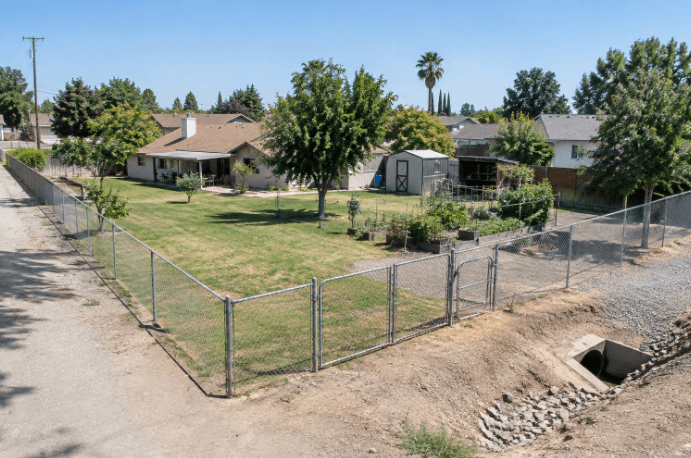
Chain link fencing remains a practical choice when a property needs clear boundaries, dependable containment, visibility, and airflow. It can work well around backyards, rental homes, gardens, play areas, storage spaces, and work sites. Homeowners considering a chain link fence Fresno project should begin with how the space will be used every day, rather than choosing a material based on appearance alone.
A well-planned fence is more than mesh stretched between posts. Gate placement, drainage, property lines, access needs, and routine maintenance all affect whether the finished fence remains useful over time. Starting with a clear plan can help avoid a gate that drags, a fence line that interrupts drainage, or an opening that is too narrow for equipment.
Why Chain Link Fencing Still Makes Sense
Unlike a solid wood or vinyl fence, a chain-link fence allows light and air to pass through the enclosure. That openness can be useful where property owners want to see children, pets, landscaping, vehicles, or activity on the other side of the fence. It also makes chain link a sensible option for side yards, dog runs, utility areas, commercial storage spaces, and boundaries where a solid visual barrier is not the priority.
Open fencing does not have to remain completely exposed. Privacy slats, screening, shade cloth, or landscaping can reduce views where needed. Before adding these features, consider wind exposure, cleaning needs, and whether the added material could place more strain on the fence during storms.
Start With The Property
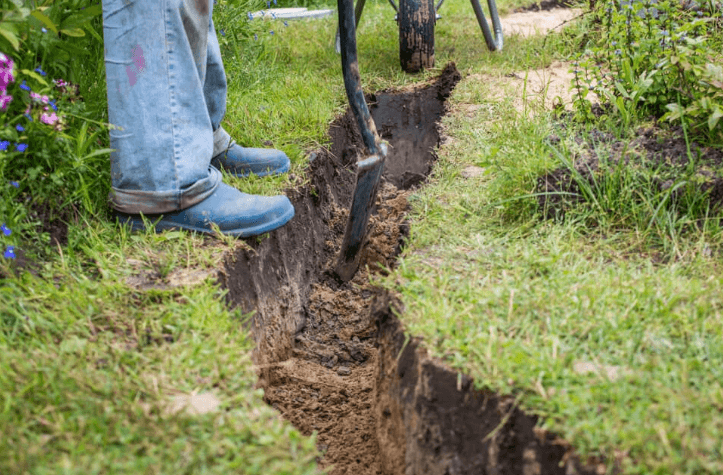
Walk the intended fence line before choosing a height, mesh style, or gate. Look closely at slopes, low spots, drainage routes, trees, roots, concrete edges, and hard ground. These conditions can affect post placement, fence transitions, digging requirements, and the clearance beneath gates.
A basic site checklist should include:
- A survey or another reliable way to identify property boundaries
- The desired fence height and purpose for each section
- Locations for pedestrian, vehicle, and equipment gates
- Nearby underground utilities and overhead obstructions
- Drainage paths, irrigation equipment, and low areas
- Access needs for pets, children, vehicles, trash bins, or lawn equipment
Measure straight runs, corners, and every opening separately. A sketch with dimensions is often more useful than a single overall yard measurement because it shows where terminal posts, corners, gates, and changes in elevation may be needed.
Choose The Right Fence Details
The details of a chain link system influence its appearance, strength, and day-to-day function. Smaller mesh openings may be useful for containing smaller pets or protecting garden areas. Fence height should match the property’s intended use while also fitting applicable local requirements. Galvanized and coated finishes offer different appearances, and a consistent framework of posts, rails, fittings, and ties helps keep the fence aligned.
Corner posts, end posts, and gate posts deserve special attention because they carry more load than line posts. Privacy additions should also be considered during planning, not treated as an afterthought. A fence built for open airflow may need a different approach if heavy screening is expected later.
Plan Gates And Access
A fence can be properly installed and still be frustrating if its gates do not fit how the property is used. Single gates are often appropriate for access to people, pets, and trash bins. Double gates can provide a wider opening for vehicles, trailers, construction materials, or landscaping equipment.
Think through the swing direction, latch placement, lock access, ground clearance, and the space required to fully open the gate. For example, a narrow backyard gate may be convenient for walking through, but it may not allow a riding mower or utility trailer to pass. Planning a wider access point before installation is generally simpler than altering a completed fence later.
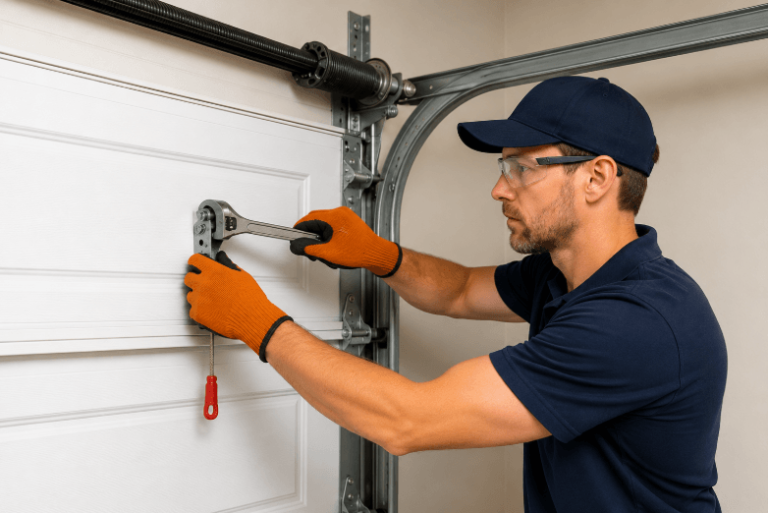
Gates also need careful maintenance and safe operation. Recent gate safety updates for the 2027 I-Codes reflect the importance of properly installed, maintained, and protected moving gate systems. Keep gates free of obstructions, inspect hardware regularly, and address sagging or binding before it worsens.
Check Safety And Local Rules
Fence planning should account for more than style. Requirements may apply to pool barriers, corner lots, street-facing fences, driveway sight lines, shared property lines, homeowners’ associations, and commercial or public-facing properties. Confirm the rules that apply to the specific address before ordering materials or setting posts.
Utility locations should be marked before digging begins. It is also wise to discuss a shared boundary with the neighboring owner when a fence will sit near a property line. Gates should not open into a sidewalk, street, or other area where they could obstruct needed access.
Use A Simple Installation Plan
- Define the primary purpose of the fence.
- Confirm the boundary and measure each fence run.
- Choose the height, mesh, finish, framework, and gate style.
- Review local requirements and arrange utility marking.
- Compare written estimates and listed material details.
- Confirm work-area access and any removal or disposal needs.
- Inspect completed corners, gates, latches, rails, and fence tension.
When comparing estimates, ask whether the scope includes old-fence removal, disposal, posts, rails, gates, hardware, cleanup, and permit-related work when required. Written details make it easier to compare proposals rather than focusing only on the bottom-line price.
Follow A Seasonal Care Routine
A brief inspection each season can reveal small issues before they affect a larger section of the fence.
- Spring: Check for loose mesh, leaning posts, washouts, and storm damage.
- Summer: Remove weeds, vines, and dry plant growth from the fence line.
- Fall: Clear leaves and debris from gates, hinges, drains, and low areas.
- Winter: Watch for standing water, fallen branches, and damage after severe weather.
Common concerns include bent rails, unstable posts, torn fabric, loose ties, and gaps along the bottom. A practical guide to repairing a chain link fence also identifies damaged rails, posts, and mesh as issues that should be evaluated before they compromise the enclosure.
See also: Business Acquisition Financing Canada: Funding a Successful Business Purchase
Spot Repairs Before They Grow
Pay attention to mesh that sags between posts, posts that move when pushed, rust near ground level, sharp wire ends, dragging gates, broken latches, bent rails, and large gaps beneath the fence. Light cleaning and vegetation removal may be manageable tasks, but major tension work, post replacement, gate alignment, or property-line questions often require experienced help.
Common Questions
How Often Should A Chain Link Fence Be Checked?
Perform a quick visual inspection each season and after strong winds, heavy rain, falling branches, or impacts from equipment or vehicles.
Can Chain Link Fencing Provide Privacy?
Yes. Privacy slats, screens, climbing plants, and landscaping can reduce visibility, although each option changes airflow, cleaning needs, and maintenance demands.
Should A Gate Open Inward Or Outward?
The answer depends on clearance, public walkways, driveway space, daily use, and applicable requirements. The gate should not block a sidewalk, street, or essential access route.
When Should A Fence Be Repaired Or Replaced?
Repair may make sense when damage is limited and the surrounding framework remains sound. Replacement becomes worth considering when multiple posts, rails, gates, or long sections have deteriorated.
Final Takeaway
A useful chain link fence begins with the site’s real needs. Careful measurements, sensible gate placement, safe installation, and regular inspections can help the fence support daily use for years. The best design is not necessarily the most decorative one. It is the one that fits the property, provides the needed access, and remains straightforward to maintain.