How to Create a Relaxing Outdoor Retreat at Home
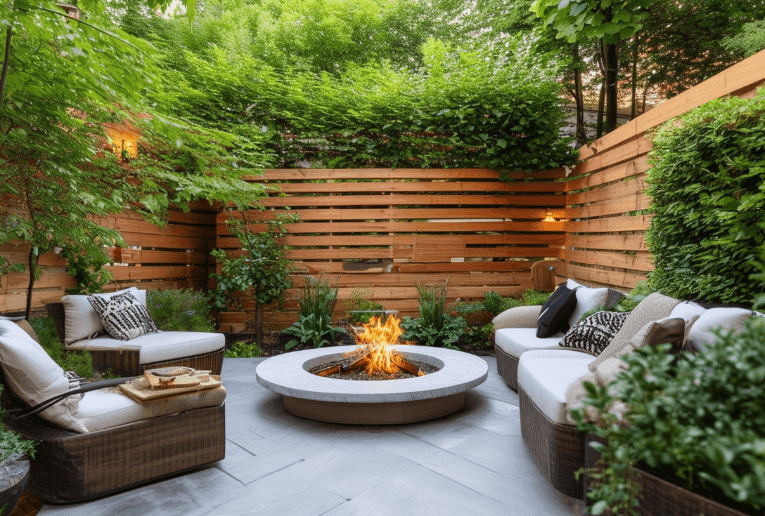
A garden can be much more than somewhere to maintain plants or spend an occasional summer afternoon. With thoughtful planning, even a relatively simple outdoor area can become a comfortable retreat for relaxing, entertaining, and spending more time away from screens and everyday distractions.
Creating that atmosphere does not necessarily require rebuilding the entire garden. The most successful outdoor spaces often combine a few carefully selected features with comfortable seating, privacy, natural materials, and practical ways to use the area throughout different seasons.
Here are some ideas for turning an ordinary garden into a relaxing outdoor retreat.
Start With a Clear Purpose
Before buying furniture or changing the landscaping, consider how you actually want to use the garden.
Some people want a quiet place for reading and relaxing. Others prefer somewhere to entertain friends and family. You might want an outdoor dining area, a private wellness space, or a combination of several functions.
Knowing the primary purpose of the garden makes other decisions easier. It can help determine where seating should be positioned, how much privacy is needed, and which larger features deserve the available space.
A smaller garden may benefit from one clearly defined relaxation area, while a larger property might have separate zones for dining, entertaining, and quieter activities.
Create Privacy Without Closing Everything Off
Privacy can make an enormous difference to how relaxing an outdoor space feels.
Fencing is an obvious solution, but it is not the only option. Trees, hedges, climbing plants, screens, pergolas, and strategically positioned structures can provide separation while maintaining a softer appearance.
Consider where privacy is actually required. You may only need screening around a seating or bathing area rather than around the entire garden.
Plants can be particularly effective because they add texture and greenery while creating a more secluded atmosphere. The right approach will depend on available space, maintenance requirements, and how quickly you want the screening to become established.
Make Relaxation the Main Feature
A retreat should have somewhere that encourages you to stop and spend time outdoors.
For some gardens, comfortable chairs or an outdoor sofa may be enough. Other homeowners may want to create a more dedicated wellness area.
One option is to incorporate Wood Fired Hot tubs into the garden design. Their combination of heated outdoor bathing and traditional wood-fired heating can work particularly well in spaces designed around relaxation and natural materials.
Positioning is important. A hot tub or similar feature can feel much more inviting when surrounded by thoughtful landscaping, privacy screening, suitable access, and an attractive view.
Rather than treating it as an isolated object, consider how it relates to the rest of the garden.
Incorporate Natural Materials
Natural materials can help an outdoor retreat feel connected to its surroundings.
Timber decking, stone paving, gravel paths, wooden screens, and planting can create a softer atmosphere than an area dominated by concrete or artificial surfaces.
You do not need to use the same material everywhere. Combining a few complementary textures can make the space more visually interesting.
For example, timber seating might work alongside stone paving and dense planting. Gravel can provide a practical surface for paths while helping different areas of the garden feel connected.
Consider maintenance when choosing materials. Some natural surfaces require periodic cleaning, sealing, or treatment, so make sure the choices suit the amount of upkeep you are willing to undertake.
Add Comfortable Seating
Good seating is essential if you want to spend more time outdoors.
Choose furniture based on how the area will actually be used. Upright dining chairs work well around a table but may not be ideal for long periods of relaxation. Deep chairs, loungers, benches with cushions, or outdoor sofas may be more appropriate for a retreat.
Positioning matters too. Think about sunlight at different times of day, prevailing winds, views, and proximity to other features.
A small side table can also make a seating area more practical, giving you somewhere for drinks, books, or other items.
Use Lighting to Change the Atmosphere
Outdoor lighting can transform a garden after sunset.
Bright floodlights are useful for security and practical tasks, but they are not always ideal for creating a relaxing atmosphere. Softer lighting can provide enough visibility while maintaining a calmer environment.
Path lights can help people move around safely, while subtle lighting around seating areas, plants, or architectural features can add depth.
Lanterns and other decorative lighting can also contribute to the atmosphere. The aim is usually to illuminate important areas without making the entire garden excessively bright.
See also: Selling Your Home in New Britain, CT: A Comprehensive Guide for Homeowners
Think About Year-Round Use
Many gardens receive plenty of attention during summer and are largely ignored when temperatures fall.
If you want more use from an outdoor retreat, consider features that make it comfortable during cooler periods. Sheltered seating, blankets, wind protection, and appropriate heating can extend the time you spend outside.
A pergola or covered section can also provide some protection from changing weather, although the design should be appropriate for local conditions.
Planting can contribute to year-round appeal as well. Combining seasonal flowers with evergreen plants helps prevent the garden from feeling completely bare during winter.
Keep Practical Details in Mind
A relaxing garden still needs to function properly.
Think about access, drainage, storage, electrical requirements, water sources, and maintenance before installing major features. Planning these practical elements early can prevent them from becoming an inconvenience later.
Storage is particularly useful for cushions, gardening equipment, blankets, and outdoor accessories. Keeping these items nearby makes the space easier to use without allowing clutter to dominate the garden.
Paths should also be easy to navigate, especially if the retreat will regularly be used after dark.
Add Personal Details
The final stage is making the garden feel like your own space.
Plants you particularly enjoy, favourite colours, decorative pots, artwork suitable for outdoor use, cushions, and carefully selected accessories can give the area personality.
Try not to overcrowd it. A relaxing retreat usually benefits from some visual simplicity.
Choose details that contribute to the atmosphere rather than filling every available surface. A few meaningful or attractive features often have more impact than a large collection of unrelated decorations.
Create a Space You Will Actually Use
The best outdoor retreat is not necessarily the largest or most expensive. It is the one that fits naturally into your lifestyle.
Start by deciding how you want to spend time outside, then design the space around that purpose. Privacy, comfortable seating, natural materials, thoughtful lighting, and one or two distinctive relaxation features can completely change how a garden feels.
By balancing comfort with practical considerations, an ordinary outdoor area can become somewhere you genuinely look forward to using, whether that means enjoying a quiet morning, spending an evening outside, or simply having a peaceful place to escape the normal routine.