Essential Equipment for Safe and Efficient Patient Transport
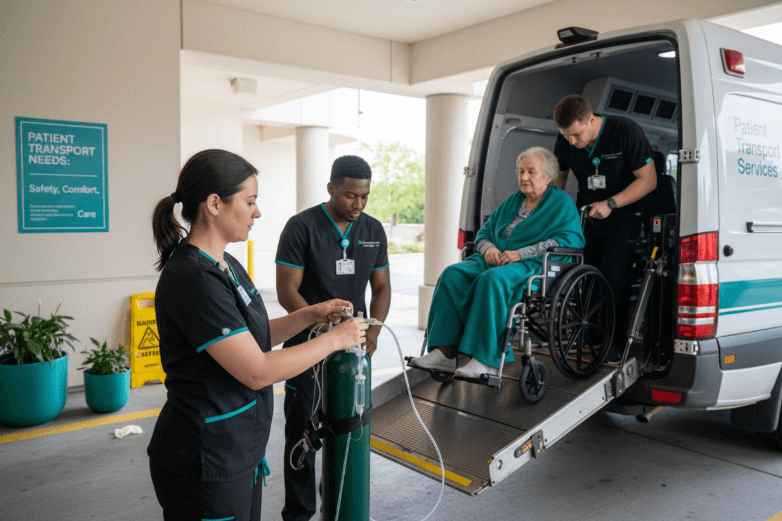
Patient transport is an essential part of healthcare. Every day, patients need to be moved between hospital departments, transferred to another medical facility, transported for treatment, or assisted during an emergency. While the medical care provided during these situations is naturally the main priority, having suitable equipment available can make patient movement more organised and manageable.
Different patients have different mobility requirements, which means healthcare providers need access to a range of transport solutions. Stretchers, transport chairs, restraints, and accessories all have specific purposes. Selecting appropriate equipment also requires considering the environment, frequency of use, patient needs, and the responsibilities of the medical team.
Understanding Patient Transport Needs
The first step in choosing transport equipment is understanding how it will be used. Someone who can sit upright but cannot comfortably walk a long distance may require a different solution from a patient who needs to remain lying down.
Healthcare organisations also operate in very different environments. A hospital may primarily need equipment for moving people between departments, while emergency medical teams need equipment capable of supporting patient movement in a variety of locations. Outside of acute emergency care, long-distance medical transfers require specialized arrangements to ensure patient safety over extended journeys. Facilities often coordinate with services that manage scheduled non-emergency patient transportation to assist individuals who need continuous medical supervision or specialized equipment while traveling between distant care centers.
Space can also affect equipment selection. Narrow corridors, doorways, lifts, and treatment areas may require equipment that can be manoeuvred efficiently.
By considering these factors before purchasing equipment, organisations can choose solutions that better reflect their everyday requirements.
The Role of Medical Stretchers
Stretchers are among the most important pieces of patient transport equipment. They provide a platform for moving patients who need to remain lying down or require additional support during transportation.
Modern medical stretchers are available in many configurations. Depending on the model and intended application, they may include adjustable positioning, side rails, restraints, wheels, braking systems, and mechanisms designed to assist with loading or movement.
Both manual and powered options are available. Manual stretchers rely more heavily on personnel during lifting and positioning, while powered models may provide assistance with some physical tasks.
Healthcare and emergency transport organisations looking for patient transport equipment can explore specialist suppliers such as Stretchers R Us, which offers stretchers, transport chairs, accessories, and related equipment for medical and EMS applications.
The most appropriate stretcher ultimately depends on how it will be used, so organisations should consider compatibility and operational requirements before making a decision.
Transport Chairs and Mobility
Not every patient requires a stretcher. Transport chairs can provide a practical alternative for people who are able to remain seated but need assistance moving from one location to another.
These chairs are commonly useful in healthcare environments where patients need to travel longer distances than they can comfortably walk. They may also be useful when navigating areas where a larger piece of equipment would be difficult to manoeuvre.
When selecting a transport chair, factors such as patient support, manoeuvrability, storage requirements, dimensions, and ease of operation should be considered.
The objective is not simply to move someone from one place to another. Equipment should be appropriate for the patient’s needs and used according to established procedures.
Do Not Overlook Accessories
The main piece of equipment receives most of the attention, but accessories are also important.
Patient restraints, straps, replacement components, and other compatible accessories can contribute to the proper operation of transport equipment. Organisations should ensure that required accessories are available, compatible, and maintained appropriately.
This is particularly important when equipment is used frequently. Small components can experience wear over time, and damaged or missing accessories may affect whether a piece of equipment is ready for use.
Keeping an organised inventory of essential components can make maintenance and replacement easier.
Regular Inspection and Maintenance
Patient transport equipment should be inspected routinely. Waiting until equipment is urgently needed to discover a problem can create unnecessary difficulties for healthcare personnel.
Inspection procedures may include checking wheels, brakes, frames, restraints, locking mechanisms, moving components, and other relevant parts. Powered equipment may require additional attention to batteries and electrical systems.
Teams should follow applicable manufacturer guidance and organisational maintenance procedures. Equipment showing signs of damage or malfunction should be evaluated before being returned to normal use.
Keeping maintenance records can also help organisations monitor recurring problems and understand when equipment may need repair or replacement.
Staff Familiarity Matters
Even well-designed equipment needs to be used correctly. Staff members responsible for patient transportation should be familiar with the equipment available to them.
Training can cover basic operation, positioning, loading procedures, restraints, adjustments, and any relevant safety considerations. Personnel should also know what to do when equipment appears damaged or does not operate as expected.
Introducing a new model may require additional training, even if staff members have extensive experience with similar equipment. Controls and operating procedures can differ between manufacturers and models.
Familiarity can make routine patient transfers more efficient and help teams use equipment as intended.
See also: Top AI Personal Health Assistant Development Companies Shaping Digital Healthcare
Consider the Physical Environment
Healthcare facilities should also consider the routes along which patients are commonly moved.
Door widths, lifts, ramps, corridors, treatment rooms, entrances, and storage areas can all influence which equipment is practical. Equipment that works well in an open space may be more difficult to manoeuvre in a restricted environment.
Storage deserves consideration too. Stretchers, chairs, and accessories need somewhere appropriate to remain when they are not being used.
Assessing the physical environment before purchasing new equipment can help avoid compatibility and storage problems later.
Planning for Different Situations
Patient transport needs can change quickly. Healthcare organisations may encounter patients with different mobility levels, body sizes, medical requirements, and transportation needs.
Maintaining access to appropriate equipment gives teams greater flexibility when responding to these situations. Long-distance medical transfers often require specialized coordination and specialized transport options to ensure continuous patient safety and comfort throughout the journey. Families and care coordinators looking into long-distance options can read more from ACC Medlink to better understand how dedicated medical transport vehicles support long-range transfers. It can also reduce the temptation to use equipment for a purpose for which it was not designed.
Organisations should periodically review their transport requirements, particularly when services expand or patient needs change.
Building a Reliable Patient Transport System
Effective patient transportation depends on more than a single stretcher or chair. It requires suitable equipment, compatible accessories, regular maintenance, appropriate storage, and personnel who understand how to use what is available.
Healthcare providers should evaluate equipment according to real operational requirements rather than focusing solely on price or individual features. Durability, compatibility, manoeuvrability, maintenance, and intended use all deserve consideration.
With thoughtful planning and appropriate equipment, healthcare organisations can build a patient transport system that supports their teams and helps them manage transfers efficiently across a wide range of situations.