How to Plan a Low-Maintenance Pollinator Garden in Northern Virginia
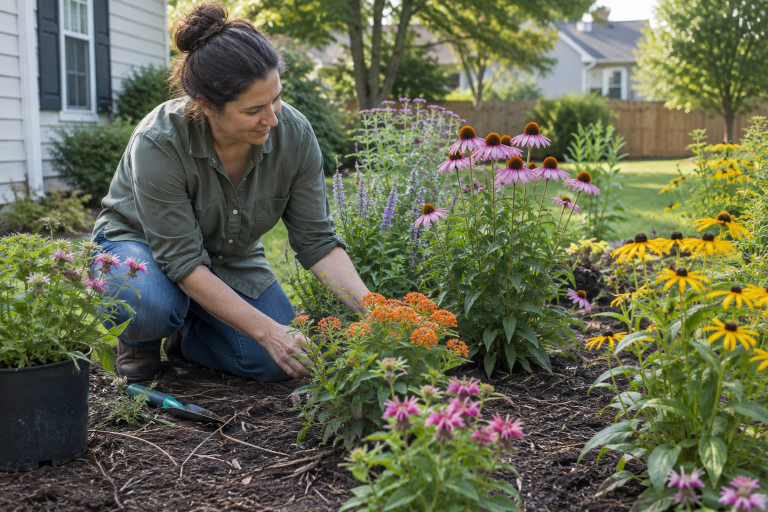
A pollinator garden in Fairfax or elsewhere in Northern Virginia can be colorful, orderly, and realistic to maintain. Rather than trying to turn the whole yard into a meadow, start with one sunny border, a foundation bed, or even a large container grouping. Visiting a local garden nursery can help you compare plant sizes, bloom periods, and growing requirements before bringing anything home. Northern Virginia gardens often combine compacted soil, summer heat, mature-tree shade, and quick changes in drainage from one part of the yard to another. A successful pollinator garden begins by working with those conditions. The goal is not a perfect display every day of the year. It is a layered planting that provides flowers, cover, and resting places without demanding constant watering, pruning, or replacement.
Why Pollinator Gardens Are Worth Planning
Flowering plants can supply nectar and pollen, while stems, leaf litter, bare soil, and shrubs offer places for insects to rest or shelter. A garden does not have to look unplanned to provide those benefits. Defined bed lines, repeated plant groups, a mown edge, and a limited color palette create a tidy framework around a more natural planting.
Choose the Right Location
Observe the proposed bed for a week before shopping. Note direct sun, standing water after rain, dry spots near foundations, wind exposure, and competition from tree roots. Full sun generally means at least six hours of direct light. Part-shade beds may be better suited to plants that tolerate morning sun or filtered light. In Northern Virginia, a site that looks sunny in early spring may become shaded after nearby trees leaf out.
Select Plants That Need Less Care
Choose plants for the site first and appearance second. Native plants can be especially useful because they support local food webs, but native does not mean maintenance-free. A plant still needs appropriate light, soil, and space. Virginia Cooperative Extension recommends designing around mature size, site conditions, and bloom times when incorporating native plants into the landscape. Build the plant list around several jobs: early flowers for spring activity, dependable summer bloomers, late flowers for fall, host plants for caterpillars, low growers to cover open soil, and plants with seed heads that can remain through winter. Use fewer varieties in larger groups rather than one of everything.
Plan for a Long Bloom Season
One dramatic flush of flowers is attractive, but it leaves long gaps when blooms fade. Plan the bed in seasonal layers:
- Spring: Include early perennials, flowering shrubs, or bulbs where suitable.
- Summer: Combine several flower shapes and heights for steady color.
- Fall: Add late-blooming plants and leave selected seed heads standing after frost.
Prepare Soil Carefully
Start with a basic soil test and a drainage check. Remove invasive plants and persistent weeds, then loosen only compacted areas rather than pulverizing the entire bed. Add compost when the soil needs improved structure or organic matter, not automatically. After planting, spread a light mulch layer, but keep mulch away from plant crowns and tree trunks.
Use a Simple Layered Layout
Plant in groups of three, five, or more when space allows. Repeated drifts are easier for pollinators to locate and easier for gardeners to recognize when weeding. Place taller flowers, grasses, or compact shrubs at the back; medium-height perennials through the middle; and low flowers or ground covers at the front. Leave enough room for paths and for each plant’s mature width.
Add Water, Shelter, and Nesting Space
Flowers are only part of the habitat. A shallow water dish with stones gives insects a place to drink and land, provided it is refreshed regularly. Flat stones can create warm resting spots, while a small patch of open, well-drained soil may be used by ground-nesting bees. Fairfax County also encourages gardeners when they create a pollinator garden to use native flowering plants, plant in groups, and provide bloom across the growing season.
Reduce Routine Maintenance
Low-maintenance does not mean no-maintenance, particularly during the first growing season. Water new plants thoroughly as their roots establish, then shift to deeper, less frequent watering as the plant’s needs allow. Group plants with similar moisture needs, pull weeds while they are small, and use drip irrigation or a soaker hose for larger beds. Prune only for plant health, safety, or shape.
Avoid Common Mistakes
- Choosing plants only because they look good in bloom.
- Ignoring mature size and creating overcrowding.
- Adding excessive fertilizer, which can lead to weak or overly leafy growth.
- Removing every leaf and stem in fall, leaving little winter structure.
- Using broad-spectrum pesticides without identifying the actual problem.
- Expecting a new perennial garden to look full immediately.
Seasonal Care Checklist
Spring
- Remove damaged or diseased growth and pull invasive weeds early.
- Check mulch depth, pathways, and bed edges.
Summer
- Watch new plants for drought stress and refill shallow water sources.
- Deadhead only when additional blooms are desired.
Fall and Winter
- Leave some sturdy stems and seed heads in place.
- Remove diseased material and make notes on plants that performed well.
Common Questions About Pollinator Gardens
How much space is needed?
Even a narrow border or a cluster of containers can provide useful flowers. Larger beds allow more diversity, but a small planting with several bloom periods can still make a meaningful addition to a yard or balcony.
Are native plants required?
Native plants are often strong choices, especially for supporting local insects. A practical garden can also include well-behaved, noninvasive plants that suit the site and do not crowd out the rest of the planting.
How can the garden look neat?
Use clear borders, repeated drifts, intentional paths, and a few dependable structural plants. A tidy design helps neighbors and visitors see that the garden is cared for.
Conclusion
A manageable pollinator garden for Northern Virginia begins with the right plant in the right place. Start modestly by observing the amount of sunlight, soil conditions, drainage, moisture, and available space before choosing plants. Plan for blooms through the seasons by combining early, summer, and late-flowering plants, and include water, shelter, and a little winter structure for pollinators and other wildlife. Grouping a few reliable plants can also make the garden easier to maintain while giving the space a more organized appearance. Leave selected stems, seed heads, and leaf litter in place during winter when practical, rather than clearing the entire bed. Regular observation can help you identify which plants perform well and where adjustments are needed. A well-designed bed can support helpful insects while giving you a garden that fits your schedule, property, and long-term maintenance routine.