Smart Decorating Ideas for Making a Small Living Room Feel Spacious
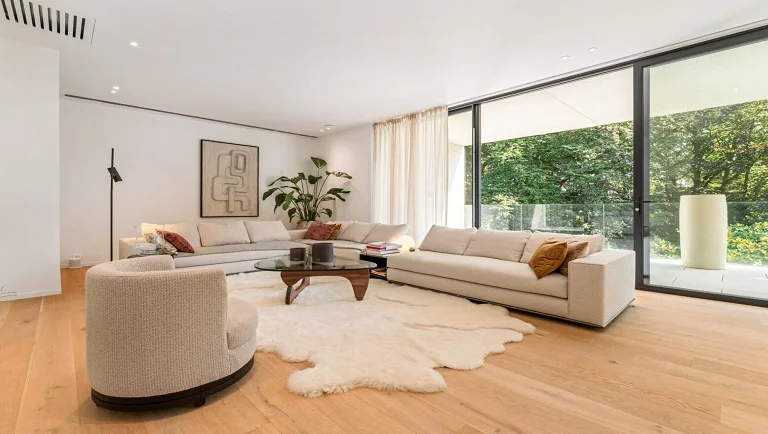
A small living room can be comfortable, stylish, and practical when it is arranged thoughtfully. Limited space does not mean homeowners have to give up attractive furniture, useful storage, or personal decorations. The key is to make careful choices that allow the room to feel open while still meeting everyday needs.
Many small rooms become crowded because furniture is too large, storage is poorly planned, or decorative items take up too much space. With a few simple changes, homeowners can improve movement, create visual balance, and make the room more enjoyable.
1. Begin With a Clear Furniture Plan
Before purchasing new furniture, measure the living room and identify the areas that need to remain open. Consider where people enter, where they walk, and how they use the room.
Large sofas may look attractive, but they can dominate a small space. A compact sofa with suitable seating may provide enough comfort without blocking important pathways.
Avoid placing every piece of furniture against the walls automatically. Sometimes a slightly different arrangement creates better balance. The goal is to leave enough space for comfortable movement while keeping seating practical.
A simple floor plan can help you test different arrangements before moving heavy furniture.
2. Use Light Colors to Create an Open Appearance
Color can influence how spacious a room appears. Light shades such as cream, soft white, pale gray, and gentle beige can reflect more light and create a calm background.
This does not mean every part of the room must be white. You can introduce color through cushions, rugs, artwork, curtains, and small decorative pieces.
Using similar tones on walls and larger furniture can reduce visual interruptions. A consistent color scheme helps the room feel connected instead of divided into many separate sections.
If you enjoy darker colors, consider using them in smaller details rather than covering every wall or choosing oversized dark furniture.
3. Choose Furniture With More Than One Purpose
Multifunctional furniture is especially useful in smaller homes. A storage ottoman can provide seating, a footrest, and a place to keep blankets or magazines.
A coffee table with drawers or shelves can hold everyday items without requiring an additional cabinet. A sofa bed may also be useful when guests occasionally stay overnight.
Before buying a multifunctional item, check whether it genuinely meets your needs. Some pieces may look clever but become inconvenient when used every day.
Choose furniture that is easy to operate and provides practical storage without making the room feel heavy.
4. Use Vertical Space for Storage
Small living rooms often have limited floor space, but their walls may offer additional storage opportunities.
Floating shelves can hold books, photographs, and small decorative objects. Wall mounted cabinets can provide storage while keeping the floor clear.
Tall and narrow storage units may also work better than wide cabinets in certain layouts. They use available wall height without occupying too much floor area.
Be careful not to cover every wall with shelves. Too many objects can create a crowded appearance. Keep some empty space so the room maintains a clean and balanced look.
5. Select the Right Size Rug
A rug can help define a seating area and make a living room feel more organized. However, choosing the wrong size may make the space look smaller or disconnected.
A rug that is too small can appear like an isolated decoration in the middle of the floor. A suitably sized rug can visually connect the sofa, chairs, and coffee table.
Measure the seating area before shopping. Make sure the rug leaves enough visible flooring around the edges and does not interfere with doors.
Simple patterns and colors often work well in smaller rooms because they create visual interest without overwhelming the space.
See also: Short-Form Video Marketing for Business Growth
6. Add Mirrors to Improve the Sense of Space
Mirrors can create the impression of additional depth. They reflect light and may make a narrow room appear brighter.
A large mirror placed on a suitable wall can become a decorative feature while also improving the room’s appearance. Smaller mirrors can be grouped together to create an interesting display.
Position mirrors where they reflect something attractive, such as a window, a plant, or a decorative feature. Avoid placing them where they reflect clutter or create uncomfortable glare.
A mirror should support the room’s overall design rather than become an unnecessary focal point.
7. Keep Window Areas Simple
Heavy curtains and crowded window areas can make a small living room feel darker. Lightweight curtains may allow more daylight to enter while still offering privacy.
If privacy is not a major concern, blinds can provide a clean appearance and allow more control over incoming light.
Keep window sills relatively clear. A few small plants or decorative objects can look attractive, but too many items may block daylight and make the area feel untidy.
Natural light can improve the atmosphere of a small room, so avoid covering windows more than necessary.
8. Create Storage for Everyday Clutter
Clutter is one of the biggest challenges in a small living room. Remote controls, charging cables, magazines, toys, and other everyday objects can quickly occupy valuable surfaces.
Give frequently used items a designated place. Decorative baskets can store blankets and magazines, while small organizers can keep electronic accessories together.
Use closed storage for items that do not need to remain visible. Open shelves are useful for selected decorations, but they can look messy when overloaded.
Spend a few minutes returning items to their proper places each day. Regular organization is easier than waiting until the room becomes completely cluttered.
9. Use Lighting to Make the Room Feel Comfortable
A single ceiling light may not provide the best atmosphere. Combine general lighting with floor lamps, table lamps, or wall lights.
A floor lamp placed near a reading chair can create a useful activity area. Small table lamps can provide softer illumination during the evening.
Choose fixtures that suit the room’s proportions. Oversized lamps may take up too much visual space, while very small fixtures may not provide enough light.
Good lighting can make a compact living room feel warm and inviting without requiring major changes.
10. Add Personality Without Overdecorating
A living room should reflect the people who use it. Personal photographs, artwork, plants, and meaningful objects can make a small space feel welcoming.
The important thing is to choose decorations carefully. Instead of displaying many unrelated objects, select a few items that work well together.
Indoor plants can add natural color and texture. Choose varieties that suit the available light and the amount of care you can provide.
A simple arrangement often looks more polished than a room filled with decorations that compete for attention.
Conclusion
A small living room can become a comfortable and attractive space through thoughtful planning. Suitable furniture, light colors, vertical storage, mirrors, and organized surfaces can all help improve its appearance.
You do not need to replace everything or spend a large amount of money. Begin by removing unnecessary clutter, adjusting the furniture arrangement, and improving the lighting.
With consistent attention to space and function, even a compact living room can feel open, stylish, and enjoyable.
For more practical decorating ideas and inspiration, visit Latest Decorator Advice.