Why Is My Air Conditioner Blowing Warm Air?
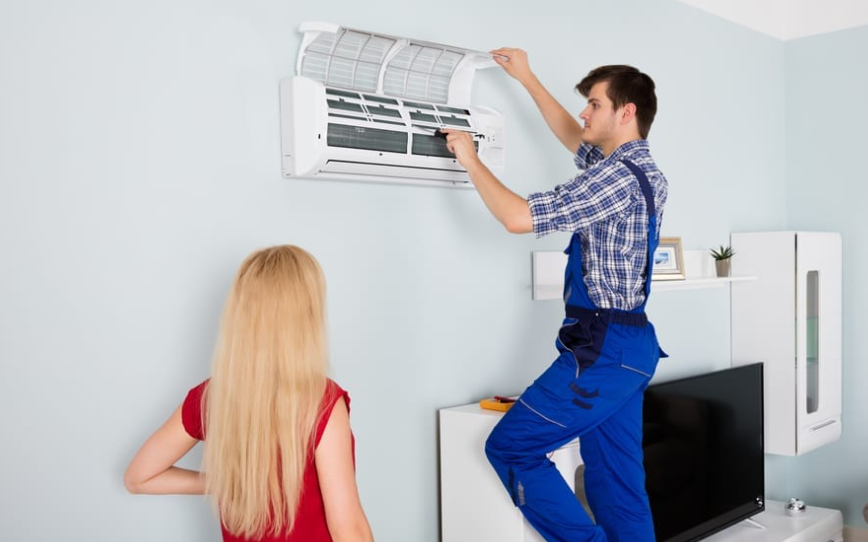
When the summer heat is at its peak, few things are more frustrating than discovering your air conditioner is blowing warm air instead of the cool relief you expect. This issue can quickly turn your home uncomfortable and leave you searching for answers. There are several reasons why your air conditioner might not be performing as it should, ranging from simple fixes to more complex mechanical problems. Understanding the potential causes can help you determine whether you can resolve the issue yourself or if you need to call in a professional. Let’s look at the most common reasons behind this problem and what you can do about it.
Common causes and solutions
Thermostat Settings and Power Issues
One of the first things to check when your air conditioner is blowing warm air is the thermostat. Sometimes, the thermostat may have been accidentally set to the wrong mode, such as “heat” instead of “cool,” or the temperature may be set too high. Double-check that your thermostat is set to “cool” and that the temperature is lower than the current room temperature. Additionally, ensure that the fan setting is on “auto” rather than “on,” as the latter can cause the fan to blow air even when the cooling cycle is not active, resulting in warm air circulating through your home. Power issues can also play a role. If the circuit breaker connected to your air conditioning unit has tripped, the system may not be receiving enough power to operate the compressor, which is responsible for cooling the air. Resetting the breaker or replacing blown fuses can sometimes resolve the issue. If the thermostat and power supply are both functioning correctly, but the problem persists, it may be time to investigate further.
Refrigerant Leaks and Low Levels
Refrigerant is the substance that absorbs heat from your home and releases it outside, allowing your air conditioner to cool the indoor air. If your system is low on refrigerant, it cannot effectively remove heat, resulting in warm air blowing from the vents. Low refrigerant levels are often caused by leaks in the system, which can develop over time due to wear and tear or physical damage to the refrigerant lines. Detecting a refrigerant leak is not always straightforward, as the lines are typically hidden from view. Signs of a leak may include hissing sounds, ice buildup on the evaporator coils, or a noticeable decrease in cooling performance. Addressing refrigerant issues requires the attention of a professional who can locate and repair the leak, then recharge the system to the correct level. Attempting to handle refrigerant yourself is not recommended, as it can be hazardous and is regulated by environmental laws. If you suspect a refrigerant problem, contacting an air conditioning repair service is the safest and most effective solution.
See also: Top Architectural Trends Shaping the Future of Home Design
Dirty or Clogged Air Filters
Air filters play a crucial role in maintaining the efficiency and performance of your air conditioning system. Over time, filters can become clogged with dust, dirt, and other debris, restricting airflow and causing the system to work harder than necessary. When airflow is limited, the evaporator coil may not receive enough air to cool, leading to warm air being circulated throughout your home. In some cases, a severely clogged filter can even cause the system to overheat and shut down. Regularly checking and replacing your air filters is a simple yet effective way to prevent this issue. Most manufacturers recommend changing filters every one to three months, depending on usage and the presence of pets or allergies in the household. If you notice reduced airflow or increased dust around your vents, it may be time to inspect your filters. Keeping them clean not only ensures better cooling performance but also improves indoor air quality and extends the lifespan of your air conditioning unit.
Outdoor Unit Problems
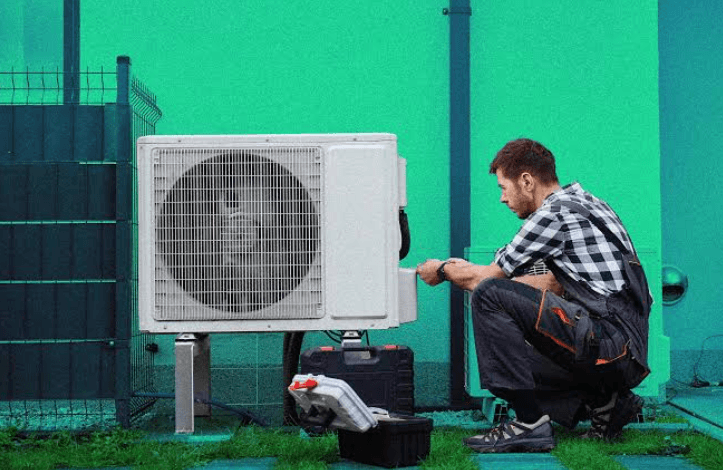
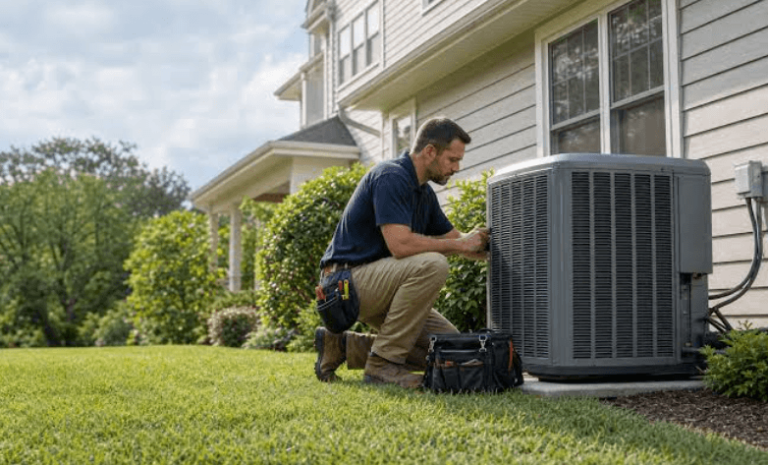
The outdoor unit, also known as the condenser, is responsible for releasing the heat absorbed from inside your home. If this unit is obstructed by debris such as leaves, grass, or dirt, it can’t dissipate heat effectively, causing the system to blow warm air. Regularly inspecting the area around your outdoor unit and keeping it clear of obstructions is essential for optimal performance. Additionally, mechanical issues such as a malfunctioning compressor or damaged condenser coils can also lead to inadequate cooling. The compressor is the heart of the air conditioning system, and if it fails, the entire cooling process is disrupted. Unusual noises, vibrations, or visible damage to the outdoor unit are signs that professional attention may be needed. Routine maintenance, including cleaning the coils and checking for signs of wear, can help prevent these problems and ensure your system operates efficiently throughout the cooling season.
Importance of Regular Maintenance
Routine maintenance is key to preventing many common air conditioning problems, including the issue of blowing warm air. Scheduling annual inspections and tune-ups with a qualified technician can help identify potential issues before they become major problems. During a maintenance visit, the technician will check refrigerant levels, clean coils, inspect electrical components, and ensure all parts are functioning correctly. This proactive approach not only helps maintain consistent cooling performance but also extends the lifespan of your system and can reduce energy costs. Neglecting regular maintenance increases the risk of unexpected breakdowns and costly repairs, especially during periods of heavy use. By investing in routine care, you can enjoy reliable comfort and peace of mind throughout the hottest months of the year. Staying proactive with seasonal inspections can help lower daily operational pressure on your cooling components. If you notice early indicators of system stress or performance drops, consulting a dedicated service provider like Next Generation Air & Heat, Inc. ensures your equipment receives proper care. Timely troubleshooting keeps indoor temperatures balanced and limits unexpected breakdowns over time.
When to Call for Professional Help
While some air conditioning issues can be resolved with simple troubleshooting, others require the skills and tools of a trained technician. If you have checked your thermostat, replaced your air filter, and ensured the outdoor unit is clear, but your system is still blowing warm air, it’s time to seek professional assistance. Problems such as refrigerant leaks, electrical failures, or compressor malfunctions are complex and can be dangerous to address without proper training. A professional can accurately diagnose the issue, perform necessary repairs, and ensure your system is operating safely and efficiently. Delaying repairs can lead to further damage and higher costs down the line, so it’s important to act promptly when your air conditioner is not functioning as it should.
Quick Fixes You Can Try
Before calling for help, there are a few simple steps you can take to potentially resolve the issue. Check that your thermostat is set correctly and replace the batteries if needed. Inspect your air filter and replace it if it appears dirty or clogged. Make sure the outdoor unit is free from debris and that all vents inside your home are open and unobstructed. Sometimes, these basic actions can restore your air conditioner’s cooling ability and save you the time and expense of a service call. However, if these steps do not solve the problem, professional attention is necessary to prevent further complications.
Conclusion
A malfunctioning air conditioner that blows warm air can quickly disrupt your comfort and daily routine, especially during the hottest days of the year. Understanding the potential causes, from thermostat settings and power issues to refrigerant leaks and dirty filters, can help you identify the source of the problem and take appropriate action. Regular maintenance and prompt attention to any issues are essential for keeping your system running smoothly and efficiently. While some problems can be resolved with simple troubleshooting, others require professional intervention to ensure safe and effective repairs. By staying proactive and attentive to your air conditioning system’s needs, you can enjoy reliable cooling and a comfortable home environment all season long.