How to Build a Successful Dental Clinic from the Ground Up
Starting your own dental practice is one of the most rewarding milestones in a clinician’s career. Transitioning from an associate to a practice owner affords complete autonomy over patient care, practice culture, and long-term financial growth. However, transforming your professional vision into a sustainable business requires far more than clinical expertise—it demands strategic foresight, financial management, and meticulous execution.
Below is a step-by-step roadmap to guide you through opening a modern, patient-centered dental practice from scratch.
1. Define Your Corporate Vision and Business Plan
Every enduring business starts with a clear operational roadmap. Before securing commercial real estate or purchasing clinical gear, define the distinct identity of your practice. Will your focus center on general family care, pediatric dentistry, or high-end cosmetic procedures? Establishing your core offering dictates your target demographic, location criteria, and branding aesthetic.
Once your niche is clear, formalize it into a robust business plan. This document should detail:
- Estimated startup costs and working capital needs
- Detailed competitor and demographic analysis
- Multi-year financial projections and break-even targets
- Daily operational workflows and management structures
A thorough business plan serves as your operational compass and provides the necessary documentation when pitching your practice to financial institutions or investors.
See also: The Impact of Artificial Intelligence on Everyday Life
2. Secure Financing and Select an Ideal Location
Launching a startup dental practice involves substantial capital expenditure. Costs accumulate quickly across commercial leases, specialized renovation, clinical equipment, legal licensing, and early-stage marketing. Explore funding options early, including healthcare-specific loans, commercial bank options, or Small Business Administration (SBA) loans. Secure enough capital to cover physical buildout costs plus at least six months of working operational runway while you build your patient roster.
Concurrently, conduct careful real estate research. Look for locations offering high visibility, easy vehicular access, ample parking, and close proximity to residential hubs or schools. Analyze existing dental density in the area to ensure the local market isn’t oversaturated.
3. Design the Facility and Deploy Smart Technology
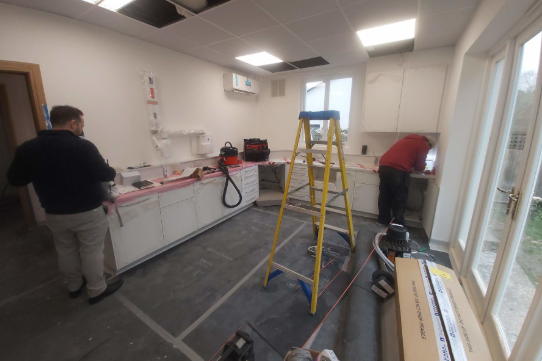
Dental offices demand specialized engineering that differs significantly from standard commercial office spaces. Operatories require complex plumbing for waterlines, heavy-duty electrical infrastructure for diagnostic machinery, strict radiation shielding, and ergonomic layouts designed to maximize provider efficiency. Partnering with contractors who specialize in medical construction guarantees compliance with local healthcare building codes and safety regulations.
Equally critical is your digital and administrative technology stack. Modern practices rely on digital X-rays, intraoral cameras, and automated practice management platforms. Implementing modern digital infrastructure—including robust software for medical billing in Utah—allows your administrative team to process insurance claims efficiently, minimize billing errors, and maintain steady cash flow from day one.
4. Recruit and Train an Exceptional Care Team
Your team represents the primary face of your practice. Patients often evaluate their experience based on front-desk warmth and hygiene care just as much as clinical outcomes. Seek out skilled, empathetic staff members who share your dedication to customer care and clinical excellence.
Once hired, invest heavily in structured onboarding and operational training. Establish clear protocols for patient check-in, privacy compliance, infection control, and post-treatment follow-up. A cohesive, well-trained staff fosters immediate patient trust and drives positive word-of-mouth referrals across the community.
5. Implement an Omnichannel Marketing Strategy
Do not wait for construction to complete before initiating your marketing efforts. Begin establishing your brand identity three to four months prior to your official opening.
Essential early marketing steps include:
- Building a professional, mobile-responsive website with simple online scheduling options.
- Claiming and optimizing local search profiles and Google Business pages.
- Executing targeted local search engine optimization (SEO) and social media announcements.
- Networking with local health providers, child centers, and community groups to build a direct referral pipeline.
Conclusion
Building a successful dental practice from the ground up requires balancing clinical skill with sharp business operations. By setting a clear vision, securing financial stability, leveraging modern technology, and fostering an exceptional patient experience, you can build a thriving practice that serves your community for years to come.