Why Is My Air Conditioner Running but Not Cooling the House?
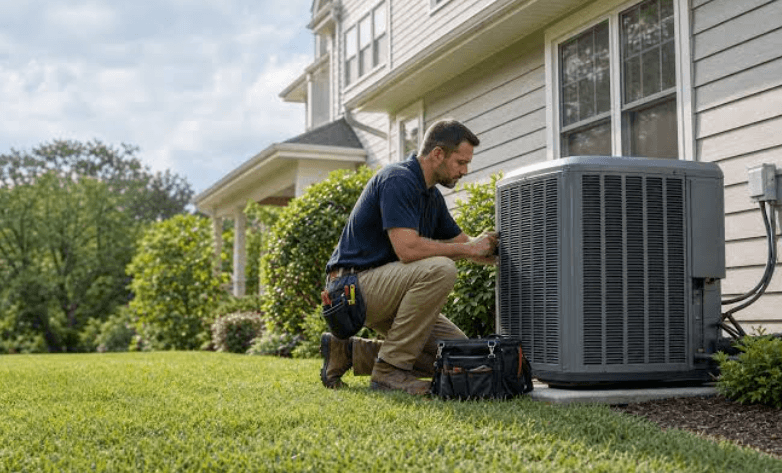
When summer temperatures soar, few things are more frustrating than an air conditioner that runs constantly but fails to cool your home. This common issue can leave you feeling uncomfortable and concerned about rising energy bills. Understanding why your air conditioner is not performing as expected is crucial for restoring comfort and efficiency. There are several potential causes, ranging from simple maintenance issues to more complex mechanical failures. By identifying the root of the problem, you can take the right steps to resolve it and prevent future occurrences, ensuring your home remains a cool and pleasant refuge during the hottest months.
Common reasons for cooling issues
Dirty or Clogged Air Filters
One of the most frequent reasons an air conditioner runs without cooling is a dirty or clogged air filter. Over time, dust, pet hair, and other debris accumulate in the filter, restricting airflow through the system. When airflow is limited, the evaporator coil inside the unit cannot absorb heat effectively, causing the system to struggle to cool the air. This not only reduces the cooling capacity but also forces the air conditioner to work harder, which can lead to higher energy consumption and increased wear on components. Regularly checking and replacing your air filter, typically every one to three months depending on usage and household conditions, is a simple yet vital maintenance task. Neglecting this can result in poor indoor air quality and may even cause the system to freeze up, further diminishing its ability to cool your home.
Thermostat Problems and Incorrect Settings
Another common culprit behind an air conditioner that runs but does not cool is an issue with the thermostat. If the thermostat is not set correctly or is malfunctioning, it may not signal the air conditioner to cool the air to the desired temperature. Sometimes, the thermostat may be set to “fan” mode instead of “cool,” causing the system to circulate air without actually cooling it. Additionally, if the thermostat is located in a spot that receives direct sunlight or is near a heat source, it may give inaccurate readings, leading the system to run unnecessarily. Ensuring your thermostat is set to “cool” and programmed to your preferred temperature can resolve many cooling issues. If problems persist, it may be necessary to recalibrate or replace the thermostat to restore proper function and comfort in your home. When electronic adjustments fail to solve the issue, professional diagnostic support can help identify deeper electrical complications within the system. Working with a reliable Air conditioning repair service in Cocoa ensures that complex thermostat communication issues or sensor errors are corrected quickly, protecting your home against prolonged cooling interruptions during hot weather. For persistent issues, contacting an air conditioning repair service can help diagnose and fix thermostat-related problems efficiently.
Refrigerant Leaks and Low Refrigerant Levels
Refrigerant is the substance responsible for absorbing heat from your home and releasing it outside. If your air conditioner is low on refrigerant, it will not be able to cool the air effectively, even if the system is running continuously. Low refrigerant levels are often caused by leaks in the refrigerant lines or coils, which can develop over time due to corrosion, vibration, or accidental damage. Signs of a refrigerant leak include hissing or bubbling noises near the unit, ice buildup on the evaporator coil, and a noticeable decline in cooling performance. Addressing refrigerant issues requires a trained technician, as handling refrigerant involves specific safety protocols and environmental regulations. If you suspect a leak, it is important to have your system inspected and repaired promptly to prevent further damage and restore efficient cooling.
Electrical and Mechanical Failures
Air conditioners rely on a complex system of electrical and mechanical components to function properly. Problems such as a malfunctioning compressor, faulty capacitors, or worn-out fan motors can prevent the system from cooling effectively, even if it appears to be running. The compressor is particularly critical, as it is responsible for circulating refrigerant through the system. If the compressor fails, the air conditioner may blow warm air or no air at all. Electrical issues, such as loose wiring or tripped circuit breakers, can also disrupt the cooling process. Diagnosing and repairing these types of failures typically requires professional attention, as working with electrical components can be hazardous. Regular maintenance and timely repairs can help prevent these issues and extend the lifespan of your air conditioning system.
See also: AI Receptionist Are Changing How Businesses Handle Calls
The Importance of Regular Maintenance
Routine maintenance is essential for keeping your air conditioner running efficiently and preventing unexpected breakdowns. Scheduling annual inspections and tune-ups allows a technician to identify and address potential problems before they escalate. Maintenance tasks such as cleaning coils, checking refrigerant levels, and inspecting electrical connections can significantly improve system performance and energy efficiency. By investing in regular care, you can enjoy consistent cooling, lower energy bills, and greater peace of mind throughout the cooling season.
When to Call a Professional
If you have checked your air filter, thermostat, and basic settings but your air conditioner is still not cooling, it may be time to seek professional help. Persistent cooling issues often indicate underlying problems that require specialized tools and knowledge to diagnose and repair. A qualified technician can perform a thorough inspection, identify the root cause, and recommend the most effective solution. Prompt professional intervention can prevent further damage, reduce repair costs, and ensure your home remains comfortable during the hottest days of the year.
Conclusion
Dealing with an air conditioner that runs but does not cool your home can be both uncomfortable and concerning, especially during peak summer months. Understanding the potential causes, from dirty filters and thermostat issues to refrigerant leaks and mechanical failures, is the first step toward resolving the problem. Regular maintenance and timely repairs are key to ensuring your system operates efficiently and reliably. If basic troubleshooting does not restore cooling, reaching out to a qualified technician can help you quickly regain comfort and avoid more serious issues down the line. Taking proactive steps now will help keep your home cool and your air conditioning system in top condition for years to come.