Why Resin Lighting Works for Modern Homes
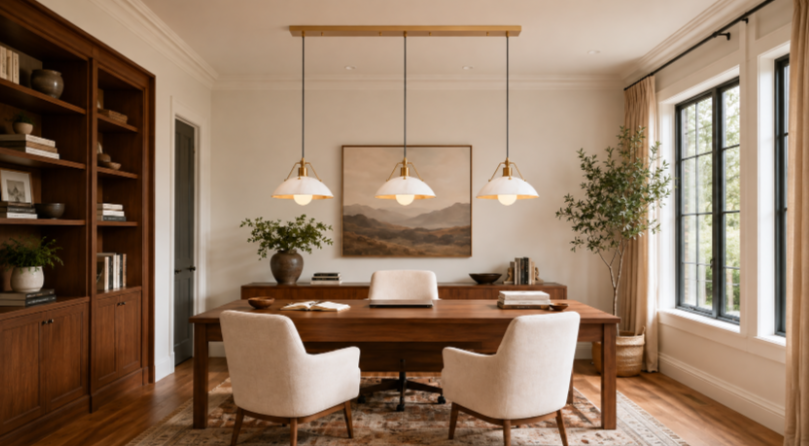
Modern lighting is no longer simply about illuminating a room. As homeowners place greater emphasis on atmosphere, material, and interior character, lighting fixtures are increasingly becoming part of the overall design language of a home. Resin lighting has gained attention because it brings together refined material appearance, softer illumination, sculptural freedom, and practical residential use.
Resin can achieve visual qualities inspired by alabaster, marble, and other natural stones while giving designers greater flexibility over color, texture, surface treatment, and form. This makes it possible to create everything from understated wall sconces and pendant lights to larger statement chandeliers with more expressive silhouettes.
A Material Designed for More Creative Lighting
Natural materials such as marble and alabaster have long been valued for their distinctive patterns and luxurious appearance. Resin takes inspiration from this visual language while allowing lighting designers to work with a wider range of shapes and proportions. Curved profiles, layered structures, organic forms, and larger sculptural compositions can all become part of the fixture rather than being limited by the natural structure of stone.
This flexibility is especially useful in contemporary interiors, where lighting often needs to act as both a functional source of illumination and a visible design element. A resin wall sconce can become part of the architectural character of a hallway or bedroom, while a resin chandelier can help define the visual center of a dining area or open-plan living space.
Softer Light for Everyday Spaces
The appearance of a fixture is only one part of good residential lighting. The way light interacts with the material has a major influence on how comfortable a room feels. Translucent resin can soften the visual effect of the light source by allowing illumination to pass through and interact with the surface instead of appearing completely exposed.
In a bedroom, this can help create a calmer bedside atmosphere. In a dining room, a resin pendant or chandelier can provide a warm focal point without making the space feel overly dramatic. In living rooms and entryways, the same material can introduce subtle texture and visual depth even when the fixture is not the largest object in the room.
From Wall Sconces to Statement Chandeliers
One of the most distinctive qualities of resin lighting is the range of forms it can support. The material does not have to be limited to traditional shades or simple geometric frames. Designers can explore organic curves, layered arrangements, rounded translucent elements, and larger sculptural proportions that allow the fixture to become part of the visual identity of the room.
Smaller resin wall sconces can work as decorative architectural details in bedrooms, hallways, and entryways, while statement chandeliers can create a stronger focal point above dining tables, in living rooms, or within high-ceiling interiors. The scale may change, but the same combination of material texture, light diffusion, and form remains central to the design.
Designed for Real Homes, Not Just Showrooms
Sculptural lighting can sometimes appear as though it belongs only in hotels, galleries, or highly styled luxury projects. In reality, resin lighting can work across a much broader range of residential spaces when the fixture is chosen according to the scale and function of the room.
A compact wall sconce can add character to a smaller bedroom or corridor, a medium pendant can give a standard dining room a clearer focal point, and a larger chandelier can help fill an open-plan or high-ceiling space without relying only on decorative furniture. This adaptability allows resin lighting to bring a more refined design language into everyday interiors without making the home feel like a showroom.
Where Material, Light, and Everyday Living Meet
The appeal of resin lighting comes from the way several design priorities work together. It can offer a stone-inspired visual character, help create softer illumination, support more sculptural forms, and adapt to different residential spaces. Rather than focusing on only one of these qualities, the strongest designs use all of them to create fixtures that feel both expressive and usable.
For homeowners looking for lighting that combines modern form with comfortable everyday use, it can be useful to explore resin lighting across different fixture types, from wall sconces and pendants to larger statement chandeliers, and compare which proportions and forms best suit each room.
Good lighting does more than brighten a space. When material, light, and form are considered together, a fixture can become part of how a home looks, feels, and functions every day.