How Resin Lighting Brings Modern Luxury Into Everyday Homes
Beyond Decoration: Lighting Designed for Real Life
The role of lighting in modern interior design continues to evolve. In the past, homeowners often chose fixtures primarily according to whether they could provide enough illumination. Today, as residential design places greater emphasis on atmosphere and the overall experience of a space, lighting has become an important element that influences how a room looks and feels.
A well-designed fixture needs to do more than provide comfortable light. It should also relate naturally to the furniture, architectural features, materials, and visual language of the room. Earlier discussions around resin lighting have explored how the material can reproduce the refined appearance associated with natural stone, while translucent resin can also help create softer and more controlled light diffusion.
Once material, light, and design come together, however, a more practical question becomes important: can these artistic lighting pieces actually work in real homes? That is one of the reasons resin lighting has attracted increasing attention. Rather than existing only in hotels, showrooms, or highly styled design projects, it can bring a sense of modern luxury into spaces that are used every day.
The Shift From Decorative Lighting to Lifestyle Lighting
The way homeowners think about lighting is changing. Fixtures were once treated as relatively independent functional products, selected mainly according to brightness, size, and basic practical requirements. With the growth of open-plan living, minimalist interiors, and more lifestyle-focused residential design, lighting now plays a much broader role. It helps define atmosphere, establish visual balance, and connect different areas of the home.
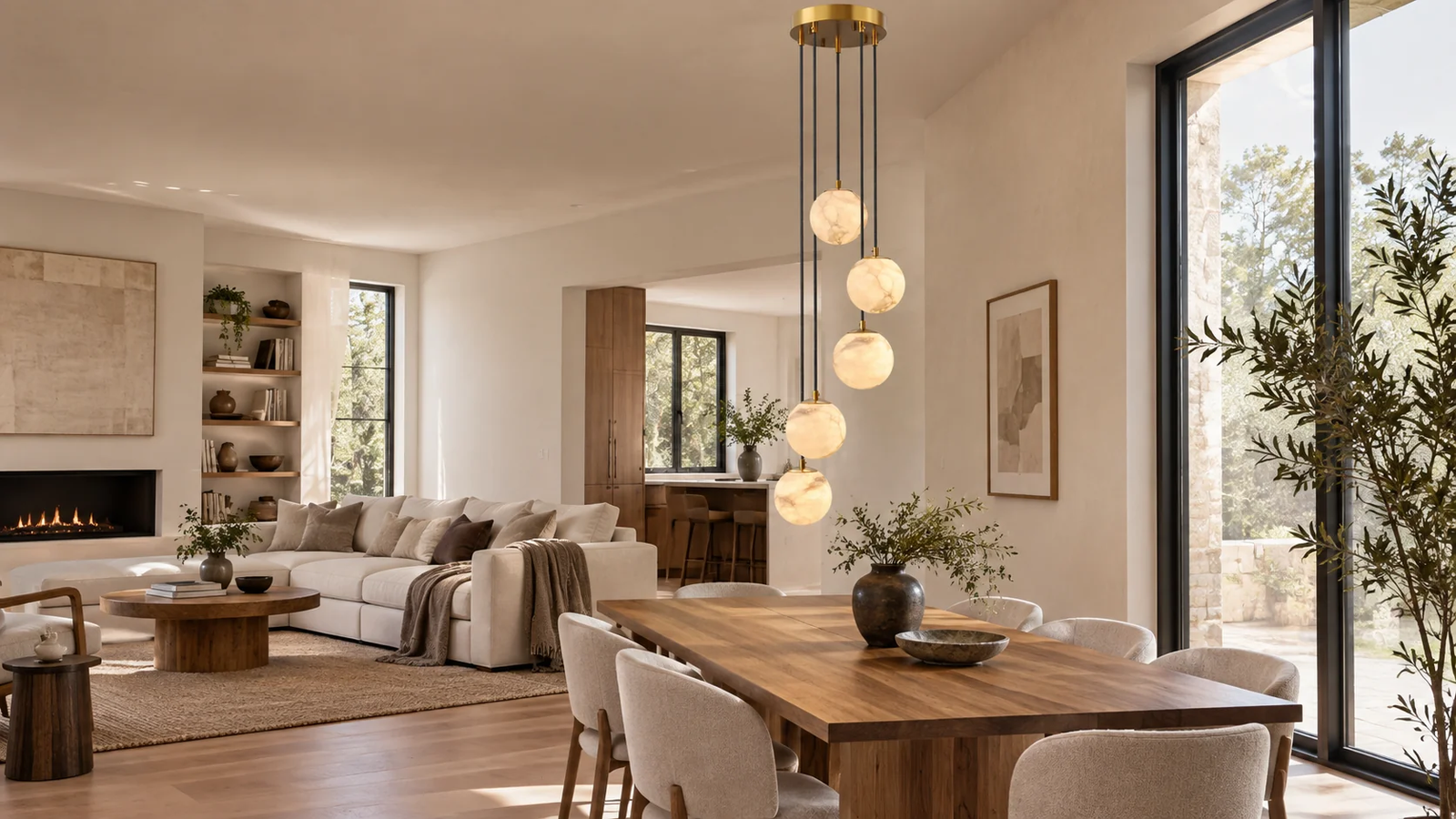
In an open living area, for example, a thoughtfully designed pendant or chandelier can visually connect the seating zone with the dining area and give the room a stronger sense of structure. In a bedroom, a pair of refined wall sconces can provide gentle bedside lighting while also contributing to a calmer and more intentional atmosphere.
Resin lighting fits naturally into this shift because it combines expressive material qualities with flexible forms that can work across different residential settings. Instead of feeling separate from daily life like a purely decorative object, the fixture becomes part of the space people experience every day.
Creating Comfortable Atmospheres With Resin Lighting
Lighting does not become successful simply because the fixture itself looks attractive. In a real home, the quality and comfort of the light matter just as much. Living rooms need illumination that feels relaxed and welcoming, bedrooms benefit from softer light that supports rest, and dining spaces often work best with a warmer atmosphere that encourages people to gather.
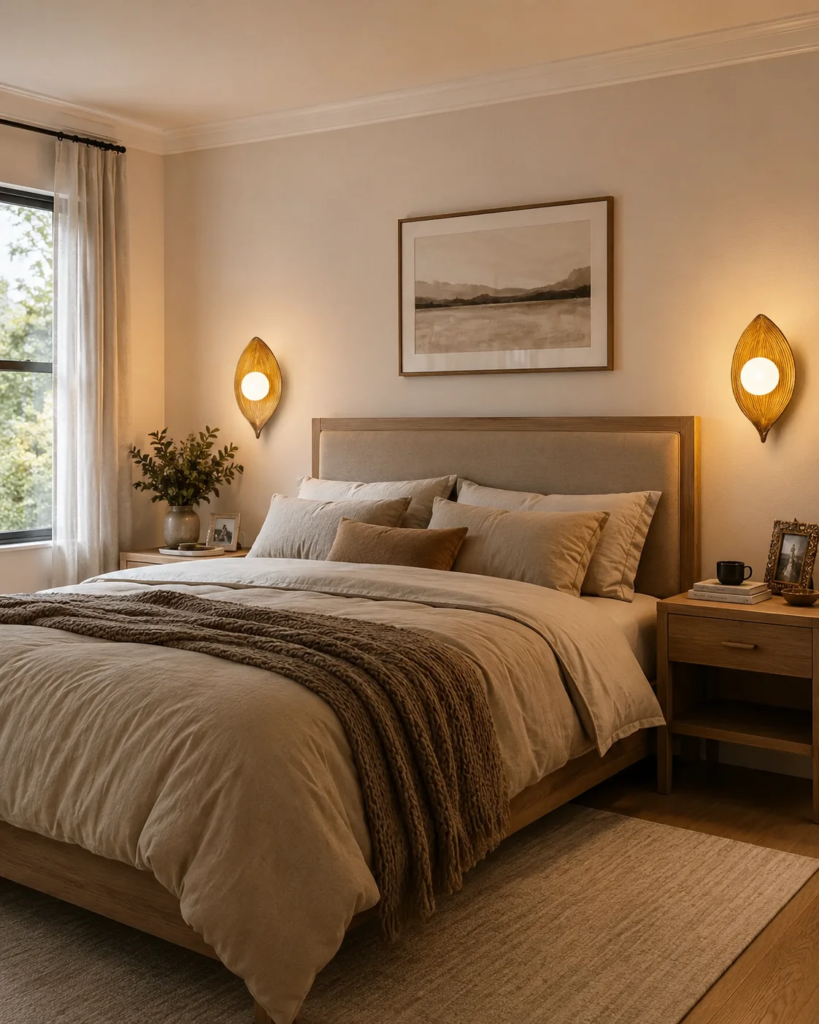
Resin lighting can support this balance between design and visual comfort. A translucent resin surface allows light to interact with the material rather than appearing as a completely exposed source, helping create a softer and more layered appearance. In a bedroom, resin wall sconces can provide gentle bedside illumination while adding texture and visual interest to the wall. In a dining room, sculptural resin pendant lights or statement chandeliers can establish a focal point while maintaining a comfortable atmosphere around the table.
In this sense, resin lighting is not simply about increasing brightness. Its value comes from helping shape a more balanced lighting environment in which the fixture, the material, and the surrounding space work together.
Why Resin Lighting Works in Modern Interior Styles
Modern residential interiors have become increasingly diverse. Minimalist spaces, organic-modern homes, contemporary interiors, and modern-luxury settings all use different combinations of furniture, materials, and architectural details. This also means that lighting needs to be flexible enough to respond to different design languages rather than forcing every room into the same aesthetic.
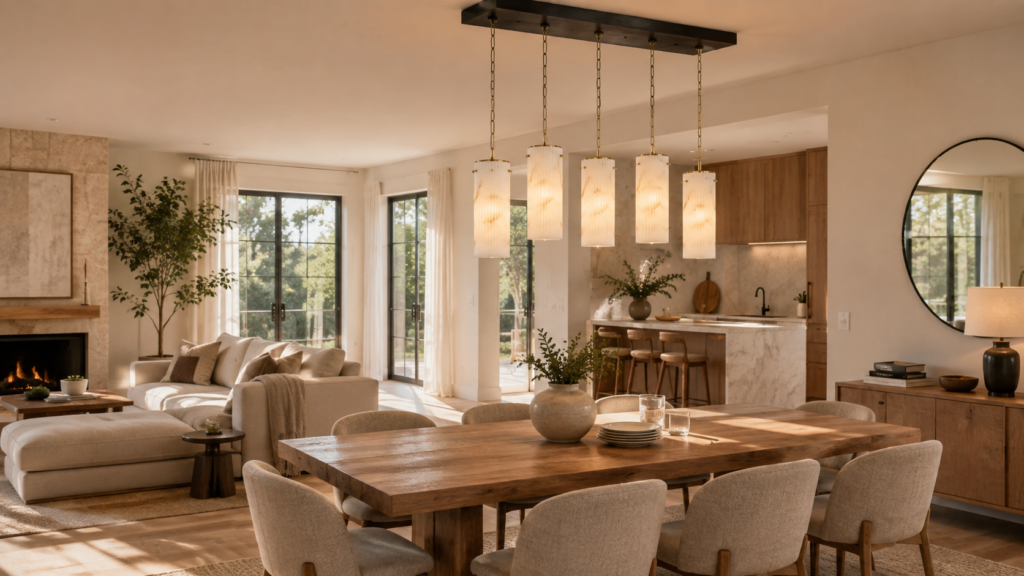
In a minimalist room, a resin fixture with a restrained silhouette can provide a refined focal point without interrupting the clean visual structure. In an organic-modern interior, soft textures and naturally inspired shapes can work particularly well alongside wood, stone, linen, and neutral colors. In more luxurious contemporary spaces, resin lighting fixtures with stone-inspired surfaces can introduce a richer material presence while still allowing designers more freedom in form and proportion.
This adaptability is one of resin lighting’s most useful qualities. It does not belong to one fixed decorative style. Instead, it acts as a design tool that can respond to different interiors while maintaining its own sense of texture, light, and character.
Practical Luxury: Designed for Everyday Homes
Good design should not be limited to highly styled spaces that are meant primarily to be photographed. For homeowners, a lighting fixture needs to remain visually appealing while also making sense within the proportions, routines, and long-term use of a real residence.
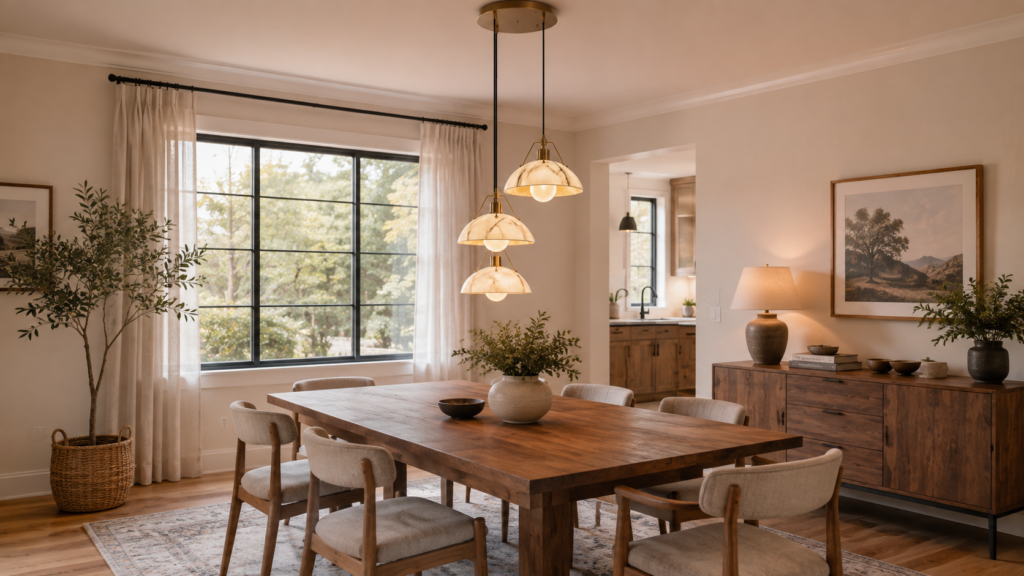
Resin lighting offers a useful balance between artistic expression and everyday flexibility. It can support sculptural forms and refined surfaces without requiring the interior itself to feel like a gallery or luxury hotel. A smaller bedroom, a standard dining room, or a larger open-plan home can each use resin lighting in different ways depending on proportion and placement.
This idea reflects a broader movement toward practical luxury in residential design. Luxury is becoming less about creating distance from everyday life and more about improving the quality of everyday surroundings through better materials, thoughtful proportions, comfortable light, and stronger visual coherence.
Choosing Resin Lighting for Different Spaces
Different rooms place different demands on lighting, and the range of resin lighting forms makes it possible to adapt the material to several areas of a home. In dining spaces, a statement chandelier can establish the visual center of the room and reinforce the dining table as a place for gathering. In bedrooms, resin wall sconces can provide softer supporting light while helping the room feel calmer and more considered. In entryways, a sculptural wall light or pendant can create a stronger first impression and give even a relatively small transitional space more identity.
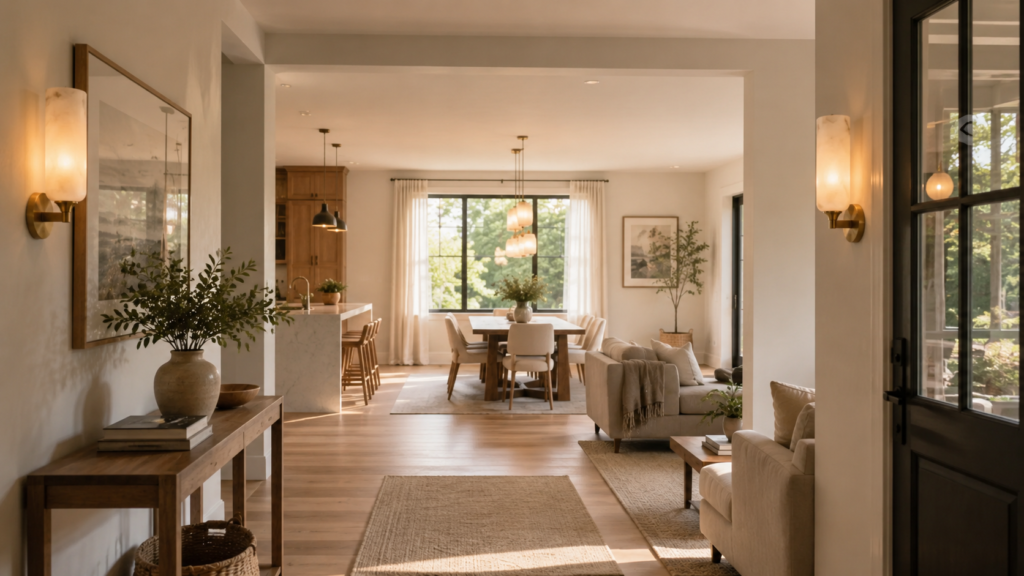
The specific fixture may change from one room to another, but the design principle remains consistent. Good residential lighting needs to be both visible and usable. It should contribute to the character of a space without feeling disconnected from the way people actually live in it.
Resin Lighting: Where Design Meets Everyday Living
From material selection and light diffusion to sculptural form and residential application, resin lighting represents a broader approach to modern lighting design. Earlier discussions explored how resin can offer a stone-inspired visual language while moving beyond some of the limitations associated with natural materials. They also showed how translucent resin can contribute to softer and more atmospheric illumination, and how greater material flexibility can support sculptural wall sconces and statement chandeliers.
The final value of all these qualities, however, appears in everyday life. Successful resin lighting is not defined only by a distinctive shape or surface. It is defined by how naturally the fixture becomes part of the home and how consistently it contributes to comfort, atmosphere, and visual character over time.
For homeowners interested in exploring how these ideas translate into real residential interiors, resin lighting for modern homes offers a closer look at how sculptural form, comfortable illumination, and everyday practicality can come together in a modern home.
For modern homeowners, this is where resin lighting becomes especially relevant. It brings together artistic expression, comfortable illumination, and practical residential design in a way that allows modern luxury to feel less distant and more connected to daily experience.
The future of lighting is not simply about illuminating a room. It is about shaping the way people experience the spaces they live in.