Precision Rotor Replacement: Advanced Strategies for Maximising Generator Reliability and Performance
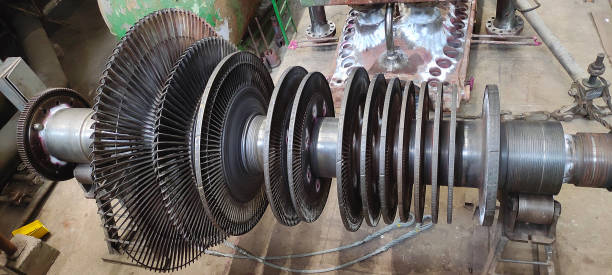
In power generation, industrial manufacturing, marine operations, and large-scale energy facilities, the condition of a generator rotor directly impacts efficiency, reliability, and operational continuity. Rotors are among the most critical rotating components within electrical generators, and over time they can suffer from wear, thermal stress, mechanical fatigue, contamination, and electrical faults.
When these issues become severe, rotor replacement becomes a necessary investment rather than a maintenance option. A properly executed rotor replacement project restores equipment performance, minimises downtime, improves energy efficiency, and extends the operational life of valuable generating assets.
This article explores the importance of rotor replacement, signs of rotor failure, replacement procedures, benefits, and how organisations can ensure long-term reliability through expert engineering support.
Understanding the Role of a Generator Rotor
A rotor is the rotating component within a generator responsible for producing the magnetic field required for electricity generation. As the rotor spins inside the stator, electromagnetic induction occurs, creating electrical power that can be distributed throughout industrial systems or power grids.
Because rotors operate under continuous mechanical and electrical stress, they are exposed to:
- High rotational forces
- Extreme temperatures
- Vibration loads
- Electrical insulation ageing
- Contamination from dust and moisture
- Bearing-related stress
Over time, these factors contribute to performance degradation that can eventually lead to failure.
When damage exceeds repairable limits, a complete rotor replacement may be the most cost-effective and reliable solution.
Common Causes of Rotor Damage
Several factors can contribute to rotor deterioration.
Thermal Stress
Generators frequently experience temperature fluctuations during operation. Repeated heating and cooling cycles can weaken rotor components and create material fatigue.
Electrical Faults
Short circuits, insulation breakdown, and electrical arcing may damage windings and rotor surfaces.
Mechanical Wear
Years of operation can cause shaft wear, imbalance, and deformation that negatively affect performance.
Contamination
Dust, oil, moisture, and chemical exposure can accelerate corrosion and insulation degradation.
Excessive Vibration
Misalignment, bearing failures, or rotor imbalance can create harmful vibration levels that eventually damage internal components.
Understanding these causes helps maintenance teams identify problems early and determine whether repair or replacement is the most appropriate solution.
Signs That Rotor Replacement May Be Required
Generator rotors rarely fail without warning. Several indicators often appear before complete failure occurs.
Increased Vibration Levels
Abnormal vibration readings often indicate imbalance, shaft distortion, or internal rotor damage.
Declining Generator Efficiency
Reduced electrical output despite normal operating conditions may signal rotor deterioration.
Overheating
Excessive heat generation can indicate electrical faults or insulation breakdown within the rotor assembly.
Unusual Noise
Grinding, scraping, or irregular sounds may suggest mechanical wear or alignment issues.
See also: AI Receptionist Are Changing How Businesses Handle Calls
Insulation Failure
Testing may reveal insulation resistance levels below acceptable operating standards.
Frequent Maintenance Requirements
When repairs become increasingly frequent and costly, replacement often provides a more sustainable solution.
Early diagnosis can prevent catastrophic failures and reduce overall lifecycle costs.
Why Rotor Replacement Is Often the Best Long-Term Solution
Many facility managers initially explore repair options when rotor issues arise. While repairs can be effective in some situations, severe damage often justifies replacement.
Benefits of replacement include:
- Restored operating efficiency
- Improved reliability
- Reduced maintenance expenses
- Lower risk of unexpected downtime
- Enhanced safety
- Better compliance with manufacturer specifications
A new or fully refurbished rotor can often deliver performance levels comparable to original factory standards.
Engineering Assessment Before Replacement
Before proceeding with a replacement project, engineers typically perform a comprehensive condition assessment.
This evaluation may include:
- Visual inspections
- Vibration analysis
- Electrical testing
- Shaft runout measurements
- Balancing assessments
- Non-destructive testing
- Thermal imaging inspections
These diagnostic procedures help determine the root cause of failure and ensure the replacement strategy addresses underlying issues rather than simply replacing damaged components.
The Rotor Replacement Process
A professional rotor replacement project follows a structured engineering process designed to minimise operational disruption.
Step 1: Detailed Inspection
Technicians inspect the generator and surrounding systems to identify all contributing factors.
Step 2: Rotor Removal
The damaged rotor is carefully extracted using specialised lifting equipment and handling procedures.
Step 3: System Evaluation
Bearings, stators, couplings, and associated components are inspected for related damage.
Step 4: Replacement Installation
The new rotor is installed according to manufacturer specifications and engineering tolerances.
Step 5: Alignment and Balancing
Precision balancing and alignment procedures ensure smooth operation and minimise vibration.
Step 6: Testing and Commissioning
Comprehensive testing verifies electrical performance, mechanical integrity, and operational readiness.
This systematic approach ensures reliable long-term results.
The Importance of Working with a Specialist Rotor Repair Shop
Choosing an experienced rotor repair shop can significantly influence project success. Specialist facilities possess the equipment, expertise, and quality control procedures necessary for handling complex rotating machinery.
Key capabilities often include:
- Dynamic balancing systems
- Precision machining equipment
- Electrical testing laboratories
- Rotor winding expertise
- Non-destructive testing services
- Advanced inspection technologies
Working with qualified specialists helps ensure replacement components meet industry standards and performance expectations.
How Generator Rotor Repair Supports Asset Management
In some cases, complete replacement may not be immediately necessary. Facilities often evaluate generator rotor repair options as part of a broader asset management strategy.
Repair solutions may involve:
- Rewinding
- Shaft restoration
- Dynamic balancing
- Insulation upgrades
- Mechanical rebuilding
These services can extend equipment life and provide valuable operational flexibility. However, when damage becomes extensive, replacement typically offers greater long-term value.
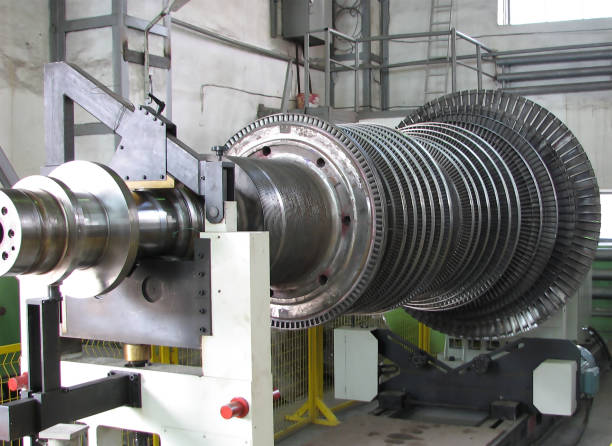
Evaluating Rotor Repair Services Versus Replacement
Many organisations struggle with the decision between repair and replacement.
Professional rotor repair services providers usually assess several factors before making recommendations:
Age of Equipment
Older rotors nearing the end of their service life may justify replacement.
Severity of Damage
Structural damage or extensive electrical failures often favour replacement.
Downtime Requirements
Replacement may offer faster recovery depending on component availability.
Lifecycle Cost Analysis
Comparing future maintenance expenses against replacement costs supports informed decision-making.
Reliability Objectives
Critical facilities often prioritise replacement to minimise operational risk.
An objective engineering assessment helps determine the most cost-effective approach.
Rotor Replacement in Large Power Generation Facilities
Modern utility-scale generators operate under demanding conditions and require exceptional reliability.
For these facilities, power generator rotor repair programmes often serve as an intermediate step before eventual replacement becomes necessary.
Replacement projects in power plants typically focus on:
- Maximising operational efficiency
- Meeting regulatory requirements
- Reducing forced outages
- Improving grid reliability
- Supporting long-term asset planning
Given the significant economic impact of downtime, proactive rotor replacement planning often becomes a strategic operational priority.
Technologies Improving Modern Rotor Performance
Rotor technology continues to evolve alongside advancements in power generation.
Today’s replacement rotors may incorporate:
- Improved insulation systems
- Enhanced winding materials
- Advanced balancing techniques
- Better thermal management designs
- Superior corrosion resistance
- Increased mechanical strength
These innovations help operators achieve greater reliability and efficiency than older designs.
Preventing Future Rotor Failures
Following replacement, preventive maintenance remains essential.
Recommended practices include:
Routine Vibration Monitoring
Continuous monitoring helps identify developing issues before they become serious.
Regular Electrical Testing
Periodic insulation and winding assessments improve fault detection.
Thermal Inspections
Infrared imaging can reveal overheating components early.
Scheduled Balancing Checks
Maintaining balance reduces mechanical stress and extends rotor life.
Environmental Control
Reducing contamination exposure helps preserve insulation integrity.
Predictive Maintenance Programmes
Data-driven maintenance strategies improve reliability and reduce costs.
These proactive measures maximise the return on investment from rotor replacement projects.
Economic Benefits of Timely Rotor Replacement
Although replacement requires capital investment, delaying action often creates greater financial consequences.
Potential benefits include:
- Reduced emergency repair costs
- Lower maintenance expenditure
- Improved energy efficiency
- Increased operational uptime
- Extended generator lifespan
- Enhanced production reliability
For critical facilities, the financial advantages of avoiding unexpected outages can far exceed the cost of replacement.
Conclusion: Future-Proofing Critical Power Assets Through Strategic Rotor Renewal
As industrial operations become increasingly dependent on reliable power generation, maintaining the health of rotating equipment is more important than ever. While maintenance and repair strategies remain valuable, there comes a point when rotor replacement delivers the greatest operational and financial return.
By identifying early warning signs, conducting detailed engineering assessments, and partnering with experienced specialists, organisations can restore performance, improve reliability, and reduce long-term risk. Whether supporting industrial facilities, utilities, or large-scale energy infrastructure, a well-planned rotor replacement strategy ensures critical generating assets continue to perform efficiently for years to come.
Investing in modern rotor technology today is not simply about replacing a component—it is about strengthening operational resilience, protecting productivity, and securing the future performance of essential power systems.