Why a Massage Recliner Has to Fit You Before Any Feature Matters
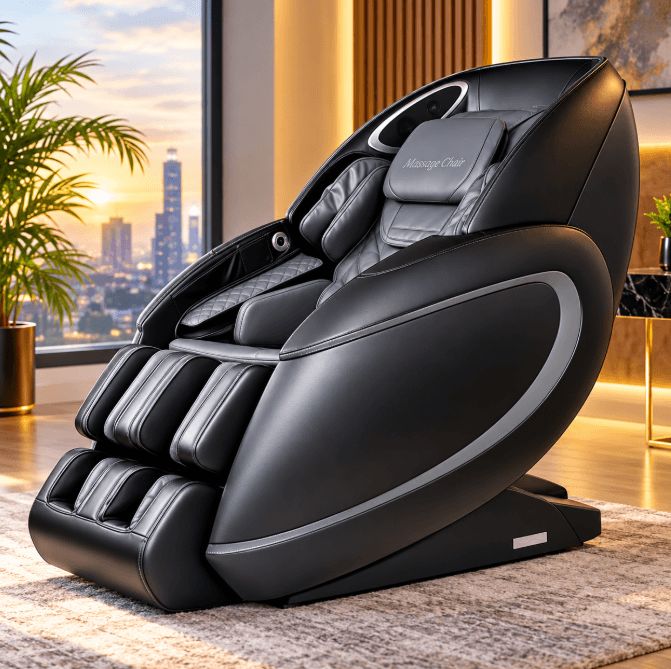
Twelve programs, a touch screen and a 4D mechanism describe what a chair can do. None say whether it will do any of it to the right part of your back. Fit comes first, and it is the specification buyers skip because nobody prints it as a headline. A zero gravity massage chair that does not match the person sitting in it massages the wrong places with great sophistication.
Shoulder position is what the rollers aim at
Every roller track in a massage recliner is built around an assumed relationship between the seat and the shoulders. The chair finds the top of your shoulders and works down from there, so anyone taller than the design range gets a massage that starts below the neck and runs out before it reaches the lower back.
Someone shorter has the opposite problem. The upper rollers reach past the shoulders into the headrest, the lumbar rollers land on the mid back, and the result feels pleasant while missing the area most people bought the chair for.
What body scanning can and cannot adjust
Scanning on a 4d massage chair measures where the shoulders sit and shifts the roller range to match. That is a genuine adjustment with a limit, because the track is a fixed length of rail inside the backrest and scanning moves the working window rather than extending it.
Within that range it adapts well. Outside it, the scan reports the nearest position it can reach, which is why two people of very different heights get different value from the same chair and why the published height range is worth reading first.
Footrest extension and the calf that hangs off the end
On a massage recliner, an extending footrest is a fit feature rather than a comfort feature. Calf airbags and foot rollers sit relative to the end of the footrest, so an extension that is too short puts the rollers under the heel and the airbags around the ankle instead of the calf.
Three checks settle it before purchase:
- Published user height range, top and bottom
- Footrest extension travel in centimeters
- Seat width against hip measurement
The last one is quietly important and almost never published beside the program list. Side airbags press inward from the seat sides, so somebody wider than the seat assumes gets compression on the hips rather than on the thighs, which is uncomfortable rather than therapeutic.
See also: Building a Mental Wellness Plan for Illinois Life
The room needs more than the chair footprint
A massage recliner sweeps backward as it opens, and a zero gravity recliner opens further than an ordinary recliner chair does. Some designs slide the base forward to avoid that sweep, and the wall clearance is a published figure rather than something to estimate on delivery day. The footrest extends the other way, so the space actually needed is the footprint plus the sweep behind plus the extension in front.
Getting it into the room at all
These chairs are heavy and arrive in one or two pieces. Measuring the narrowest doorway, the stair turn and any low header is what prevents a delivery that ends with the chair sitting in a hallway.
Power is less of a problem than expected, since a chair of this type runs on an ordinary household outlet. TMG Industrial builds this one with a 4D mechanism, body scanning and an extending footrest, which together make fit adjustable rather than fixed. Reading the height and width ranges before the program list is what makes the rest of the specification worth paying for.