Restoring a Vintage Sewing Machine as a Statement Piece for Your Home
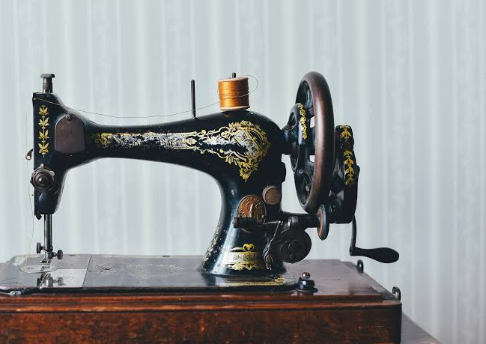
Home decor trends come and go, but there’s something about a beautifully restored piece of old machinery sitting in a living room or entryway that never really goes out of style. Vintage sewing machines, particularly the cast-iron treadle models with painted detailing and wooden cabinets, have quietly become one of the more popular restoration projects for people looking to bring genuine character into a home without buying something mass-produced.
Why Old Sewing Machines Make Great Statement Pieces
Part of the appeal is simply the craftsmanship. Machines built in the early-to-mid 20th century were made with an attention to detail that’s hard to find in modern manufacturing, ornate gold scrollwork, solid cast-iron bodies, and cabinetry built to last generations rather than a few years. Even machines that no longer run can serve as striking display pieces, and a restored, fully functional one adds a layer of usefulness that a purely decorative object can’t match.
There’s also a growing appreciation for objects with a history. A vintage machine, especially one found at an estate sale or inherited from a relative, comes with a story that a brand-new decor piece simply doesn’t have. That sense of history is a big part of why these restoration projects have picked up momentum among people decorating homes that lean toward vintage, farmhouse, or eclectic styles.
See also: The Impact of Artificial Intelligence on Everyday Life
Where Restoration Projects Usually Go Wrong
The most common mistake people make when starting a restoration is assuming the machine just needs a good cleaning and some fresh paint. Cosmetic restoration is only half the job. If the goal is a machine that actually functions, not just looks good, the mechanical components matter just as much as the finish. Belts crack and perish over decades, bobbin cases corrode, and tension assemblies drift out of alignment even on machines that were stored carefully.
This is where a lot of otherwise promising restoration projects stall out. People get the machine looking beautiful, only to discover that finding a functional replacement belt or bobbin case for a decades-old model isn’t as simple as walking into a local craft store. Generic parts sold as “universal fits” frequently don’t seat correctly on older mechanisms, which can leave a gorgeous restoration project sitting unused.
Sourcing the Right Parts
This is exactly the gap a supplier like Vintage Singer Parts fills. Rather than trying to make a modern replacement part work on an old machine, they source genuine parts pulled from real vintage machines, covering not just Singer but other legacy brands like Kenmore, Brother, Bernina, Elna, Pfaff, and Viking. With over 4,000 parts across more than 20 brands, it’s one of the few places where someone restoring a specific model number can actually find a part built to fit it exactly, rather than settling for a workaround.
Styling the Finished Piece
Once a machine is functional again, styling it into a home is fairly flexible. A treadle base with its original cabinet works beautifully as a side table or entryway console, sometimes with the machine head left in place as a decorative element, sometimes removed and displayed separately. For people who actually want to use the machine, keeping it in working condition rather than purely decorative means it can pull double duty as both a functional tool and a conversation piece.
A Project Worth the Patience
Restoring a vintage sewing machine isn’t a weekend project, and it shouldn’t be treated like one. But for homeowners looking for something with genuine character, a piece that can’t simply be bought off a shelf at a big box store, it’s one of the more rewarding restoration projects out there, especially once you know where to source the parts that make the difference between a display piece and a working heirloom.
Frequently Asked Questions
Are old sewing machines actually worth restoring?
Many are, especially cast-iron and treadle models from well-known brands. Beyond sentimental value, some vintage machines are genuinely well-built and can outlast modern machines if properly maintained.
What’s the hardest part of restoring a vintage sewing machine?
Usually sourcing correct replacement parts rather than the cosmetic cleanup. Belts, bobbin cases, and tension components wear out over decades and need to match the specific model.
Can a restored vintage machine still be used for sewing?
Yes, many fully restored vintage machines are completely functional and, in some cases, handle heavy fabric better than budget modern machines.
Do all vintage machine brands use the same parts?
No. Parts are generally brand- and model-specific, which is why sourcing from a specialist supplier rather than a generic parts seller matters for an accurate fit.