Walk-In Vaccine Clinics in Malaysia: Availability and Preparation
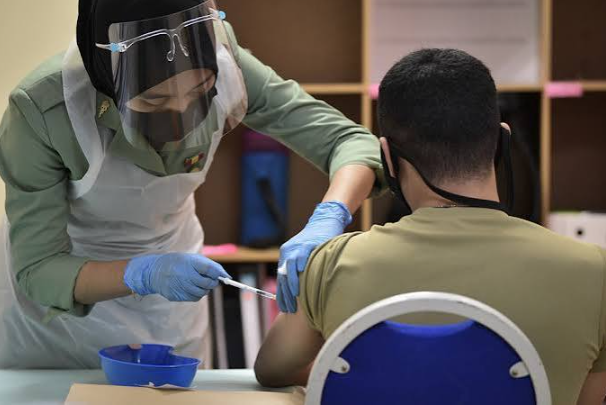
Finding a reliable walk in vaccine clinic is now easier than ever across Malaysia. Whether you are searching for a walk in vaccine malaysia service or simply need a walk in vaccine near me option that does not require a prior appointment, reputable medical clinics in Kuala Lumpur and the Klang Valley offer convenient vaccination services. For related information, see walk in vaccine.
Vaccination is one of the most important tools in preventive healthcare. Whether you are keeping up with routine immunisations, preparing for international travel, or responding to a seasonal health advisory, getting vaccinated at a trusted clinic is a straightforward and responsible decision.
Walk-in vaccination services are particularly valuable for working adults and families who find it difficult to schedule appointments during the working week. The ability to receive a vaccination without prior booking removes a significant practical barrier and helps support more people can stay up to date with their immunisation needs.
Common vaccines available at walk-in clinics in Malaysia include the influenza (flu) vaccine, hepatitis A and B vaccines, typhoid vaccine, tetanus and combined vaccinations, HPV vaccine, pneumococcal vaccine, and more. Travel vaccines such as meningococcal vaccine, Japanese encephalitis, and rabies vaccination are also available at medical clinics.
When visiting a walk-in vaccine clinic, bring your vaccination record (Kad Kesihatan or immunisation record) if you have one. This allows the doctor to review your vaccination history and advise on which vaccines are due or recommended. If you do not have a record, the doctor will take a brief medical history to guide their recommendations.
The doctor will typically ask about any allergies, previous adverse reactions to vaccines, and current medications before administering the vaccine. A brief observation period of 15 to 30 minutes after the vaccination is standard practice to monitor for any immediate adverse reactions.
Check availability before travelling
Walk-in does not always mean that every vaccine is stocked throughout the day. Vaccine supply, clinician availability, age eligibility and required observation space can change. Call the clinic before leaving home, especially for travel immunisations or a vaccine needed by a child. Ask about the total fee, whether a consultation is included and whether a second dose will need to be booked.
For a time-sensitive trip, ask whether the recommended vaccine must be given a certain number of days before departure. Some destinations also require a specific certificate or an approved provider. A same-day injection may not provide immediate protection, so advance planning remains important.
Match the vaccine to the person
An adult preparing for overseas travel may have different needs from a pregnant patient, an older adult or a child following a national immunisation schedule. The clinician should review age, existing records, health conditions and destination-specific recommendations. Some vaccines are unsuitable during pregnancy or in people with certain immune conditions, so an individual assessment matters more than a generic checklist.
People with uncertain vaccination histories should not guess which doses they have received. A healthcare professional can advise whether records, catch-up vaccination or specific testing are appropriate. Recommendations may differ between routine prevention, occupational exposure and post-exposure treatment.
See also: The Impact of Artificial Intelligence on Everyday Life
Prepare for the visit
Bring an identification document, past immunisation records and a list of medicines or allergies. Mention previous severe allergic reactions, recent illness and any immune-suppressing treatment. If the vaccine requires a series, ask for the next due date in writing. Keep the updated record in a place that is easy to find for future school, work or travel requirements.
If you are attending with a child, bring their health booklet and explain any previous reaction to injections. Comfortable clothing that allows access to the upper arm can make the visit easier. Ask for written aftercare advice before leaving.
Know the expected after-effects
A sore arm, mild fatigue or low fever can occur after some vaccines and usually settles. The healthcare team should explain expected effects and the warning signs that need urgent help, such as breathing difficulty or swelling of the face. Stay for the recommended observation period and ask for the clinic contact details in case concerns develop later.
Report a suspected serious adverse event through the channels advised by the healthcare provider. For ongoing mild symptoms, seek guidance rather than relying on online anecdotes. A clear record of the vaccine name and administration date helps clinicians assess later concerns.
Final considerations
For patients in Kuala Lumpur and the wider Klang Valley, the most useful next step is a consultation matched to the concern, not simply the closest advertised procedure. WeCare Clinic can be contacted to confirm which assessments and services are currently available at a particular location. Decisions about investigations and treatment should follow an individual clinical evaluation, with referral to an appropriate specialist when indicated.
Medical decisions should follow an individual consultation with a qualified healthcare professional. The need for testing, referral, medication or a procedure depends on clinical findings, and potential benefits, limitations and adverse effects should be discussed before proceeding. This article is educational and does not confirm that any specific service is available at a particular clinic.