Taekwondo vs. Karate: Which Martial Art Is Better for Beginners?
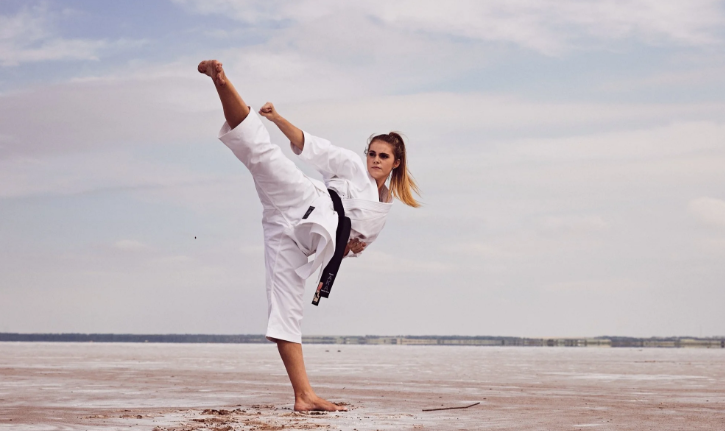
Choosing your first martial art can be exciting, but it can also be confusing. Taekwondo and karate are two popular choices for beginners, and both offer structured training, physical activity, discipline, and opportunities to develop confidence. While they share some similarities, their training styles and areas of emphasis are different.
For someone searching for taekwondo near me, understanding these differences can make it easier to decide what kind of class may fit their goals and personality. The important thing is not simply deciding which martial art is “better,” but understanding what each one offers and what you want from your training.
Understanding the Main Difference
The easiest way to describe the difference is through their technical emphasis.
Taekwondo is especially known for its kicking techniques, fast footwork, flexibility, and dynamic movement. Karate generally provides a more balanced combination of hand techniques, kicks, blocks, stances, and movement.
Both arts include forms, belt progression, partner exercises, and sparring, although the exact training experience depends on the school and style.
For a beginner, this means your experience may be quite different depending on whether you choose a traditional karate program, a competition-focused taekwondo school, or another variation.
What Beginners Learn in Taekwondo
Taekwondo places significant attention on developing strong and controlled kicking techniques.
A beginner may gradually learn:
- Front kicks
- Roundhouse kicks
- Side kicks
- Basic defensive movements
- Footwork
- Balance exercises
- Basic punches
- Forms and patterns
- Controlled partner drills
Advanced taekwondo can include spinning, jumping, and high kicks, but beginners generally build the required flexibility, balance, and coordination gradually.
This makes taekwondo appealing to people who enjoy movement and want to develop athletic skills over time.
What Beginners Learn in Karate
Karate usually places greater emphasis on combining hand and foot techniques.
Beginner classes may introduce:
- Basic punches
- Blocks
- Stances
- Simple kicks
- Movement patterns
- Defensive techniques
- Partner exercises
- Kata
The early stages of karate often focus heavily on learning proper posture, control, timing, and technique.
This structured approach can be comfortable for beginners who prefer learning movements step by step before progressing to more complicated combinations.
Which One Is Easier for Beginners?
Neither martial art is automatically easy or difficult.
The experience depends on the person’s age, fitness level, flexibility, coordination, learning style, and the instructor’s teaching approach.
Taekwondo may initially challenge beginners who have limited flexibility because many techniques involve the legs. Karate may feel more familiar to someone who prefers grounded movement and hand techniques.
However, flexibility is not something beginners need to have before starting. It can improve gradually through regular training.
A good instructor should adapt exercises to the student’s current ability rather than expecting a new student to perform advanced techniques immediately.
Taekwondo and Karate for Fitness
Both martial arts can provide a useful workout.
Taekwondo’s repeated kicking drills and active footwork can challenge the legs, core, balance, and cardiovascular system. Karate training can also involve repeated strikes, movement drills, stances, combinations, and partner exercises.
Regular training may help improve:
- Coordination
- Balance
- Mobility
- Strength
- Flexibility
- Body control
- Stamina
The amount of physical conditioning varies between schools, so it is worth observing a class before joining.
What About Self-Defense?
Self-defense is another reason people begin martial arts.
Karate and taekwondo both teach techniques that can contribute to physical awareness and defensive skills, but neither should be viewed as a guarantee of safety in every real-world situation.
Karate often gives considerable attention to hand techniques, blocks, movement, and close-range training. Taekwondo is particularly recognized for its kicking techniques, footwork, and managing distance.
For beginners, however, self-defense is about more than memorizing techniques. Awareness, avoiding unnecessary conflict, staying calm, creating distance, and knowing when to leave a situation are also important.
Comparing the Training Experience
The atmosphere of a class can sometimes matter more than the name of the martial art.
A beginner-friendly school should provide:
- Clear instructions
- Safe practice
- Respectful communication
- Appropriate supervision
- Gradual progression
- Reasonable expectations
- Opportunities to ask questions
Two schools teaching the same martial art can have completely different environments.
That is why visiting a class can tell you more than simply reading about a particular style.
Forms and Patterns
Both karate and taekwondo use structured movement sequences.
In karate, these are commonly called kata. In taekwondo, students may practice forms or patterns depending on the organization and style.
These sequences help students practice techniques, coordination, balance, memory, and concentration.
Beginners may initially find forms difficult because they have to remember several movements in the correct order. With practice, the sequence becomes more natural.
Forms also give students a clear way to measure their technical progress.
Sparring in Taekwondo and Karate
Sparring introduces students to controlled partner practice.
The exact rules vary considerably between different organizations and schools.
Sport-focused taekwondo may place strong emphasis on kicking, distance, timing, and scoring. Karate competitions also have their own rules concerning strikes, movement, timing, and scoring.
Beginners normally do not need to start with intense sparring. A responsible program should introduce partner work progressively and according to the student’s experience and comfort level.
The purpose of beginner sparring should be learning control and timing, not simply trying to overpower another student.
Which One Is Better for Kids?
Both can be suitable for children when taught in a safe and age-appropriate environment.
Taekwondo may appeal to children who enjoy:
- Kicking
- Fast movement
- Physical challenges
- Flexibility exercises
- Dynamic techniques
Karate may appeal to children who enjoy:
- Structured movements
- Punches and blocks
- Repetition
- Traditional forms
- Step-by-step learning
But personality is only one part of the decision. The instructor’s approach, class environment, schedule, and teaching quality can have a major impact on whether a child enjoys training.
Which One Is Better for Adults?
Adults can successfully begin either martial art without previous experience.
Someone searching for taekwondo near me may be interested in fitness, flexibility, martial arts skills, competition, or simply learning something new.
Adults who choose karate may appreciate its combination of hand techniques, kicks, forms, and controlled movement.
Adults choosing taekwondo may enjoy its emphasis on kicking, mobility, balance, and athletic training.
There is no requirement to be extremely fit before starting. Beginners are expected to develop their fitness through training.
Consider Your Personal Goals
Before choosing between karate and taekwondo, think about what you actually want from martial arts.
Ask yourself:
- Do I want a fitness-focused activity?
- Am I interested in learning striking techniques?
- Do I enjoy kicking-based movement?
- Do I want to improve flexibility?
- Am I interested in traditional martial arts?
- Do I want to compete someday?
- Am I mainly looking for confidence and discipline?
- Do I want a class for my child?
- How many days per week can I realistically train?
Your answers can help narrow down your choices.
The Instructor Matters More Than You Might Expect
A great martial art taught poorly may not provide the experience you hoped for.
When visiting a beginner class, pay attention to how the instructor interacts with students.
Look for an instructor who:
- Explains techniques clearly
- Corrects students respectfully
- Prioritizes safety
- Encourages beginners
- Does not embarrass students for making mistakes
- Adjusts exercises for different ability levels
- Creates a respectful training environment
Beginners should feel challenged without feeling pressured or intimidated.
Look at the Class Before Joining
If possible, observe a class before committing to a long-term membership.
Notice how students behave with one another. Look at whether the class is organized and whether beginners receive enough attention.
You can also ask about:
- Beginner class schedules
- Trial classes
- Training frequency
- Belt progression
- Sparring requirements
- Equipment
- Age groups
- Class sizes
- Instructor experience
These details can help you understand what your regular training experience will be like.
Don’t Worry About Being Perfect on Day One
One of the biggest mistakes beginners make is expecting themselves to understand everything immediately.
Your first few classes may feel unfamiliar.
You may forget techniques, lose your balance, struggle with flexibility, or have difficulty remembering a form. This is completely normal.
Martial arts are learned through repetition.
Instead of trying to be perfect, focus on improving one small thing at a time.
Can You Try Both?
If you are uncertain, trying introductory classes in both styles can give you useful information.
You may discover that you naturally enjoy the movement of one style more than the other.
You may also find that the instructor, schedule, or atmosphere of one school is a better fit.
Trying both can help you make a decision based on your actual experience rather than assumptions.
Choosing the Right Martial Arts School
Whether you choose karate or taekwondo, the quality of the school should be an important part of your decision.
A good school should make safety and respectful training a priority.
Consider whether:
- The facility is clean and organized.
- Beginners receive appropriate instruction.
- Students treat each other respectfully.
- The instructor communicates clearly.
- Training is suitable for your age and ability.
- The schedule fits your lifestyle.
- The overall environment makes you want to keep attending.
Consistency is extremely important in martial arts. The best program for you is one where you can train regularly and stay motivated.
Conclusion
Taekwondo and karate can both be excellent starting points for beginners. Taekwondo generally places greater emphasis on kicking, footwork, flexibility, and dynamic movement, while karate often provides a more balanced focus on hand techniques, kicks, blocks, stances, and forms.
If you are searching for taekwondo near me, don’t choose a class based only on the name of the martial art. Consider your goals, visit the school when possible, observe the teaching style, and think about whether the environment feels comfortable and motivating.
The most important part of beginning martial arts is finding a safe, supportive program where you can learn consistently and enjoy the process.