Choosing the Best Home Pilates Reformer for Different Workout Goals
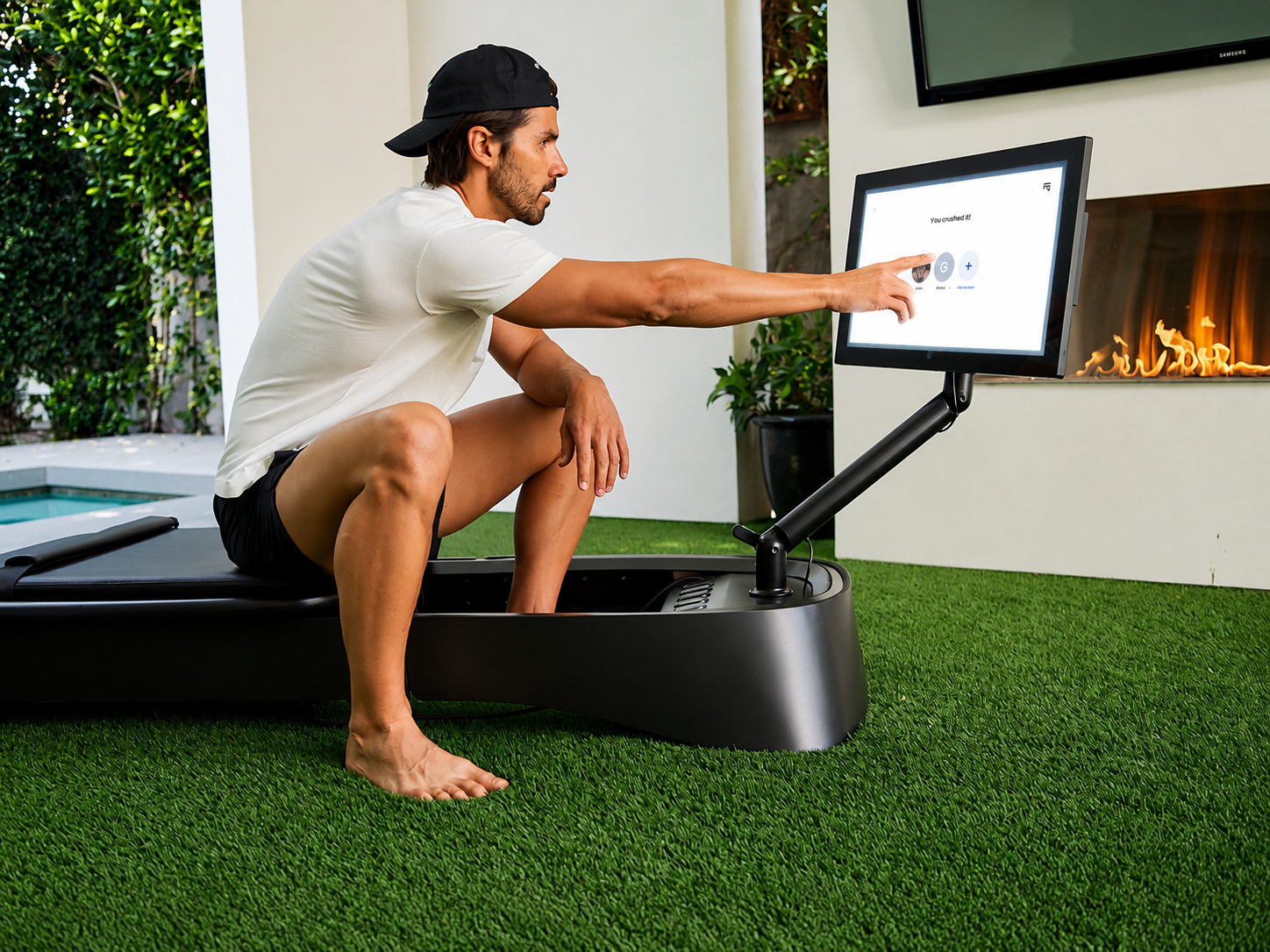
Choosing the best at home Pilates reformer depends on how you plan to exercise, how much space you have, your experience level, and the features you will actually use. A person starting Pilates for the first time may need a straightforward setup with simple adjustments, while an experienced practitioner may want more resistance options, greater adjustability, or additional equipment.
A reformer is not simply a platform for performing Pilates exercises. It combines a moving carriage with springs, a footbar, shoulder supports, straps, and other components to create different resistance and movement patterns. The right configuration can support controlled strength work, mobility exercises, balance practice, and full body routines.
For home use, practical considerations matter just as much as exercise features. The best at home Pilates reformer should fit comfortably into the room, provide enough clearance for movement, and be convenient enough to use regularly. A machine that matches your workout habits is more likely to become part of your routine than one chosen simply because it has the longest feature list.
What Makes a Home Reformer Suitable for Different Needs?
There is no single reformer configuration that suits everyone.
A beginner may value simplicity and easy adjustments. Someone with limited floor space may prioritize compact storage. A frequent user may focus more heavily on carriage quality and durability. Someone sharing the machine with another person may need a wider range of footbar and resistance adjustments.
The main factors to compare include:
- Machine dimensions
- Carriage size
- Resistance options
- Footbar adjustment
- User weight capacity
- Storage requirements
- Frame stability
- Strap and rope configuration
- Accessories
- Comfort
- Maintenance
- Warranty
The importance of each feature changes according to the intended use.
See also: The Impact of Artificial Intelligence on Everyday Life
Best Setup for Beginners
Beginners generally benefit from a reformer that is easy to understand.
Learning Pilates already involves coordinating breathing, body position, movement, and control. A complicated machine can add another layer of confusion.
Look for straightforward controls and clear adjustment points.
A beginner friendly setup should make it easy to understand:
- How the springs are changed
- How the footbar is positioned
- How the straps are used
- How to get on and off the carriage
- How the carriage moves
- How to return the equipment to its starting position
A comfortable carriage is also useful during the learning stage because many foundational exercises are performed lying down.
There is no need to buy a machine with every possible accessory when starting. Learn the basic movements first and add equipment later if it genuinely supports your practice.
Best Setup for Small Homes and Apartments
Floor space can be one of the biggest limitations for home Pilates.
A reformer needs more room than its frame occupies because your body and the equipment’s moving parts extend beyond the main structure during certain exercises.
Start by measuring the room.
Consider the available space around:
- Both ends of the reformer
- The sides of the carriage
- The footbar
- The straps
- The area used to mount and dismount
If the machine needs to be stored after every workout, measure the storage location as well.
A foldable or movable model may make sense in a smaller home, but check the actual weight and folded dimensions before buying. A machine can be relatively short yet still difficult to move or store.
If possible, keep enough open floor space around the equipment to avoid repeatedly moving furniture.
Best Setup for Regular Training
Someone who plans to use a reformer several times each week should pay attention to durability and convenience.
Frequent use makes the quality of everyday components more noticeable.
The carriage should move smoothly.
The springs should be easy to adjust.
The footbar should remain stable.
The straps should be comfortable and secure.
The machine should not require excessive preparation before every workout.
A small inconvenience may not matter when you exercise occasionally, but it can become frustrating when repeated several times a week.
For regular training, think about the entire user experience rather than one impressive feature.
Best Setup for Full Body Workouts
A reformer can support exercises for multiple areas of the body.
A balanced workout can involve:
- Legs
- Glutes
- Hips
- Abdominal muscles
- Back
- Shoulders
- Arms
The spring system is particularly useful because resistance can be adjusted between exercises.
For example, lower body exercises may use a different setup from upper body strap work. Exercises involving controlled mobility may require another configuration.
If you want a broad range of movements, look for a reformer with useful footbar positions, adjustable straps, comfortable carriage dimensions, and compatibility with accessories that you are likely to use.
You do not need dozens of attachments to achieve a full body workout. A well designed basic setup can already provide substantial exercise variety.
Best Setup for Strength Focused Workouts
Pilates reformer training can provide resistance through the spring system while requiring controlled movement.
For someone interested in strength focused workouts, the ability to adjust resistance is particularly important.
Do not select a machine simply because it offers the heaviest resistance.
Strength work still depends on control and appropriate positioning.
If the resistance is too high, you may compensate by:
- Using momentum
- Losing pelvic or spinal alignment
- Holding your breath
- Moving the carriage too quickly
- Relying on unintended muscles
A suitable resistance setting should allow you to complete the intended movement while maintaining control.
A machine with multiple spring options can give you more flexibility as your ability develops.
Best Setup for Mobility and Flexibility
A reformer can also be useful for controlled mobility work.
The straps can provide support during certain leg and hip movements, while the carriage can create opportunities for movement through different ranges.
If mobility is one of your main goals, comfort and adjustability may be more important than maximum resistance.
Pay attention to:
- Strap length
- Footbar positioning
- Carriage length
- Shoulder rest placement
- Headrest adjustment
- Range of movement available
Mobility work should remain controlled. Forcing a joint beyond a comfortable range is not necessary to make a movement useful.
If you have an existing injury or mobility limitation, work with an appropriate professional who can determine which movements are suitable.
Best Setup for Multiple Users
Sharing a reformer introduces additional requirements.
If two people with different heights, weights, and experience levels will use the same machine, adjustability becomes particularly valuable.
Look for:
- Multiple footbar positions
- Flexible spring settings
- Adjustable straps
- Suitable carriage dimensions
- Appropriate weight capacity
Both users should be able to configure the equipment safely without making permanent changes.
If one person is a beginner and another is experienced, the machine should accommodate simple foundational exercises as well as more advanced movements.
Best Setup for Tall Users
Height is an easy factor to overlook when shopping for home equipment.
A machine that feels comfortable for one person may not provide enough space for another.
Check the manufacturer’s recommended user height and carriage dimensions.
Pay attention to the relationship between:
- Carriage length
- Footbar position
- Shoulder rest location
- Strap length
- Headrest position
If you are tall, do not assume that a compact model will work simply because it has adjustable components.
Try the equipment in person if possible. If that is not an option, review the manufacturer’s dimensions carefully before purchasing.
Best Setup for Users With Limited Storage
Storage requirements can determine whether you use the reformer regularly.
A machine that is difficult to store may eventually become an obstacle.
If storage is necessary, consider:
- Folded dimensions
- Machine weight
- Wheels
- Handles
- Vertical storage options
- Required clearance
- Storage surface
Also consider whether you can safely move the equipment without damaging the floor or straining yourself.
A storage friendly design is useful only if the process of putting the machine away is manageable.
Best Setup for Experienced Practitioners
Experienced Pilates users may have more specific requirements.
After working with different exercises and resistance settings, you may know exactly which features you want.
These can include:
- Wider resistance options
- Multiple footbar positions
- Advanced accessory compatibility
- Adjustable shoulder rests
- Longer carriage dimensions
- Different strap configurations
- More precise setup options
At this stage, the goal is not necessarily to find the machine with the most features. It is to find equipment that supports the movements you actually perform.
If you regularly use particular accessories in studio sessions, check whether the home machine can support them safely.
Choosing Between a Permanent and Movable Setup
A permanent setup is convenient because the reformer remains ready to use.
This works well if you have a dedicated exercise room or enough space to keep the machine assembled.
A movable setup can be more practical in a shared room.
Before choosing a machine that you plan to move, check:
- Total weight
- Wheel design
- Available handles
- Folding mechanism
- Storage position
- Required lifting
Moving a large piece of equipment repeatedly can become tiring, so do not underestimate this part of the decision.
Consider the Carriage
The carriage deserves special attention because you interact with it during nearly every session.
Look for smooth movement and sufficient padding.
The carriage should not wobble excessively when you shift position.
The surface should also provide enough room for your body.
If you plan to perform a broad range of exercises, check whether the carriage dimensions support the movements you expect to practice.
A comfortable carriage becomes increasingly important when sessions are frequent.
Consider the Spring System
Spring resistance can affect both difficulty and exercise setup.
Different spring combinations can provide different levels of resistance and support.
Before purchasing, check how many springs are included and how they are changed.
The adjustment mechanism should be easy to understand and secure during use.
Avoid assuming that the maximum number of springs indicates better equipment. What matters is whether the available resistance range suits your workouts.
Check the Footbar
An adjustable footbar can increase the range of exercises you can perform comfortably.
Look at the number of available positions and how easily they can be changed.
The footbar should lock securely and remain stable when you apply pressure.
If multiple people will use the reformer, adjustability becomes even more important.
Consider Accessories Carefully
Accessories can expand the range of movements available, but they are not all necessary.
Depending on the equipment, you may find:
- Pilates box
- Jump board
- Additional springs
- Tower
- Different handles
- Mat attachments
Think about your training goals before buying accessories.
A beginner may need only the standard reformer components.
An experienced user may benefit from additional equipment if it supports exercises they already understand.
Compatibility should always be checked before adding accessories.
Think About Comfort During Long Sessions
If you plan to use the reformer frequently, comfort can affect your consistency.
Check:
- Carriage padding
- Headrest
- Shoulder supports
- Footbar padding
- Strap handles
The equipment should provide stable support without making positioning uncomfortable.
If you can try the machine before purchasing, spend enough time on it to assess how it feels in several positions rather than only sitting on the carriage for a few seconds.
Check User Capacity and Construction
Always review the manufacturer’s stated user weight capacity.
The machine should also sit securely on the floor.
A stable frame is particularly important during exercises where you apply force through your feet or hands.
Check whether the manufacturer specifies any flooring requirements or recommends a protective mat.
Do not modify the frame or resistance system outside of the manufacturer’s instructions.
Match the Equipment to Your Budget
Price should be considered alongside actual functionality.
Create two lists before shopping.
The first should contain features you must have.
The second can contain features that would be useful but are not necessary.
For example, your essential list might include:
- Suitable carriage length
- Adjustable resistance
- Stable footbar
- Appropriate weight capacity
- Comfortable carriage
Your optional list might include additional accessories or storage features.
This approach makes it easier to compare machines without paying for equipment that does not support your actual training needs.
Learn the Equipment Before Advanced Training
A reformer should not be treated like a piece of equipment that can be mastered by simply watching a few advanced exercise videos.
Beginners should learn how to set the machine up correctly and understand basic movement patterns.
An instructor can help with:
- Spring selection
- Footbar positioning
- Body alignment
- Carriage control
- Strap handling
- Safe transitions
Once you understand these fundamentals, independent home workouts become more manageable.
People with medical conditions, injuries, or other physical limitations should seek appropriate professional guidance before starting or changing an exercise routine.
Create Different Sessions for Different Goals
You can structure your routine around different priorities rather than performing the same workout every time.
A strength focused session might emphasize controlled resistance exercises.
A mobility focused session can use gentler movements and a comfortable range of motion.
A full body session can combine lower body, core, and upper body work.
A lighter day can focus on familiar movements with reduced resistance.
This type of variation can make regular practice more manageable without requiring a completely different collection of equipment for every workout.
Progress Without Rushing
Progress does not have to mean moving to advanced exercises immediately.
You can improve by:
- Increasing control
- Improving alignment
- Completing more controlled repetitions
- Adjusting resistance appropriately
- Increasing movement range
- Improving coordination
- Becoming more comfortable with transitions
Change one variable at a time when possible.
If you increase resistance, keep the exercise familiar. If you introduce a new movement, use a manageable resistance level.
This makes it easier to identify what is helping and what needs adjustment.
FAQ
What is the best at home Pilates reformer for beginners?
A beginner should generally look for a stable machine with straightforward spring adjustments, a comfortable carriage, a secure footbar, and clear setup instructions. Advanced accessories are not necessary at the beginning.
Can one reformer work for different fitness levels?
Yes. Adjustable resistance, footbar positions, carriage dimensions, and compatible accessories can allow the same machine to accommodate users with different experience levels.
Is a home reformer suitable for everyday workouts?
It can be used regularly, but workout frequency and intensity should allow adequate recovery. Not every session needs to be demanding.
What should I prioritize if I have limited space?
Measure both the operating and storage dimensions. Consider how much clearance you need around the machine and whether you can keep it assembled.
Is heavier resistance better for strength training?
Not automatically. Resistance should allow controlled movement and appropriate alignment. Excessive resistance can make technique harder to maintain.
Do I need accessories for a full body workout?
No. A standard reformer can support exercises involving the legs, hips, core, arms, and shoulders. Additional accessories can expand exercise options but are not essential for every user.
How important is carriage length?
It can be very important, especially for taller users or people who want to perform movements requiring greater body extension. Always check the manufacturer’s dimensions and recommended user height.
Should I take classes before using a reformer at home?
Beginners can benefit from professional instruction before independent practice. Learning equipment setup, resistance adjustment, and basic technique can make home workouts safer and easier to manage.