Stage Lighting Essentials: How the Right Lights Transform Any Performance
Introduction
Stage lighting is one of the most powerful tools in live entertainment. It tells the audience where to look, sets the emotional tone of a scene, and gives depth to performers and scenery that would otherwise look flat. Whether you are managing a school theater, a corporate event, a concert venue, or a worship space, understanding the basics of stage lighting helps you make better decisions about equipment, placement, and design. This article explains the main purposes of stage lighting, the common fixture types, how color and intensity shape a show, and how to keep your setup safe and reliable.
1. Understanding the Role of Stage Lighting
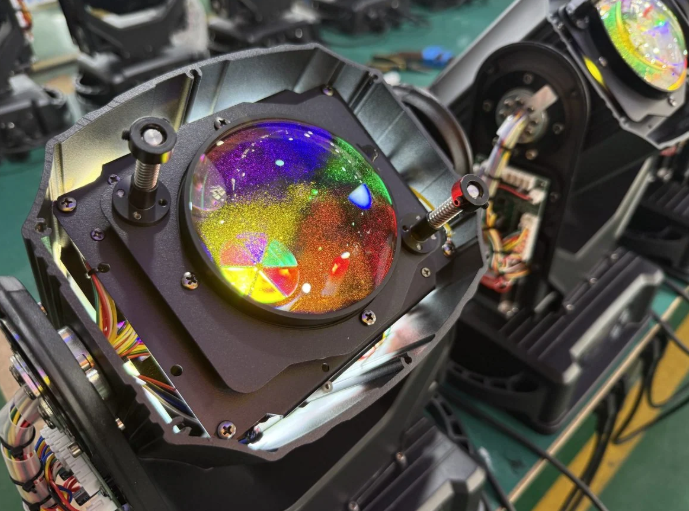
Stage lighting does far more than simply make performers visible. It shapes how the audience feels, directs attention, and supports the story being told. Modern productions often rely on a moving head light because a single fixture can change position, color, beam shape, and pattern during a show, which reduces the number of units needed on a rig. Beyond fixture choice, lighting designers think about visibility, focus, mood, and movement. Visibility ensures faces and actions can be seen clearly. Focus draws the eye to a speaker or soloist. Mood is created through color and brightness, while movement adds energy through changing cues and transitions.
2. Common Types of Stage Lights
Most stage rigs are built from a handful of fixture families, each with a specific job. Fresnel lights produce a soft edged beam that blends well, making them popular for general washes. Par cans deliver a wide, bold beam of color and are widely used in concerts and events. Ellipsoidal spotlights, also known as profile spots, create a sharp, controllable beam that can be shaped with shutters or patterns. Follow spots allow an operator to track a performer manually. Wash lights cover large areas with smooth color, and effect lights add beams, strobes, and atmosphere. Knowing what each type does helps you build a balanced plan instead of buying fixtures at random.
3. Color, Intensity, and Mood
Color and brightness are the language of lighting design. Warm tones such as amber and soft gold suggest comfort, romance, or nostalgia, while cool blues and greens can signal calm, mystery, or tension. Red often conveys passion or danger, and white light feels neutral and clear. Intensity matters just as much as color. A slow fade can build anticipation, while a sudden blackout can create shock or emphasis. Designers also consider contrast, since a bright performer against a darker background naturally stands out. Skin tones should always be considered, because certain colors can make performers look washed out or unnatural when used without balance.
4. Choosing Fixtures for Precision and Flexibility
When a production needs sharp edges, clean shapes, and reliable control, a led profile moving head is often a strong candidate. These fixtures combine the tight, shapeable beam of a traditional profile spot with the energy efficiency and color mixing of LED technology. They can project patterns, frame objects with shutters, and change focus quickly between scenes. Because LEDs run cooler and use less power, they are also practical for venues that want lower operating costs. When comparing fixtures, check brightness output, zoom range, color mixing quality, noise level, and the control protocols supported, since smooth integration with your console is essential.
5. Placement and Rigging Basics
Where lights are placed influences how performers look as much as which lights are used. Front lighting gives clear visibility but can flatten features if used alone. Side lighting adds dimension and highlights movement, which is especially valuable for dance. Backlighting separates performers from the background and creates a glowing outline. Overhead lighting adds drama and texture. A common approach is the three point setup, which uses a key light, a fill light, and a back light to build balanced, natural looking illumination. Whatever layout you choose, rigging must be secure, with proper clamps, safety cables, and weight ratings checked before every installation.
6. Control Systems and Programming
Even the best fixtures need a good control system. Most professional rigs use DMX, a standard protocol that allows a lighting console to send instructions to many fixtures at once. Operators program cues that store brightness, color, position, and timing, which can then be recalled with a single button during a show. Smaller venues may use simple software controllers, while larger productions rely on full consoles with advanced features. Planning your control setup early is important, because the number of channels, universes, and fixture profiles will affect both the equipment you need and the time required for programming.
7. Safety and Maintenance
Safety should never be an afterthought in stage lighting. Check that your electrical supply can handle the total power load, and avoid overloading circuits. Inspect cables for damage, keep connectors clean, and secure all fixtures with safety cables. Allow heat to dissipate properly, especially around curtains, scenery, and other flammable materials. Regular maintenance extends the life of your equipment. Clean lenses and fans, test moving parts, update firmware when needed, and record any faults so that problems can be fixed before they affect performance. Training your crew in safe handling and emergency procedures is equally valuable.
See also: Short-Form Video Marketing for Business Growth
Conclusion
Stage lighting combines technical knowledge with artistic judgment. By understanding its purpose, choosing suitable fixture types, using color and intensity thoughtfully, positioning lights with care, and maintaining your equipment properly, you can create performances that feel polished and engaging. Start with a clear plan based on your venue and the kind of shows you present, invest in reliable gear, and keep learning as technology evolves. With the right approach, your lighting will support every performer and every moment on stage.