Why Booneville Truck Accident Cases Often Involve More Defendants Than the Driver and the Carrier
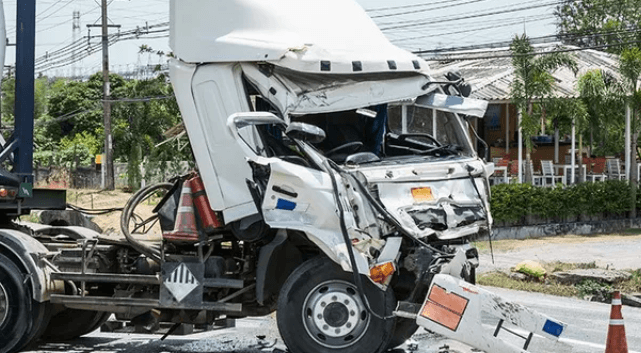
The instinct after a serious commercial truck accident in the Booneville area is to focus on the driver and the carrier whose name is painted on the trailer. That focus is understandable and usually correct as far as it goes. What it misses is the range of other parties whose decisions contributed to the crash and who bear their own independent legal responsibility for the consequences. A freight broker who selected a carrier with a documented history of safety violations, a shipper whose loading instructions created an unsecured cargo configuration, and a maintenance contractor whose recent brake work preceded a brake failure are all parties whose conduct is legally distinct from the driver’s and the carrier’s, and each represents both a separate accountability theory and a separate source of financial recovery that pursuing only the most visible defendants leaves unexamined.
Mississippi’s pure comparative fault system distributes responsibility among all defendants in proportion to their respective fault, which means that a truck accident lawyer in Booneville who identifies and pursues every party whose conduct contributed to the crash builds a materially different recovery than one who focuses only on the driver and the primary carrier.
Freight Broker Liability in Mississippi Truck Cases
Freight brokers occupy the position in the commercial trucking chain where the specific carrier that causes a crash is selected and assigned a load. When a broker selects a carrier whose FMCSA Safety Measurement System record showed documented compliance deficiencies, whose prior out-of-service orders reflected brake or driver qualification problems, or whose safety rating should have given a reasonable broker pause, that selection decision is an independent act of negligence separate from whatever the driver or carrier did on the day of the crash. Mississippi courts recognize broker liability in trucking cases where the selection process was inadequate, and the FMCSA’s publicly accessible carrier compliance data is the starting point for establishing what the broker knew or should have known before making the placement.
Cargo Securement Failures and Shipper Liability
FMCSA regulations under 49 CFR Part 393 establish specific cargo securement requirements for commercial trucks. When cargo shifts during transit because the securement did not meet the regulatory standard, and the shifting load contributes to a crash, the shipper who loaded the cargo and the carrier who accepted the improperly secured load both face specific liability based on the regulatory violation. For trucks carrying agricultural products, construction materials, or manufactured goods through Northeast Mississippi, the loading records and the pre-trip inspection documentation are among the most important early discovery targets in any cargo securement case. These records must be preserved through a litigation hold served promptly after the crash.
See also: Key Considerations for Launching a Business in 2026
How Mississippi’s Pure Comparative Fault Applies to Multiple Defendants
When a Mississippi truck accident involves multiple defendants, the jury apportions fault among all parties, including the injured person if their conduct contributed to the accident. Each defendant is responsible for their proportional share of the total damages. The injured person recovers from each defendant based on that defendant’s fault allocation. This means that identifying and pursuing every party whose fault is supported by the evidence is not an academic exercise. Each additional defendant whose fault is established adds to the total recovery available to the injured person, because Mississippi’s pure comparative fault system adds those contributions together rather than capping recovery at the primary defendant’s share.
What the Carrier’s Compliance History Shows Before Discovery Begins
The FMCSA’s Safety Measurement System provides publicly accessible data about every registered carrier’s compliance history, including out-of-service rates, violation categories, and crash history. A carrier with a pattern of hours-of-service violations before a fatigue-related crash, or a pattern of brake-related out-of-service orders before a brake failure crash, has a compliance history that supports the systemic negligence argument before any formal discovery has been conducted. Reviewing this history is among the first steps in evaluating any serious Prentiss County commercial truck accident case. The Federal Motor Carrier Safety Administration’s Safety Measurement System provides free public access to this carrier compliance data for every registered carrier operating through Booneville’s freight corridors.