Small Drain Clues, Big Home Problems: A Guide for Sandy, Utah Homeowners
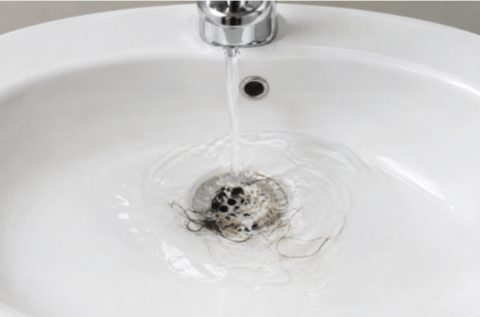
In Sandy, Utah, a drain problem can begin quietly: water lingering around shower feet, a kitchen sink emptying a little more slowly, or a toilet that bubbles when the washing machine drains. These clues are easy to dismiss, but noticing them early can help prevent a mess inside the home.
For a stubborn or recurring issue, homeowners may need drain cleaning services in Sandy Utah after basic, low-risk troubleshooting does not restore normal flow. The goal is not to panic over every slow sink, but to recognize when a small inconvenience is becoming a larger plumbing concern. Addressing these warning signs promptly can help protect your plumbing system, reduce the risk of unexpected backups, and keep everyday household routines running smoothly.
Why Small Drain Signs Matter
A partial blockage still allows some water to pass, which is why trouble can build gradually. Hair, grease, soap film, and debris can narrow the path inside a pipe until ordinary daily use becomes enough to trigger a backup. A shower that starts pooling near the drain is often more than a cleaning nuisance. It can be an early opportunity to remove buildup before water spills over a threshold or seeps into the flooring.
Common Causes of Drain Clogs
Kitchen drains often collect cooking grease, food particles, and coffee grounds. Bathroom drains commonly catch hair, soap residue, and buildup from personal-care products. Toilets and sewer lines may be blocked by wipes, paper towels, hygiene products, or other items not designed to break apart in plumbing.
Hard-water minerals can also leave scale inside fixtures and pipes over time. Farther from the home, roots may enter damaged or weakened sewer piping. The EPA notes that fats, oils, grease, certain household products, and tree roots can all contribute to blockages in sewer systems, so keeping grease and wipes out of the sewer system is a practical habit for every household.
Early Warning Signs to Watch For
- Water drains more slowly than it used to.
- A sink, tub, or shower makes gurgling sounds.
- Unpleasant drain odors return soon after cleaning.
- A toilet bubbles when another fixture is running.
- The same fixture clogs repeatedly.
- Multiple fixtures drain slowly or back up at once.
A single slow sink often points to a nearby clog in that fixture’s drain. When a toilet, tub, shower, or floor drain reacts to water used elsewhere, the obstruction may be farther along a shared branch line or main sewer line.
Room-by-Room Prevention Tips
Kitchen Drains
Let cooking grease cool in a container, then place it in the trash. Scrape plates into a garbage can or compost collection before rinsing; use a sink strainer; and avoid treating the garbage disposal as a catch-all for large scraps.
Bathroom Drains
Use a hair catcher in showers and tubs, then clean it regularly. Remove hair from sink stoppers, and flush only toilet paper and human waste. Wipes, cotton swabs, dental floss, and hygiene products belong in the trash, even if packaging suggests a wipe is flushable.
Laundry, Utility, and Outdoor Drains
Keep lint, dirt, and stored items away from utility and floor drains. Before wet weather, clear leaves and sediment from outdoor drainage areas so water has a better path away from the home.
Safe Steps to Try at Home
- Stop adding water if the fixture is draining poorly.
- Remove visible debris from the drain opening or stopper.
- Use a clean plunger sized for the fixture.
- Clean the screen, stopper, or trap only if it is readily accessible.
- Test with a small amount of water.
- Stop if water rises, leaks appear, or another fixture reacts.
Avoid mixing chemical drain products, as combining cleaners can create hazardous fumes or pose a risk of splashing. Mechanical methods, such as a plunger or hand-operated drain snake, are generally more controlled options for a minor local clog.
When the Problem May Be More Serious
Fast action is warranted when several drains back up together, wastewater appears in a tub or shower, sewer odors persist, or the same blockage returns within days or weeks. Water backing up when a toilet flushes or a washing machine empties also suggests the problem may not be limited to a single fixture. Possible causes include a deeper obstruction, root intrusion, a damaged pipe, or a main-line blockage.
See also: Online Business Loan Edmonton: A Convenient Way to Explore Business Financing
What to Avoid Pouring or Flushing
Keep Out of Sinks
- Grease, cooking oil, and fats
- Coffee grounds and large food scraps
- Paint, solvents, and harsh household chemicals
- Cat litter
Keep Out of Toilets
- Paper towels and cleaning wipes
- Diapers and feminine hygiene products
- Dental floss, cotton swabs, and medications
Simple prevention measures, including drain screens and quick attention to small leaks or clogs, are part of sensible emergency plumbing preparation that can limit water damage and disruption.
What to Do During a Backup
Stop using sinks, toilets, showers, dishwashers, and washing machines immediately. Keep children and pets away from wastewater, move valuables if safe to do so, and avoid using electrical equipment near standing water. If a fixture is overflowing, shut off its supply valve when accessible. Sewage-contaminated water can pose health risks, so avoid direct contact and seek appropriate help for cleanup and plumbing repairs.
A Simple Drain Maintenance Plan
- Weekly: Remove visible hair, scraps, and debris from screens and stoppers.
- Monthly: Clean drain screens and look under sinks for moisture or leaks.
- Seasonally: Clear outdoor drains and check floor drains for debris.
- After a recurring clog: Note which fixtures react and how often the issue returns.
- Before hosting: Keep grease, heavy food waste, wipes, and excess paper out of plumbing.
Final Thoughts
Drains usually offer warnings before a major backup occurs. Slow flow, gurgling, odors, and repeated clogs are worth addressing, especially when multiple fixtures are involved. With better disposal habits, regular screen cleaning, and quick action when symptoms spread, Sandy homeowners can reduce many common drain problems before they become emergencies.