Measuring Up: How to Plan Space for an Electric Massage Table
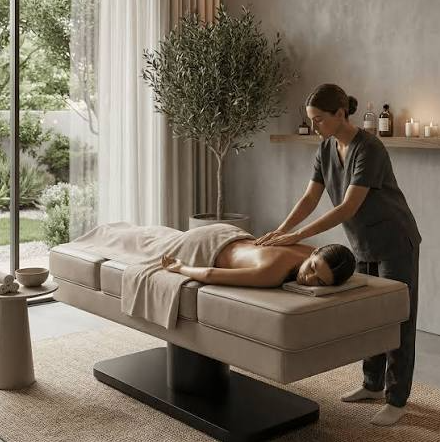
An electric massage table can transform a treatment room. At the touch of a control it rises, lowers and tilts, so the therapist can work comfortably and the client can settle in without climbing or stretching. But that convenience depends on the table fitting the room, and a table that is too large for its space — or too small for the treatments offered — quickly becomes a daily frustration. Before you order, it is worth understanding electric massage table dimensions and how they relate to the room you have, so the table you choose works as well in practice as it does in the catalogue.
Measuring is not complicated, but it does need care. The table itself is only part of the picture: the therapist needs room to move around it, the client needs space to get on and off, and the room still needs to feel calm and uncluttered. A little planning before you order prevents most of the problems that spa owners meet later.
Why the Measurements Matter
A treatment can last an hour or more, and during that time the therapist moves around the table constantly. If the room is too tight, the therapist ends up working in awkward positions, which is tiring and can affect the quality of the treatment. A well-measured room lets the therapist move freely, reach their oils and towels without stretching, and focus on the client rather than the furniture.
Clients notice the space too. A room with a table that fits well feels calm and professional, while a room where the table dominates the space feels cramped before the treatment even begins. The measurements of the table and the room work together to create the atmosphere your clients expect from a spa or clinic.
See also: Building a Mental Wellness Plan for Illinois Life
Measuring the Table
Start with the measurements provided by the supplier for the models you are considering. Look at the length and width of the tabletop, the height range it covers, and how far its sections move when tilted or raised. A table takes up more room when it is raised or when a section is tilted than it does when it is flat and low, so plan for the table in use rather than at rest.
It also helps to think about the treatments you offer. A table used mainly for gentle relaxation work may need less room around it than one used for treatments where the therapist moves around the client a great deal. Match the table to the work you actually do, rather than choosing the largest or the smallest model available.
Fitting the Table Into the Room
Once you understand the table, measure the room. Mark out the footprint of the table on the floor, then add the space the therapist needs on each side and at the ends. Walk around the outline as if you were giving a treatment, and check that you can reach every part of the table without squeezing past furniture or walls.
Doorways and corridors matter as well. A table that fits the treatment room perfectly is no use if it cannot get through the front door or along the hallway. Check the delivery route from the entrance to the room, including any turns, stairs or lifts, and confirm the measurements with your supplier before you order.
Power, Storage and Everyday Details
An electric table needs a power point close by, and the cable should not trail across the floor where clients or staff could trip over it. Check the position of sockets in the room and ask an electrician to move one if needed. Sorting out power before the table arrives avoids extension leads and last-minute changes.
Storage is another practical point. Towels, oils and clean linen need somewhere to live, and a treatment room without storage soon becomes cluttered. Plan where these items will go, and make sure the table’s position leaves room for a small trolley or cabinet within easy reach of the therapist.
Choosing With Confidence
When you have measured the room and understood what your treatments need, choosing a table becomes much simpler. Compare the measurements provided by different suppliers, and ask questions about anything that is unclear. A good supplier will explain its measurements in plain language and help you check that a model suits your room.
If you can, try the table before you buy. Lie on it as a client would, ask the therapist to raise and lower it, and pay attention to how the room feels with the table in place. A table that measures well on paper and feels right in the room is the one to choose.
Frequently Asked Questions
1. Why should I measure the table in use, not just at rest?
A table takes up more room when it is raised or when a section is tilted than it does when it is flat and low. Planning for the table in use prevents the room from feeling crowded once treatments begin.
2. What should I check about the delivery route?
Check the front door, corridors, turns, stairs and lifts between the entrance and the treatment room. Confirm the measurements with your supplier before you order, so the table can reach the room without difficulty.
3. Where should the power point be for an electric massage table?
Close to where the table will stand, so the cable does not trail across the floor. Ask an electrician to check the sockets and move one if needed before the table arrives.
Conclusion
Planning the space for an electric massage table is a practical job that pays off every day. Measure the table in use, mark out its footprint in the room, check the delivery route and sort out power and storage early. With those details settled, your treatment room will be comfortable for the therapist, welcoming for the client and a pleasure to work in.