Revolutionizing Implant Dentistry: How Advanced Technologies Shape the Future of Dental Implants
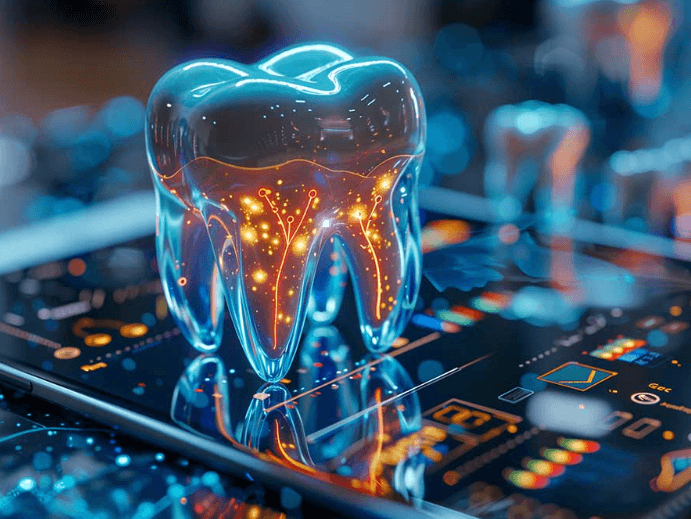
Implant dentistry has evolved rapidly with the advent of new digital and mechanical innovations. These advancements are changing the landscape of dental treatment, reducing complications and supporting better patient care. Technologies such as AI and 3D printing are making tasks more precise, predictable, and patient-specific, ultimately improving long-term outcomes. Patients interested in learning more about advancements in dental implants are often amazed by how digital technology streamlines the process. As research continues, even more sophisticated tools are expected to further enhance treatment accuracy and patient satisfaction.
The combination of robotics, digital imaging, and novel materials enables clinicians to offer more tailored, less invasive solutions. This not only boosts the dentist’s confidence but also increases patient comfort and speeds recovery. These innovations are helping make implant procedures more efficient while supporting reliable, long-lasting results for a wider range of patients.
Artificial Intelligence in Implant Planning
The integration of artificial intelligence into implant dentistry has marked a significant step forward in treatment planning. AI-driven software can analyze cone-beam computed tomography (CBCT) scans with incredible speed and accuracy. These tools help identify the most suitable positions for implants, minimizing the risk of damaging nerves or sinus cavities and providing optimal integration with the jawbone. By automating labor-intensive tasks and suggesting data-backed treatment plans, AI platforms, such as those developed by Carestream Dental, enable clinicians to craft better outcomes in less time.
AI enhances patient education and communication. By processing large datasets and visually presenting treatment options, AI enables dentists to clearly explain procedures to patients, boosting acceptance rates and overall satisfaction.
3D Printing for Customized Implants
The rise of 3D printing has transformed the way dental implants and surgical guides are manufactured. Traditional implant methods use stock materials and parts that may not always deliver the ideal fit. With 3D printing, dentists can now create unique components that are perfectly matched to a patient’s individual anatomical structure. This not only decreases operating time but can also limit surgical trauma and reduce the risk for post-surgical issues.
A recent breakthrough demonstrates the growing power of this technology. Companies such as 3D Systems, in collaboration with TISSIUM, have produced a 3D-printed bioabsorbable implant for nerve repair, illustrating how custom-printed devices are entering the mainstream for complex procedures.
Robotic Assistance in Surgery
Robotic technology is becoming increasingly common in surgical settings, and dental implantology is no exception. Systems like the Yomi® robotic platform leverage real-time feedback and highly accurate mechanical guidance, ensuring that drills and instruments only move according to the digital surgical plan. This minimizes errors and helps even less-experienced clinicians deliver top-tier results.
Robotic assistance also streamlines dental teams’ workflows. Automated positioning shortens the overall procedure time, leads to smaller incisions, and makes minimally invasive surgeries more routine. Patients experience reduced discomfort and faster healing, while clinicians can perform more complex procedures with greater precision.
Innovative Materials and Techniques
Modern approaches to implant materials and surface treatments are drastically reducing healing time and improving integration. The University of California, Los Angeles (UCLA) recently unveiled a technique that applies ultraviolet (UV) light to titanium implants. This treatment increases the surface’s biocompatibility, rapidly attracting natural bone growth and reducing the time needed for implants to fuse to the bone.
Beyond surface modifications, scientists are also exploring bioactive coatings and absorbable scaffolds designed to mimic the body’s own tissues. These advancements improve the long-term stability of implants and reduce the risk of complications, especially in patients with less ideal bone quality.
See also: Top AI Personal Health Assistant Development Companies Shaping Digital Healthcare
Real-Time Digital Monitoring Systems
The ability to monitor implant placement in real time represents another groundbreaking advancement. Researchers at The Ohio State University developed a system that combines high-resolution three-dimensional scans with instant digital visualizations for the surgical team. This innovation ensures unprecedented accuracy during placement and provides clinicians with critical information at every stage of the surgery.
With more accurate placements, there are fewer complications and lower rates of implant failure. Patients benefit from both improved esthetic results and fewer trips to the dental chair for follow-up adjustments.
Conclusion
Technological innovation has set a new standard in implant dentistry. From AI-driven diagnostics and 3D-printed guides to robotic assistance and novel bioactive materials, each new development aims to provide safer, faster, and more successful results. These tools not only help clinicians achieve better outcomes but also provide patients with greater confidence and satisfaction. As these advances continue to evolve and integrate, those considering dental implants can look forward to care that is faster, less invasive, and more reliable than ever before.