A Practical Guide to Caring for Dental Implants
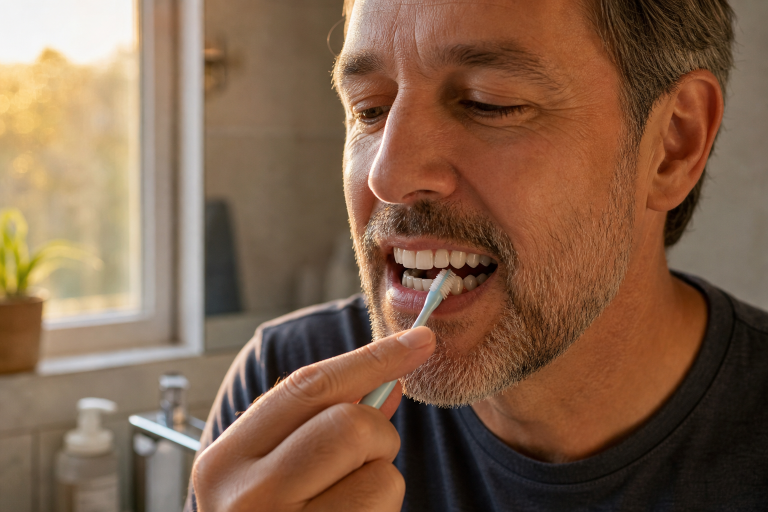
Dental implants are designed to function like replacement tooth roots, but long-term success still depends on healthy gums, strong supporting bone, and steady home care. A consistent plan for dental implant maintenance Catoosa OK, can help patients protect both their restoration and the surrounding tissue.
An implant restoration usually has several parts: the implant post in the jawbone, an attachment or abutment, and a visible crown, bridge, or denture. While these materials do not decay like natural enamel, bacteria and food debris can collect around the gumline and underneath certain restorations.
1. Why Dental Implant Care Matters
Plaque around an implant may irritate the surrounding gums. When inflammation is limited to the soft tissue, it may be manageable with early care. If infection progresses and affects the supporting bone, the implant can become less stable. Daily cleaning and professional monitoring make it easier to spot changes before they become more serious.
Cleaning between teeth matters because plaque can form on dental prosthetics, such as implants, crowns, and dentures, as well as on natural teeth. Good care is not about buying every product available. It is about using the right tools correctly and consistently.
2. Build A Simple Daily Cleaning Routine
A manageable morning and evening routine is often the best approach. Brush for about two minutes using gentle strokes along the gumline, including the side of the implant crown that faces the tongue or cheek. Then clean between teeth or beneath the restoration as instructed by your dental team.
Suggested Daily Steps
- Brush twice daily with a soft-bristle toothbrush.
- Clean carefully around the implant crown and gumline.
- Use floss, a floss threader, an interdental brush, or another recommended tool.
- Rinse only as directed, especially if you are healing after surgery.
- Look for bleeding, swelling, trapped food, or a change in comfort.
Avoid hard scrubbing. Aggressive brushing can irritate delicate gum tissue and does not replace careful cleaning between teeth. During healing, follow the post-treatment instructions for your specific implant and restoration.
3. Choose Helpful Cleaning Tools
The best cleaning tool depends on the size of the spaces around your teeth, the type of restoration, and how easily you can use the tool. Helpful options may include a soft manual or electric brush, implant-safe interdental brushes, floss threaders, specialty floss, or a small mirror for checking hard-to-see areas.
Water flossers can be useful for some people with bridges or limited hand mobility. The American Dental Association notes that water flossing can help clean between and around teeth, but it should fit the plan recommended for your restoration. Do not use sharp picks, metal instruments, or abrasive products unless your dental professional specifically advises them.
4. Know What Happens During Maintenance Visits
Implant maintenance visits are more than a standard polish. Your dental team may examine the gums, remove buildup, assess the restoration, check the bite, review home-care habits, and take X-rays when needed to evaluate the supporting bone. They can also check for worn attachments, loose screws, or areas that are difficult to clean.
Appointment timing varies. Some patients benefit from visits every three to six months, while others need a different schedule based on gum disease history, diabetes, smoking, teeth grinding, or the type of bridge or denture they wear.
5. Watch For Early Warning Signs
Call a dental office if you notice bleeding during cleaning, red or swollen gums, tenderness, persistent bad breath, a bad taste, pus, pain while chewing, gum recession, or a change in the way your teeth meet. A crown, bridge, denture, or implant that feels loose also needs prompt evaluation. Never try to tighten an implant component at home.
Severe facial swelling, fever, rapidly worsening pain, uncontrolled bleeding, or trouble breathing or swallowing requires urgent medical attention.
6. Limit Habits That Can Cause Problems
Implants can withstand normal chewing, but they are not tools. Avoid chewing ice, pens, fingernails, or other hard objects. Limit very hard or sticky foods if they strain the restoration, and cut tough foods into smaller pieces when helpful. Tobacco use can interfere with healing and gum health, so quitting or reducing use is an important protective step.
Clenching and grinding can place excessive force on an implant crown or bridge. If you wake with jaw soreness, notice worn teeth, or grind at night, ask whether a custom night guard may help.
7. Care For Bridges, Dentures, And Full-Arch Restorations
Larger restorations often have hidden surfaces where plaque and food can collect. Fixed bridges may require a threader, specialty floss, or water flosser to clean beneath the prosthesis. Removable implant-supported dentures should be taken out and cleaned according to the dentist’s instructions, including the underside and attachment areas.
Ask how often your restoration should be professionally removed for inspection and cleaning. A changed bite, worn attachments, clicking, or looseness should not be treated as a normal part of wearing a full-arch restoration.
See also: Top AI Personal Health Assistant Development Companies Shaping Digital Healthcare
8. Questions To Ask At A Checkup
- Do the gums around my implant look healthy?
- Am I cleaning beneath my restoration correctly?
- Should I use a different brush, floss, or interdental cleaner?
- Do I need updated X-rays?
- Is my bite placing too much force on the implant?
- Would a night guard be appropriate?
- How soon should my next maintenance visit be?
9. Common Questions About Implant Maintenance
Can Dental Implants Get Cavities?
No. The implant post and crown cannot develop a cavity. However, nearby natural teeth can decay, and the gums and bone around the implant can still develop inflammation or infection.
Is Flossing Still Needed?
Yes. Cleaning between teeth and around the restoration helps remove plaque from places a toothbrush cannot fully reach. The exact method may differ depending on whether it is a single implant, a bridge, or a full-arch restoration.
What If An Implant Feels Loose?
Contact your dental office promptly. The looseness may involve the crown, bridge, attachment, screw, or implant itself, and each possibility needs a professional assessment.
10. A Simple Routine Can Make A Big Difference
Dental implant care does not have to be complicated, but it should be consistent. Gentle daily cleaning, healthy lifestyle choices, routine professional visits, and quick action when something changes can help protect your gums, restoration, and supporting bone for years to come.