Property Protection: Why Exterior Home Upkeep Matters Most
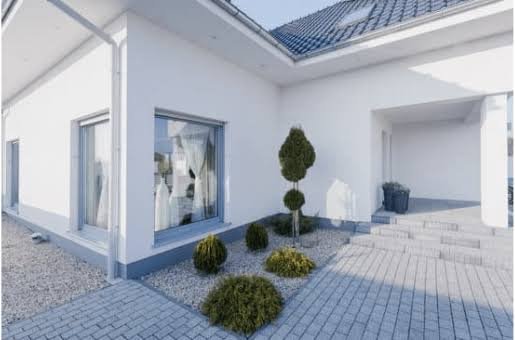
A home’s exterior serves as the primary barrier against unpredictable weather, fluctuating temperatures, physical wear, and organic pests. While property owners often concentrate on remodeling interior kitchens or bathrooms, ignoring outdoor surfaces inevitably leads to severe structural deterioration, wood rot, water intrusion, and diminished appraisal values. Committing to a consistent schedule of exterior preservation guards structural building components against decay, curtails emergency repair bills, and elevates curb appeal. Proactive maintenance transforms a standard house into a resilient, long-lasting investment that safeguards family health and finances.
Fortify the Building Envelope and Stop Water Infiltration
Water remains the single most destructive element that continuously threatens residential buildings. When siding, trim, windows, and flashing details suffer from deferred maintenance, moisture quietly penetrates underlying wooden framing studs and subflooring.
Once moisture breaches the outer cladding, structural decay proceeds unchecked behind walls, weakening load-bearing timbers and creating ideal conditions for toxic mold colonies. Regularly inspecting exterior sealant joints around window casings, door sills, and utility penetrations prevents rain and melting ice from entering wall cavities. Applying high-performance exterior silicone or elastomeric caulking seals hairline fractures before seasonal downpours strike.
Moreover, exterior siding panels require routine surface inspections. Wood siding needs regular coats of paint or penetrating stain to seal porous grain fibers against water absorption. Fiber cement and vinyl claddings demand periodic cleaning and secure fasteners to prevent strong wind currents from lifting boards and driving rain underneath the protective vapor barriers.
Sealing Window Jambs and Masonry Joints
Applying elastomeric joint sealant across exterior window perimeters stops moisture from weeping behind wall cavities during storms.
Replacing brittle, dried caulk eliminates drafty air bypasses, reducing winter heat loss and improving monthly household energy efficiency. Flexible caulking preserves building envelope tightness.
Protecting Siding from Moisture Saturation
Repainting weathered wood planks prevents damp cellulose fibers from swelling, cracking, and fostering destructive dry-rot fungi.
Inspecting lower siding courses for soil contact prevents splashing storm runoff from soaking into structural baseplates. Protective surface coatings extend cladding longevity.
Safeguard Structural Foundations Through Drainage and Grade Control
A home’s structural stability depends entirely on the stability of its foundation. However, unmanaged roof runoff, clogged gutter channels, and negative ground slopes routinely funnel thousands of gallons of water directly against basement concrete walls.
During heavy rainfall, saturated peripheral soil expands, exerting hydrostatic pressure against concrete slabs and basement footings. Over time, this pressure causes horizontal foundation fissures, bowing walls, and subterranean water seepage. Ensuring peripheral soil slopes downward at least six inches across the first ten feet guides water safely away from below-grade living spaces.
In tandem with positive grading, gutter systems must remain entirely free of debris. Overflowing gutters dump heavy sheets of water directly onto foundation backfill zones, washing away compacted soil and causing uneven foundation settlement. Extending gutter downspouts five to ten feet past the home’s exterior footprint prevents water from pooling against concrete footings.
Maintaining Unobstructed Gutter and Downspout Channels
Clearing decomposed leaves from gutters prevents rainwater from backing up under roof eaves and rotting fascia boards.
Attaching rigid downspout extensions directs torrential roof runoff away from delicate foundation backfill soils. Clean drainage troughs stop basement flooding.
Correcting Negative Ground Slopes Around Perimeter Walls
Adding compacted, impermeable topsoil against sunken foundation perimeters restores outward slopes, guiding surface water into lawn drainage swales.
Eliminating puddles next to concrete footings prevents subterranean soil saturation, keeping basement rooms dry and stable. Ground grading mitigates foundation settlement.
Maintain Healthy Landscapes and Sustainable Turf Environments
A well-maintained outdoor landscape provides aesthetic beauty, environmental shade, and functional recreation areas, while also protecting the property from environmental hazards. Neglected lawns, failing irrigation systems, and dying trees compromise residential safety and lower property values.
Cultivating a resilient yard requires balanced seasonal aeration, proper weed management, and efficient irrigation practices that accommodate regional soil characteristics and climate demands. When managing semi-arid mountain landscapes with intense summer heat, alkaline dirt, and freezing winters, hiring professional landscapers in Utah guarantees that your property receives tailored turf aeration, water-wise xeriscaping installations, and automated sprinkler adjustments that keep plants thriving without wasting water.
Furthermore, managing surrounding vegetation prevents invasive roots and low shrubbery from damaging building components. Overgrown branches touching exterior walls provide bridges for ants and mice, while dense shrubbery traps humidity against exterior siding, accelerating paint peeling. Pruning plants back at least two feet from foundation lines encourages air circulation and preserves building materials.
Designing Drought-Tolerant Native Plant Beds
Selecting climate-adapted native shrubs reduces summer watering requirements, lowering municipal utility expenses while supporting local pollinators.
Spreading deep organic bark mulch across garden beds suppresses invasive weeds and retains soil moisture during dry summer weeks. Drought-hardy plants create resilient yards.
Pruning Shrubs Away from Building Cladding
Trimming ornamental hedges away from siding allows wind currents to dry damp walls quickly after morning rain showers.
Removing continuous plant cover eliminates shaded travel routes that rodents and crawling insects use to search for wall cracks. Plant clearance deters pests.
Manage Mature Trees and Mitigate Hazardous Falling Limbs
Mature trees provide shade, cool residential homes during hot summer months, and increase property values. However, overgrown or structurally diseased trees present hazards to roofs, vehicles, overhead power lines, and human safety.
High winds, sudden summer thunderstorms, and heavy snowstorms place mechanical stress on weak tree canopies. Limbs weakened by internal rot, insect borers, or poor structural unions snap easily, causing roof punctures, broken windows, and damaged fences. Conducting regular crown thinning removes crossing branches, lightens upper branch weight, and reduces wind resistance across foliage.
Additionally, invasive tree roots can crack concrete driveways, lift stone walkways, and penetrate subterranean sewer and irrigation pipes. Monitoring the root perimeter around mature trees helps homeowners spot heaving sidewalks and foundation concerns early. Removing dead or structurally unstable trees proactively prevents severe property damage during unpredictable seasonal windstorms.
Pruning Brittle Canopy Branches and Crossing Limbs
Cutting away dead wood lightens the upper tree canopy, stopping heavy winter snow from snapping large limbs over roof planes.
Selective branch thinning allows heavy storm winds to blow through the tree canopy rather than acting against it like a solid sail. Regular pruning prevents storm damage.
Inspecting Root Spreads Near Hardscapes and Plumbing
Tracking aggressive root growth near paved driveways allows homeowners to install root barriers before concrete slabs heave and crack.
Inspecting sewer laterals with drain cameras ensures underground root tendrils do not infiltrate pipe joints, avoiding costly plumbing backups. Root monitoring protects underground infrastructure.
See also: RegTech AML: Modernising Financial Crime Compliance
Preserve Hardscapes, Driveways, and Outdoor Entertainment Decks
Exterior hardscapes—such as concrete driveways, stone paver patios, timber decks, and masonry steps—require consistent maintenance to resist weather degradation. Without ongoing maintenance, moisture and temperature swings degrade hardscape investments.
During freezing winter weather, water enters pores and cracks within unsealed concrete slabs. When trapped water freezes into ice, it expands with immense force, causing concrete surfaces to spall, chip, and crack. Applying silane-siloxane penetrating concrete sealers creates a barrier that repels water and prevents surface damage from deicing salts.
Similarly, exterior wood decks and composite patio platforms demand seasonal cleaning and sealing. Ultraviolet sun exposure bakes natural wood fibers, resulting in splinters, twisting boards, and loose nails that compromise deck safety. Washing wooden decks and applying UV-blocking penetrating oil sealers restores flexibility, waterproofs surfaces, and maintains a safe outdoor gathering space.
Sealing Concrete Slabs Against Frost Spalling
Brushing hydrophobic sealers over driveway concrete stops rain and melting snow from penetrating porous aggregate layers.
Preventing subterranean moisture absorption protects masonry surfaces from chipping during freeze-thaw cycles. Concrete sealers preserve smooth driving surfaces.
Restoring Wooden Deck Surfaces and Structural Framing
Scrubbing away surface grime and mildew prevents timber deck boards from becoming slick hazards when wet.
Fastening loose decking screws and applying penetrating protective stains stops boards from warping, extending deck life for decades. Deck maintenance preserves outdoor leisure.
Maximize Curb Appeal and Elevate Market Property Value
A home’s exterior forms the entire first impression for visitors, neighbors, appraisers, and potential buyers. Even a renovated interior cannot compensate for peeling exterior paint, rotting trim, broken gutters, and dead lawns.
Proactive exterior upkeep preserves high market appraisal values and shortens time on the market during real estate sales. A clean exterior signals to prospective buyers that the entire property has received careful stewardship, giving them confidence in the home’s unseen mechanical and structural systems. Properties with pristine landscaping, freshly painted trim, clean driveways, and updated light fixtures command top market prices.
Beyond financial returns, living in a well-maintained home fosters personal pride and satisfaction. Returning each evening to a clean property with tidy gardens, clean walkways, and a protected building envelope creates a welcoming environment that enriches daily life. Proactive exterior maintenance transforms your house into a dependable sanctuary.
Washing Exterior Surfaces to Restore Vibrancy
Pressure-washing vinyl siding, stone walkways, and front porches strips away accumulated vehicle exhaust soot, pollen, and mildew.
Restoring bright surface colors refreshes tired architectural features, making older residential homes look modern. Surface washing instantly boosts curb appeal.
Refreshing Architectural Hardware and Accent Details
Updating weathered house numbers, exterior light fixtures, and mailbox posts adds modern design accents to the front entrance.
Coating the front entry door with a fresh color provides a focal point, creating an inviting visual statement for arriving guests. Updated accent details elevate exterior style.
Conclusion
Maintaining your property’s exterior is an indispensable responsibility that protects structural integrity, ensures family safety, and preserves financial equity. By fortifying the building envelope against water leaks, stabilizing foundation grading, nurturing healthy landscapes, pruning mature trees, sealing exterior hardscapes, and polishing outdoor curb appeal, you eliminate minor maintenance oversights before they become costly emergencies. Proactive exterior care is a practical investment that defends your home from daily weathering. Committing to consistent exterior upkeep ensures your residence remains a safe, attractive, and resilient haven for years to come.