Key Requirements for an Effective Occupational Health and Safety Management System
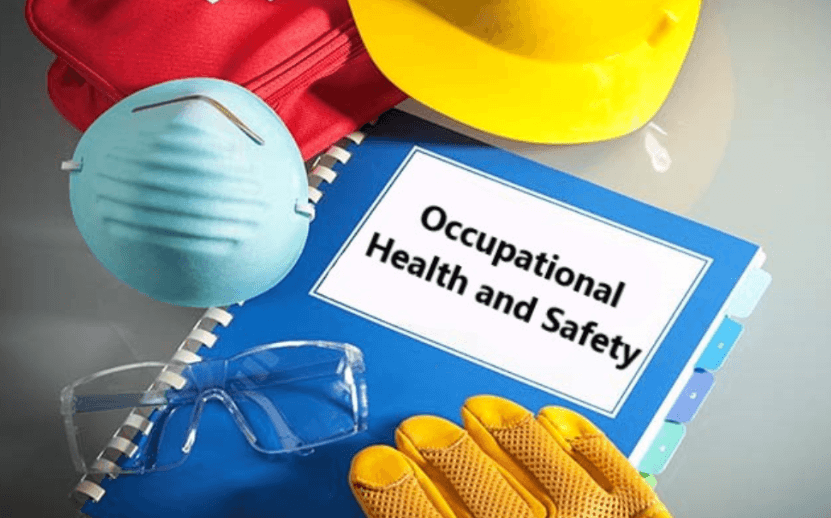
Creating a safe and healthy workplace requires more than responding to accidents after they occur. Organizations need a structured system for identifying hazards, controlling risks, involving employees, and continually improving workplace conditions. ISO 45001 provides this framework by helping businesses establish clear responsibilities, practical safety procedures, and measurable objectives.
Organizations of every size and industry can benefit from adopting a formal occupational health and safety management system. It can help reduce workplace injuries, improve legal compliance, strengthen employee confidence, and minimize operational disruption. Understanding the core requirements is therefore essential for any organization seeking to build a stronger and more proactive safety culture.
Leadership and Worker Participation
Strong leadership is one of the most important elements of an effective health and safety management system. Senior management must take responsibility for workplace safety and ensure that it is integrated into the organization’s wider strategy and daily operations.
Management should establish a clear occupational health and safety policy, assign responsibilities, provide adequate resources, and set measurable objectives. Leaders must also demonstrate through their decisions and actions that protecting employees is a genuine organizational priority.
Worker participation is equally important. Employees often have direct knowledge of the hazards associated with their tasks, equipment, and working conditions. They should be encouraged to report concerns, contribute to risk assessments, recommend improvements, and participate in safety-related decisions.
Consulting workers helps organizations identify practical risks that managers may otherwise overlook. It also creates a greater sense of responsibility and encourages employees to support the organization’s safety procedures.
Hazard Identification and Risk Assessment
Organizations must establish a consistent process for identifying workplace hazards and assessing the risks connected with them. Hazards may arise from machinery, equipment, chemicals, working methods, physical conditions, human behavior, or changes within the organization.
Risk assessments should consider how likely an incident is to occur and how serious its consequences could be. This allows the organization to prioritize risks and determine which controls should be implemented first.
Where possible, hazards should be eliminated completely. When elimination is not practical, organizations should consider substitution, engineering controls, administrative procedures, training, and personal protective equipment.
Risk assessments should not be treated as one-time activities. They must be reviewed whenever new equipment, materials, technologies, employees, or working methods are introduced. They should also be updated following incidents, near misses, regulatory changes, or significant operational developments.
Achieving iso 45001 certification requires a thorough understanding of these planning and risk assessment processes, as they form the foundation of a robust occupational health and safety management system.
Legal and Regulatory Compliance
Organizations must identify the occupational health and safety laws, regulations, codes, and other obligations that apply to their activities. These requirements may relate to employee protection, equipment safety, emergency planning, hazardous substances, training, reporting, and workplace conditions.
A process should be established for monitoring regulatory changes and evaluating whether the organization continues to meet its obligations. Responsibilities for compliance should be clearly assigned, and relevant information should be communicated to employees and other affected parties.
Maintaining legal compliance helps reduce the risk of penalties, legal disputes, operational restrictions, and reputational damage. It also demonstrates that the organization takes its responsibilities toward employees seriously.
See also: AI Receptionist Are Changing How Businesses Handle Calls
Health and Safety Objectives
Organizations should establish clear and measurable objectives that support their occupational health and safety policy. These objectives may include reducing workplace incidents, improving training completion rates, increasing hazard reporting, strengthening emergency preparedness, or addressing specific high-risk activities.
Each objective should include defined responsibilities, necessary resources, completion timeframes, and methods for measuring progress. Objectives should also be realistic and aligned with the organization’s risks and operational priorities.
Regularly reviewing these targets allows management to determine whether the safety system is delivering meaningful improvements rather than simply meeting administrative requirements.
Competence, Training, and Awareness
Employees must have the knowledge and skills needed to perform their work safely. Organizations should identify the competence required for each role and provide appropriate training, instruction, supervision, or experience.
Training may cover safe working procedures, equipment operation, hazard reporting, emergency response, personal protective equipment, and legal responsibilities. Additional training may be needed when employees change roles or when new processes, equipment, or materials are introduced.
Organizations should also evaluate whether training has been effective. Attendance alone does not confirm competence. Employees should be able to demonstrate that they understand relevant risks and can perform their responsibilities safely.
Awareness is another important requirement. Workers should understand the health and safety policy, the hazards connected with their work, the controls they must follow, and the consequences of ignoring established procedures.
Communication and Consultation
Effective communication ensures that employees, contractors, visitors, and other relevant parties receive accurate and timely health and safety information.
Organizations should determine what information needs to be communicated, when it should be shared, who should receive it, and which communication methods should be used. Information may be delivered through meetings, training sessions, notices, digital systems, safety briefings, or written procedures.
Communication should work in both directions. Workers must have clear and accessible ways to raise concerns, report hazards, suggest improvements, and provide feedback without fear of retaliation.
Consultation should occur before decisions are made that may affect workplace health and safety. This may include changes to equipment, working hours, procedures, facilities, organizational structures, or protective measures.
Operational Planning and Control
Once hazards and risks have been identified, organizations must establish operational controls to manage them. These controls may include safe work procedures, maintenance programs, equipment inspections, access restrictions, permit systems, workplace monitoring, and protective equipment requirements.
Controls should be appropriate to the level of risk and clearly communicated to the people responsible for following them. Employees must understand not only what actions are required but also why those actions are necessary.
Organizations should also consider risks associated with contractors, suppliers, outsourced processes, and visitors. External parties must be informed of relevant hazards and required to comply with applicable workplace rules.
Procurement decisions should take health and safety considerations into account. Equipment, products, and services should be assessed before purchase to ensure they do not introduce unnecessary risks.
Managing Organizational Change
Changes within an organization can create new hazards or increase existing risks. A formal process should therefore be used to assess the health and safety implications of planned and temporary changes.
Changes may include new technology, equipment, materials, personnel, facilities, working arrangements, or operational procedures. Organizational restructuring and changes to legal requirements should also be considered.
Potential risks should be assessed before changes are introduced. Necessary controls, training, communication, and supervision should be put in place to protect workers during and after the transition.
Emergency Preparedness and Response
Organizations must prepare for potential emergency situations that could affect employees, visitors, contractors, the public, or the environment.
Possible emergencies may include fires, chemical spills, equipment failures, medical incidents, natural disasters, explosions, or security threats. Response procedures should clearly explain what actions must be taken, who is responsible, how people will be evacuated, and how emergency services will be contacted.
Emergency plans should be tested through drills and practical exercises. The results should be reviewed to identify weaknesses and improve future responses.
Plans must also be updated when there are changes to the workplace, workforce, equipment, operations, or identified risks.
Performance Monitoring and Measurement
Organizations need reliable methods for determining whether their safety controls and procedures are working effectively. Performance should be monitored through both proactive and reactive measures.
Proactive measures may include workplace inspections, training completion, hazard reports, equipment checks, and employee participation. Reactive measures may include accidents, injuries, illnesses, near misses, property damage, and regulatory violations.
Relevant data should be collected, analyzed, and compared with established objectives. This helps management identify trends, recurring problems, and areas that require additional attention.
Monitoring equipment should be suitable for its intended purpose and properly maintained or calibrated where necessary.
Incident Investigation and Corrective Action
Workplace incidents, near misses, and nonconformities must be investigated promptly. The purpose of an investigation should be to identify underlying causes and prevent recurrence rather than simply assigning blame.
Organizations should examine the conditions, decisions, procedures, training, supervision, and control failures that contributed to the event. Immediate action may be needed to contain the risk, while longer-term corrective measures may be required to address its root causes.
Corrective actions should be assigned to responsible individuals, completed within appropriate timeframes, and reviewed to confirm their effectiveness.
Lessons from incidents should also be shared with relevant employees and applied to similar activities across the organization.
Internal Audits
Internal audits help determine whether the occupational health and safety management system is properly implemented and maintained.
Audits should be conducted at planned intervals and should cover relevant departments, processes, locations, and requirements. Auditors must remain objective and should not evaluate work for which they are directly responsible whenever this could affect impartiality.
Audit findings should be documented and communicated to management. Any weaknesses or nonconformities identified should lead to appropriate corrective action.
The audit program should consider the level of risk, previous performance, operational changes, and the results of earlier audits.
Management Review
Senior management must periodically review the overall effectiveness of the health and safety management system.
The review should consider performance data, audit results, incident trends, legal compliance, employee feedback, progress toward objectives, changing risks, and opportunities for improvement.
Management should use this information to decide whether changes are needed to policies, objectives, resources, controls, or responsibilities.
Regular management reviews ensure that workplace health and safety remains aligned with the organization’s direction and continues to receive appropriate leadership attention.
Documentation and Record Keeping
Organizations must maintain sufficient documented information to support the operation and effectiveness of their management system.
Documents may include policies, objectives, procedures, risk assessments, emergency plans, training materials, inspection records, audit findings, incident reports, and corrective action records.
Information should be accurate, accessible, protected from unauthorized changes, and regularly reviewed. Outdated documents should be removed from use or clearly identified to prevent confusion.
Effective record keeping provides evidence that required activities have been completed. It also supports audits, investigations, legal compliance, decision-making, and continual improvement.
Continual Improvement
Continual improvement is essential for maintaining a strong health and safety system. Organizations should regularly look for opportunities to improve workplace conditions, strengthen controls, and prevent incidents.
Improvements may be identified through audits, inspections, worker feedback, performance data, incident investigations, management reviews, or changes in technology and industry practices.
Organizations should not wait for an accident before taking action. A proactive approach allows risks to be addressed early and helps create a workplace where safety performance improves over time.
Conclusion
An effective occupational health and safety management system requires leadership commitment, employee participation, careful planning, risk control, performance monitoring, and continual improvement.
By identifying hazards, meeting legal obligations, consulting workers, maintaining accurate records, and evaluating performance, organizations can reduce workplace incidents and create safer conditions for everyone.
A well-managed system also provides wider business benefits, including improved employee confidence, fewer disruptions, stronger regulatory compliance, and a better organizational reputation. When health and safety becomes part of everyday decision-making, organizations are better positioned to protect their workforce and achieve long-term success.