Planning a Building Project: What to Consider Before Construction Begins
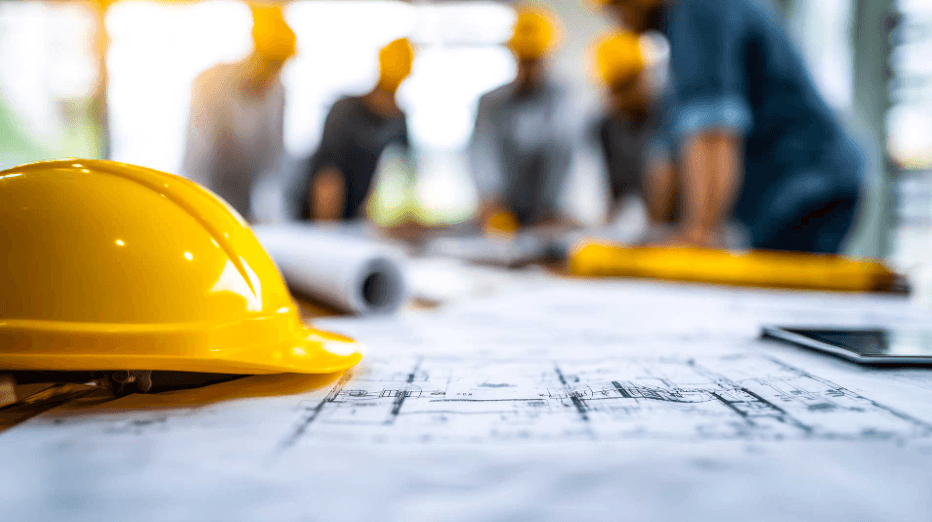
A successful building project begins long before construction workers arrive on site. Whether you are planning a new home, renovating an existing property, adding an extension, or improving a commercial building, decisions made during the early stages can influence cost, quality, timescales, and the finished result.
Construction projects involve numerous moving parts. Designs need to be practical, budgets need to reflect the actual scope of work, contractors need clear instructions, and different stages need to happen in the correct sequence.
Taking time to plan these details can reduce uncertainty and help create a more controlled construction process.
Define Exactly What You Want to Achieve
Every project should begin with a clear objective.
For a homeowner, that might mean creating an additional bedroom, improving an outdated kitchen, increasing accessibility, or constructing an entirely new property. A commercial property owner might need to reconfigure an existing space or complete more extensive construction work.
Think about both current and future requirements.
A family planning an extension, for example, should consider how the additional space will be used several years from now. A design that solves today’s space problem but creates another limitation later may not represent the best long-term investment.
Defining priorities early also helps contractors and designers understand which elements are essential and where there may be flexibility.
Establish a Realistic Budget
Construction budgets should account for more than the most visible parts of a project.
Materials and labour represent significant expenses, but projects can also involve professional fees, approvals, surveys, structural work, specialist installations, waste removal, temporary facilities, and finishing work.
Older properties can introduce additional uncertainty because some problems may only become apparent after work begins.
Creating a realistic budget means considering these possibilities rather than calculating only the expected construction cost.
A contingency can provide additional flexibility if legitimate unexpected work becomes necessary.
Understand the Condition of the Property
Renovations and extensions need to work with the building that already exists.
Before making major design decisions, it can be useful to understand the condition of the property and any limitations that could affect construction.
Structural condition, drainage, utilities, access, ground conditions, and existing materials can all influence how a project is approached.
For new construction, site conditions are equally important. Ground characteristics, access, neighbouring properties, drainage, orientation, and other factors can influence both design and construction.
Early investigation can prevent important decisions from being based on incorrect assumptions.
Develop a Clear Project Scope
A project scope describes what the contractor is expected to deliver.
The clearer this document is, the easier it becomes to compare quotations and understand responsibilities.
Instead of simply describing a project as a “home renovation,” the scope should establish which areas will be changed and what work is expected.
This might include structural alterations, electrical work, plumbing, plastering, flooring, decoration, windows, doors, heating, or other elements depending on the project.
Clear scope definition can also reduce disputes later because everyone has a better understanding of what was included in the original agreement.
Consider How the Project Will Affect Daily Life
Construction can significantly disrupt an occupied property.
Noise, dust, restricted access, temporary loss of rooms, and interruptions to utilities can affect everyday routines.
Homeowners should discuss these practical considerations before work begins.
Can the property remain occupied throughout construction? Will part of the home need to be isolated? Could temporary facilities be required? Are there particular times when access must be maintained?
Commercial projects have similar considerations.
Businesses may need to remain operational during construction, which can require phased work, controlled access, and careful scheduling.
Planning for disruption is usually easier than responding to it once construction has started.
Choose a Contractor With the Right Experience
Contractor selection is one of the most important decisions in a building project.
Price matters, but it should not be the only consideration.
Property owners should examine the types of projects a contractor normally completes and determine whether that experience corresponds with their own requirements.
A contractor experienced primarily in minor repairs may not be appropriate for a complex new build. Likewise, an extensive commercial construction company may not always be the best match for a relatively straightforward residential improvement.
Before appointing a contractor, property owners should compare their project’s requirements with the company’s actual construction capabilities. Reviewing the building services offered by ARN, for example, provides an overview of options covering custom build homes, extensions, renovations, home adaptations, and commercial projects.
Past projects can also provide useful evidence of experience. Look for examples that are reasonably comparable with the scale and complexity of the proposed work.
Understand the Construction Process
Many building projects follow a sequence in which one stage depends on the successful completion of another.
Groundworks may need to be completed before structural construction. Electrical and plumbing installations need to coordinate with walls, floors, and ceilings. Finishes should generally happen after work that could damage them has been completed.
Poor sequencing can create delays and unnecessary rework.
Ask how the contractor intends to manage different stages and trades.
For larger projects, having clear responsibility for coordination can make a significant difference. Without effective management, individual trades may complete their own tasks without considering how those tasks affect subsequent work.
See also: Business Acquisition Financing Canada: Funding a Successful Business Purchase
Consider Permissions and Compliance
Building work may be subject to planning requirements, building regulations, and other forms of approval.
The requirements depend on the location and nature of the project.
Property owners should establish which permissions are required before construction begins and clarify who is responsible for obtaining them.
Compliance should remain part of the project throughout construction rather than being considered only at the beginning.
Materials, structural details, insulation, electrical installations, fire safety measures, drainage, ventilation, and other elements may need to meet applicable standards.
Keeping documentation organised can also make the completion and handover process easier.
Think About Energy Performance
A major building project can provide an opportunity to improve energy performance.
Insulation, windows, heating systems, ventilation, and renewable technologies can all influence how efficiently a property operates.
These elements should ideally be considered during the design stage.
Adding energy improvements after major construction decisions have already been made can be more difficult and expensive.
Property owners should consider both initial costs and long-term performance when comparing options.
A solution with a higher upfront cost may sometimes provide benefits through lower energy consumption, improved comfort, or reduced maintenance.
Plan for Accessibility Where Appropriate
Accessibility can be an important consideration in both residential and commercial construction.
For homes, adaptations might support people with disabilities, mobility limitations, or changing requirements as they age.
Possible modifications can involve entrances, bathrooms, kitchens, circulation spaces, and access between different levels of the property.
Thinking about accessibility during a wider renovation can sometimes be easier than modifying a completed property later.
Even where immediate adaptations are not required, considering how a home might accommodate future needs can improve its long-term practicality.
Maintain Clear Communication
Many construction problems begin with misunderstandings.
Regular communication helps clients understand progress and gives contractors an opportunity to raise questions before they affect later stages.
Important decisions should be documented.
If a client requests a change, everyone should understand what is changing, whether additional work is required, how much it will cost, and whether the programme will be affected.
Informal conversations are useful for day-to-day coordination, but significant changes should have a clear written record.
This provides both the client and contractor with something to refer to if questions arise later.
Control Changes During Construction
It is common for ideas to change after construction begins.
A homeowner may decide to use different materials, change a layout, add electrical points, or modify finishes.
Individual changes can appear minor but may affect several stages of the project.
Moving a wall, for example, could influence electrical work, plumbing, flooring, decoration, and other elements.
Before approving a change, understand its effect on both price and schedule.
A structured change process helps prevent numerous small decisions from gradually pushing a project beyond its original budget.
Inspect Work at Important Stages
Quality control should happen throughout construction.
Waiting until the final day to inspect everything can make certain problems more difficult to correct.
Key stages can be reviewed as the project progresses. The appropriate checks will depend on the nature of the construction.
The contractor should also have procedures for monitoring workmanship and ensuring that completed work follows the agreed specifications.
Clients do not need to interfere with every construction task, but they should have a clear understanding of how quality is being controlled.
Prepare for Completion and Handover
The end of physical construction is not necessarily the end of the project.
Before final handover, the property should be reviewed for outstanding work and agreed corrections.
Owners should also receive relevant documentation associated with the completed project.
Depending on the work, this might include warranties, certificates, operating instructions, product information, or maintenance guidance.
Understanding maintenance requirements is particularly important.
A well-built property still needs ongoing care. Knowing how materials, equipment, finishes, and systems should be maintained can help protect the investment over the longer term.
Frequently Asked Questions
What should I do first when planning a building project?
Start by defining what you want the project to achieve. Consider your space requirements, budget, priorities, desired completion timeframe, and how the property may need to serve you in the future.
How should I choose a building contractor?
Compare experience, previous projects, services, communication, project management approach, and the clarity of the proposed scope. Price should be considered alongside these factors rather than in isolation.
Why is a detailed project scope important?
A detailed scope clarifies what work is included, helps contractors prepare more comparable quotations, and reduces the likelihood of disagreements about responsibilities later.
Should I include a contingency in my construction budget?
A contingency can be useful because some projects encounter legitimate unexpected costs, particularly renovations involving older buildings. The appropriate amount depends on the project and level of uncertainty.
Can I live in my home during a renovation?
It depends on the scale and nature of the work. Smaller renovations may allow continued occupation, while extensive structural work can make temporary accommodation more practical.
What is a turnkey construction service?
A turnkey approach generally involves one provider taking responsibility for managing multiple stages of the construction process through to completion. The exact services included should always be confirmed with the contractor.
Are home extensions easier than moving house?
An extension can provide additional space without relocating, but whether it is the better option depends on the existing property, available land, planning considerations, construction costs, and the owner’s long-term requirements.
Why is construction sequencing important?
Many trades depend on work completed by others. Proper sequencing helps reduce delays, conflicts, and situations where completed work needs to be removed or altered to accommodate another stage.
When should I discuss changes with my contractor?
Changes should be discussed before the affected work is carried out whenever possible. Confirm the effect on cost, schedule, materials, and other parts of the project before approving the change.
What should happen at the end of a construction project?
The completed work should be inspected, outstanding items addressed, and relevant documents provided. Owners should also understand warranties and maintenance requirements associated with the completed property.