Metal Fiber Laser Cutting Machine: Transforming Industrial Production with Precision
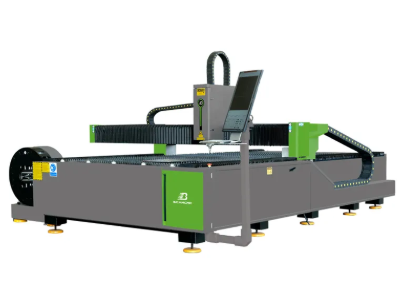
Metal fabrication continues to evolve as manufacturers look for ways to improve accuracy, reduce material waste, and meet demanding production schedules. A metal fiber laser cutting machine provides an effective solution by using concentrated laser energy and computer-controlled movement to cut metal into precise shapes. From customized components to high-volume manufacturing, this technology helps businesses improve workflow efficiency while maintaining consistent cutting quality across a variety of industrial applications.
How Does a Metal Fiber Laser Cutting Machine Work?
A fiber laser cutting machine generates a powerful beam of light through a fiber laser source. An optical system directs the beam onto the metal surface, where concentrated energy melts or vaporizes material along the intended cutting path. Assist gas removes molten material from the cut, helping create the required profile.
Most industrial systems use computer numerical control (CNC) technology to follow digital designs. Operators prepare a drawing, configure suitable cutting parameters, and allow the machine to execute the programmed movements. This process supports the production of straight edges, intricate curves, small holes, and complex component outlines.
Depending on the machine’s specifications, fiber laser systems can process carbon steel, stainless steel, aluminum, brass, and other compatible metals. The achievable thickness and cutting speed depend on laser power, material properties, gas selection, and the required edge quality.
Why Manufacturers Choose Fiber Laser Cutting
1. Consistent Cutting Accuracy
Precision matters when metal components must fit together during assembly. Fiber laser cutting can produce detailed shapes and narrow cutting paths, helping manufacturers meet dimensional requirements. Appropriate calibration and process control are essential for maintaining consistent results.
2. Improved Production Efficiency
Automated cutting reduces the need for repeated manual measurements and mechanical cutting operations. Once a program is established, the machine can produce multiple parts according to the same digital specifications. This is especially useful for businesses manufacturing repeated components or handling complex orders.
3. More Efficient Material Use
Metal sheets can represent a substantial production expense. Nesting software arranges component designs to make better use of available sheet space, reducing unnecessary gaps and leftover scrap. Better material utilization can contribute to lower costs over time, particularly in large production runs.
4. Greater Design Flexibility
Traditional cutting processes may require dedicated tooling for specific shapes. Fiber laser systems can often switch between designs by loading a different program, making them suitable for custom parts, prototypes, and changing customer requirements.
5. Potentially Lower Finishing Requirements
When the correct settings are used, laser cutting can produce clean edges that require less additional processing. However, edge quality varies with material thickness, cutting speed, assist gas, and machine condition. Manufacturers should test representative parts before establishing production standards.
Applications Across Different Industries
Metal fiber laser cutting machines are used in numerous sectors that depend on accurately fabricated components.
Automotive production: Manufacturers use laser-cut parts for brackets, mounting plates, panels, and other metal components that require consistent dimensions.
Construction and infrastructure: Fabricators produce connection plates, metal supports, architectural components, and parts for industrial structures.
Electrical manufacturing: Laser cutting helps create control cabinet enclosures, electrical panels, equipment housings, and mounting components with accurately positioned openings.
Agricultural machinery: Equipment producers can manufacture frames, protective covers, brackets, and replacement parts from suitable sheet metals.
Furniture and interior design: Decorative screens, metal furniture frames, shelving, and customized architectural features benefit from flexible digital cutting.
General engineering: Job shops use fiber laser systems to manufacture customized components for machinery, industrial equipment, and a variety of commercial products.
Factors to Consider Before Purchasing
Selecting the right machine begins with a clear understanding of the materials and components your business produces.
First, identify the types and thicknesses of metal you cut most frequently. A workshop processing thin stainless steel sheets may have different requirements from a factory cutting thicker carbon steel plates.
Next, compare laser power and expected productivity. Higher power can improve processing capabilities for suitable materials, but the most powerful machine is not necessarily the most economical choice for every application.
The working area should accommodate your typical sheet sizes and allow practical loading and unloading. Also consider CNC software, cutting-head quality, cooling requirements, electrical consumption, and compatibility with existing production systems.
Supplier support deserves equal attention. Ask about installation, operator training, warranty terms, spare parts, maintenance procedures, and technical assistance. HS Laser provides industrial laser equipment for manufacturing applications, and interested buyers can review its metal fiber laser cutting machine range to identify configurations that match their requirements. Confirm current specifications and request sample cutting tests before placing an order.
Maintenance and Workplace Safety
Regular maintenance supports reliable performance and helps reduce unexpected interruptions. Follow the manufacturer’s schedule for inspecting protective lenses, cutting nozzles, cooling systems, optical components, and electrical connections.
Operators must also follow suitable laser safety procedures. Depending on the equipment, protective measures may include enclosed cutting areas, interlocks, warning indicators, appropriate protective eyewear, and effective extraction systems for smoke and airborne particles. Proper training is essential before operating industrial laser equipment.
Routine inspections and accurate maintenance records help identify wear early and keep the machine operating within its specified limits.
See also: Business Acquisition Financing Canada: Funding a Successful Business Purchase
Conclusion
A metal fiber laser cutting machine offers manufacturers a flexible way to produce accurate metal components while improving automation and material utilization. Its versatility makes it valuable across automotive, construction, electrical, agricultural, and general fabrication industries. By evaluating cutting requirements, machine specifications, operating costs, safety measures, and after-sales support, businesses can make an informed investment that supports efficient production and long-term growth.