Why a Large Ficus Bonsai Tree Can Transform Premium Outdoor Spaces
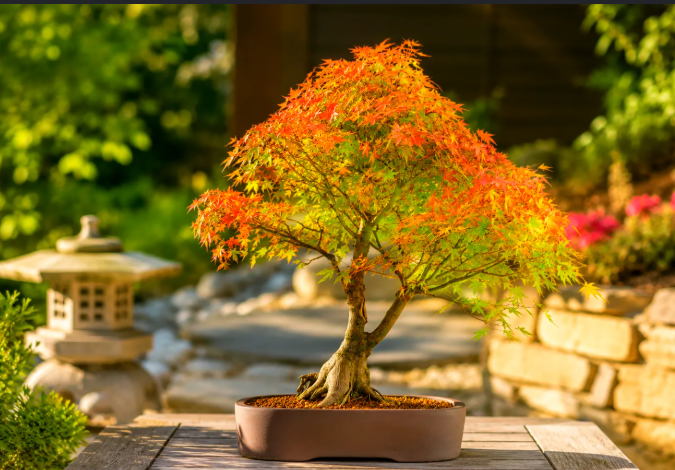
A mature landscape often needs a signature element that gives the entire space identity. A large ficus bonsai tree can provide that distinction by combining substantial size, artistic training, evergreen foliage, and an unusual aerial-root structure. Wulala Garden’s approximately 4.5-meter Ficus microcarpa is developed with a layered canopy and banyan-style root formation, making it an impressive option for luxury gardens, resorts, villas, golf courses, parks, and other large outdoor environments.
More Than an Ornamental Tree
Large landscape trees are often selected simply for shade or greenery, but a professionally trained Ficus bonsai can perform several roles at once. Its trunk becomes a structural feature, its canopy adds height, and its roots create visual interest close to ground level.
The Wulala Garden specimen has a multi-root structure and layered canopy designed to create a distinctive banyan-style appearance. The combination gives the tree a mature and established character that can be difficult to achieve with conventional young landscape trees.
This makes it particularly useful when a designer wants a landscape centerpiece rather than another plant within a larger collection.
Creating a Memorable Focal Point
A focal point helps organize the visual experience of a garden. When visitors enter a property, their attention naturally moves toward prominent forms, unusual textures, and strong vertical elements. A large Ficus bonsai can fulfill this role without relying on flowers or seasonal color.
Its aerial roots provide an especially distinctive feature. These roots develop above the soil and eventually contribute to the substantial trunk structure associated with the Ficus microcarpa. Wulala Garden states that its large Ficus bonsai trees are carefully pruned and trained over time to develop multi-tiered canopies while supporting healthy growth.
For landscape architects, this combination of root structure and canopy can add depth to courtyards, entrances, pathways, and open lawns.
An Excellent Match for Hospitality Landscapes
Hotels and resorts frequently depend on landscaping to establish atmosphere. Guests may associate a property with its gardens, entrance planting, poolside greenery, or outdoor relaxation areas.
A large Ficus bonsai can introduce a tropical and sophisticated character into these environments. The product is specifically described as suitable for commercial properties, eco-friendly resorts, luxury outdoor venues, and hospitality grounds. Its dense evergreen foliage can maintain a green appearance throughout the year under suitable growing conditions.
Placed near an entrance, the tree can create a strong first impression. Positioned beside an outdoor lounge or garden walkway, it can instead provide a sense of enclosure and visual continuity.
Bringing Character to Residential Properties
Large residential gardens can also benefit from a substantial specimen tree. Instead of filling an expansive courtyard with numerous competing features, homeowners can use one carefully positioned Ficus bonsai as the central landscape element.
Its size makes it appropriate for luxury estates and spacious private courtyards, while the trained canopy provides a sense of design and order. The aerial-root formation can also complement natural stone, water features, pathways, and minimalist architectural styles.
Because the tree already possesses a developed form, it can contribute immediately to the visual maturity of a newly designed landscape.
Understanding Its Growing Requirements
Choosing the right location is essential for maintaining the appearance and health of a large Ficus bonsai. Wulala Garden recommends full sun for this particular tree, with at least six hours of direct sunlight each day. During the initial transplantation period, watering every two to three days is recommended while keeping the soil moist but not waterlogged. After establishment, watering can be reduced according to seasonal conditions and soil moisture.
The product information lists 18–35°C as the optimal growth temperature and identifies USDA zones 9–11 as suitable for outdoor planting. These conditions should be considered before installation, particularly for projects located outside tropical or subtropical climates.
Supporting Long-Term Landscape Value
Regular pruning and appropriate nutrition help maintain the tree’s intended form. Wulala Garden recommends organic compost as a base fertilizer and slow-release 10-10-10 fertilizer during the growing season. Its product information also notes that the canopy can be shaped according to specific landscape requirements.
This potential for customized shaping can be useful when a landscape design requires a particular canopy height, direction, or visual balance.
Ultimately, a large Ficus bonsai tree is valuable because it combines horticulture with landscape artistry. Its impressive height, evergreen foliage, aerial roots, sturdy trunk, and trained canopy allow it to become an enduring centerpiece rather than simply another planting. For luxury residences, hospitality properties, golf courses, public gardens, and major landscape projects, it can add natural character while giving the overall design a distinctive sense of scale and permanence.