From Sconces to Statement Chandeliers: What Resin Makes Possible
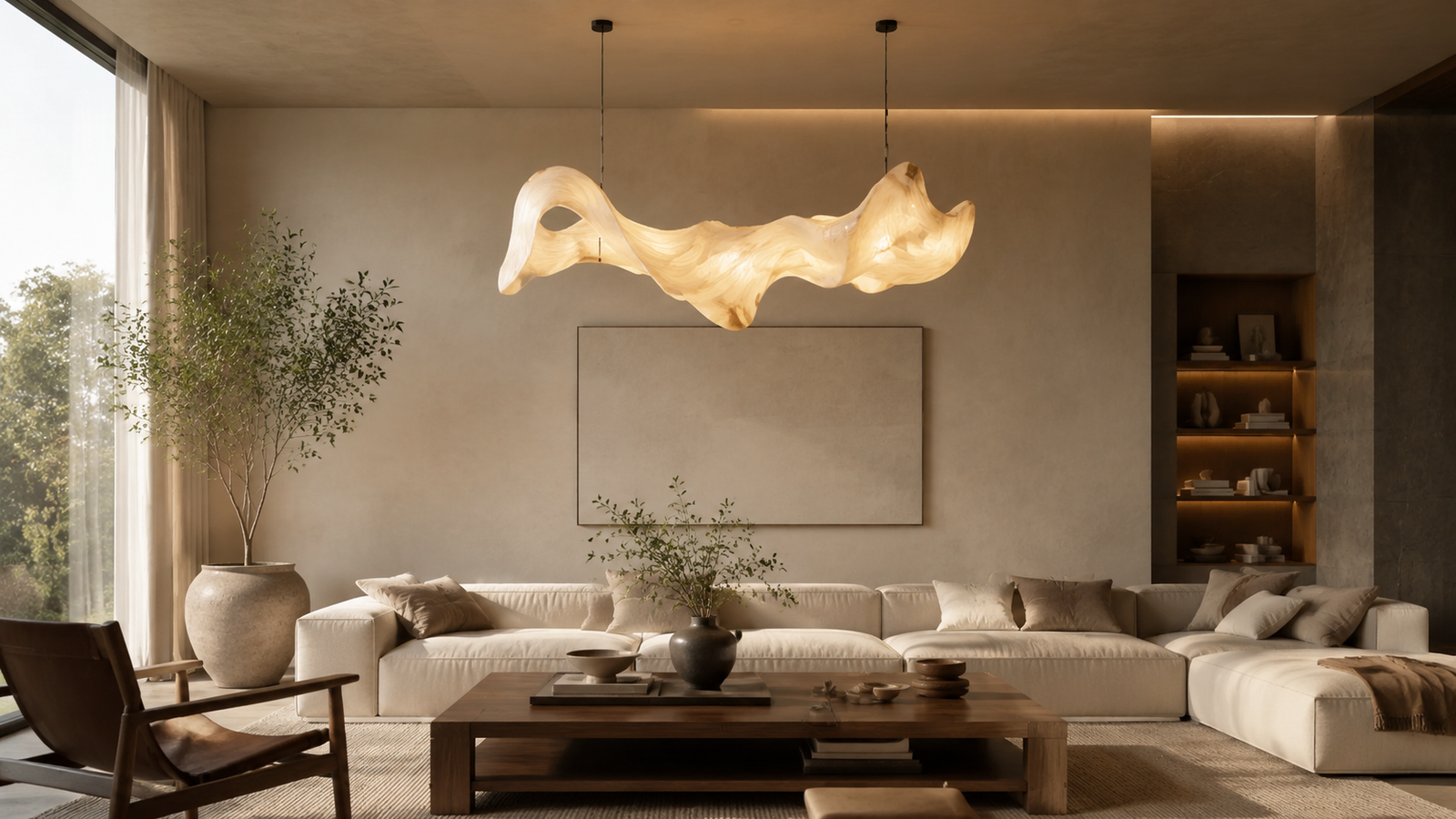
Lighting has always played an important role in interior design, but its purpose has evolved beyond simple illumination. Today, designers increasingly view lighting fixtures as sculptural elements that shape the atmosphere, balance the proportions, and enhance the character of a space.
A successful lighting piece is not only about providing comfortable illumination. It also needs to interact with furniture, architecture, and the overall design language of the room. This shift has led to the rise of sculptural lighting, where fixtures become artistic expressions rather than purely functional objects.
However, traditional lighting materials often come with design limitations. Natural stones such as marble and alabaster offer unique textures and timeless beauty, but creating complex shapes, oversized structures, or unconventional forms can be challenging due to material constraints.
Resin lighting introduces a new possibility for modern designers. By allowing greater control over shape, texture, and visual expression, resin makes it possible to create lighting pieces that move beyond traditional forms and become true architectural details within a space.
Resin Design Freedom: Expanding the Possibilities of Lighting Design
Natural materials have always been an important part of luxury lighting design. Marble and alabaster are admired for their organic textures, unique patterns, and premium appearance, making them popular choices for high-end residential and hospitality spaces.
However, when designers want to explore more experimental directions, traditional materials can sometimes limit creative possibilities. Large-scale forms, flowing curves, layered structures, and unconventional silhouettes often require materials that can adapt to more flexible design approaches.
Resin changes the relationship between material and design. Instead of simply replicating the appearance of natural materials, resin provides designers with a broader creative language. Through controlled shaping, coloring, and surface treatments, resin lighting fixtures can achieve more expressive forms and refined visual details.
This design flexibility allows lighting to become more than a decorative object. It gives designers the freedom to create fixtures that feel architectural, artistic, and deeply connected to the surrounding space.
For this reason, resin has become an important material in the development of modern sculptural lighting. It allows designers to focus not only on what a light fixture is made from, but also on what emotions and experiences it can create within a room.
Sculptural Wall Sconces: Turning Walls Into Artistic Details
Wall sconces have traditionally been used as supporting light sources, providing additional illumination for bedrooms, hallways, and living spaces. However, modern interior design is changing the way people view wall lighting.
Today, wall sconces are increasingly treated as architectural details. Even when the light is turned off, the fixture itself needs to contribute to the visual identity of the space through its shape, texture, and presence.
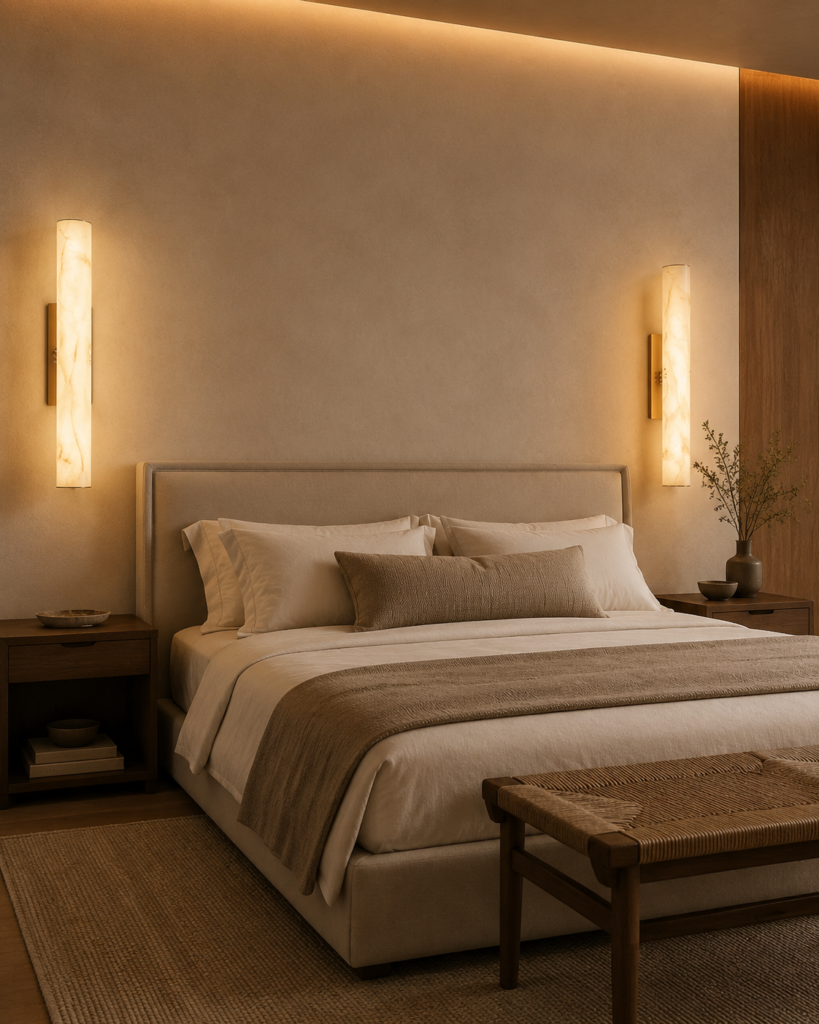
Resin wall sconces are especially suitable for this design approach because the material allows designers to create organic silhouettes, translucent surfaces, and layered textures that transform ordinary walls into artistic features.
When illuminated, translucent resin can create a softer visual experience by allowing light to interact with the material surface. The result is not only functional lighting, but also a subtle play of shadows and atmosphere that enhances the entire room.
A sculptural resin wall sconce can become a meaningful design element in different spaces, from bedside areas and entryways to hallways and living rooms. Instead of simply adding light to a wall, it becomes part of the wall’s overall artistic expression.
This approach represents a broader shift in modern lighting design: fixtures are no longer hidden functional components, but carefully considered elements that contribute to the personality and emotion of a home.
Statement Chandeliers: Creating a Visual Centerpiece
While wall sconces focus on creating detailed moments within a space, chandeliers often define the overall visual direction of a room. In modern interior design, a statement chandelier is no longer simply a source of overhead lighting. It has become a centerpiece that helps establish proportion, atmosphere, and architectural character.
In open-concept homes, dining areas, and high-ceiling interiors, lighting fixtures play an important role in creating a sense of balance. A carefully designed chandelier can draw attention to a specific area while connecting different elements of the room together.
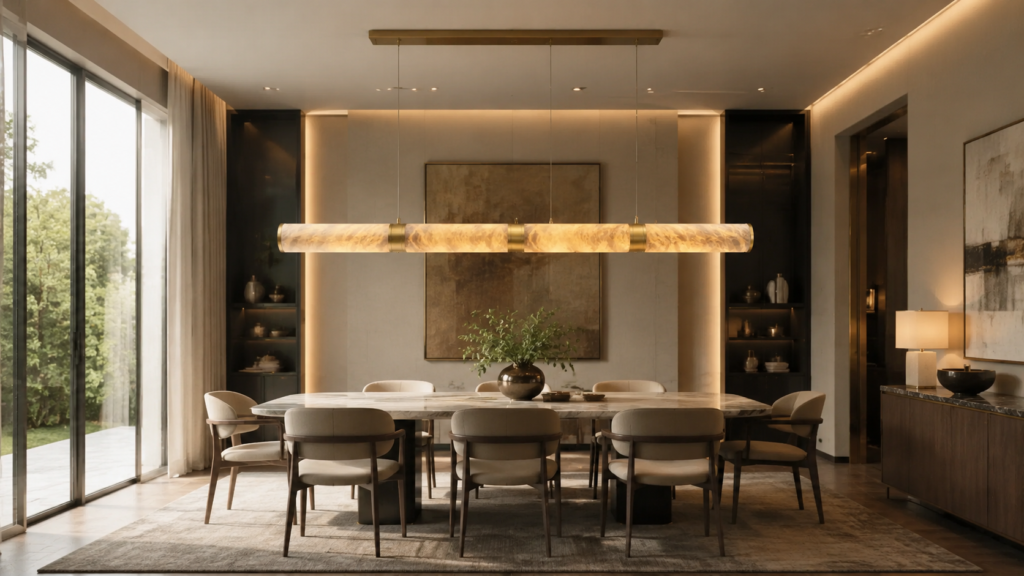
Resin allows designers to explore more expressive chandelier forms through unique shapes, layered compositions, and artistic proportions. Instead of following traditional lighting structures, resin chandeliers can become sculptural installations that create a stronger visual relationship with the surrounding architecture.
A statement chandelier designed with resin elements can transform a dining room or living space into a more memorable environment. It does not simply illuminate the room; it defines the atmosphere and becomes an important part of the interior identity.
This evolution reflects a broader trend in modern lighting design. The most impactful fixtures are no longer designed only around function, but around how they interact with the space, furniture, and people who experience them.
Large-Scale Lighting Without Design Limitations
As residential architecture continues to embrace open layouts and higher ceilings, large-scale lighting has become an increasingly important element in modern interiors. Oversized fixtures can create dramatic visual impact while adding structure and personality to expansive spaces.
In the past, many large artistic lighting pieces were primarily found in hotels, commercial environments, or luxury developments. The challenge was not the demand for bold design, but the difficulty of creating large fixtures while maintaining practical installation and visual balance.
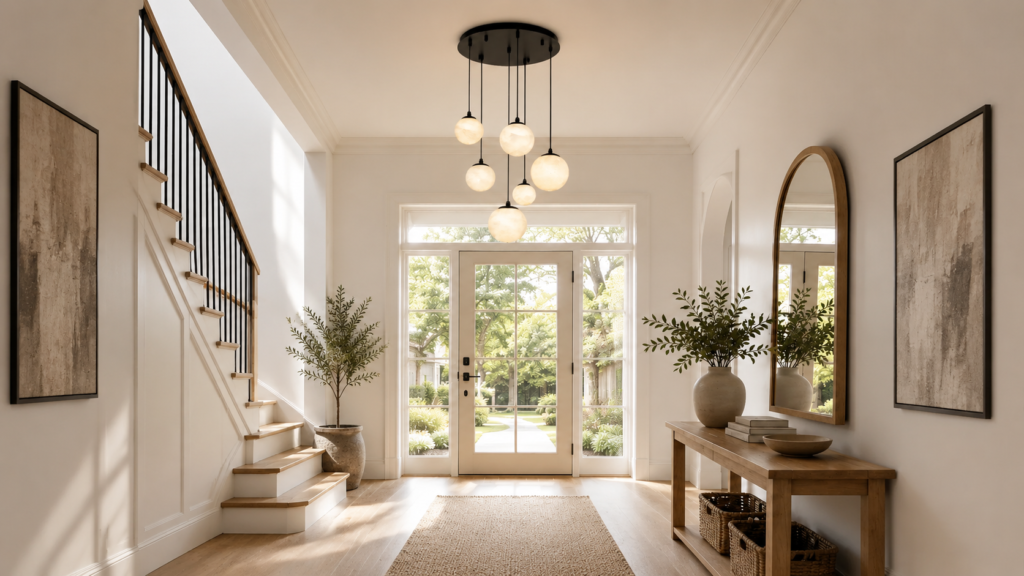
Resin lighting expands the possibilities for large-scale design by allowing designers to create dramatic forms with greater flexibility. This makes it easier to introduce artistic lighting concepts into residential spaces without limiting creativity to traditional shapes or proportions.
From a large chandelier in a high-ceiling living room to a sculptural fixture above a dining table, resin allows lighting to become an architectural feature that enhances the identity of a space.
Large-scale lighting is no longer only about filling a large area. The most successful designs use size, shape, and light together to create an emotional connection between the fixture and the surrounding environment.
Bringing Sculptural Lighting Into Everyday Homes
The value of great lighting design ultimately comes from how naturally it integrates into everyday life. While artistic lighting can create a strong visual impression, the most successful pieces are those that combine creative expression with the comfort and practicality required in real homes.
Resin lighting represents this balance between art and function. It allows homeowners to introduce distinctive forms, refined textures, and atmospheric illumination into spaces that are used every day.
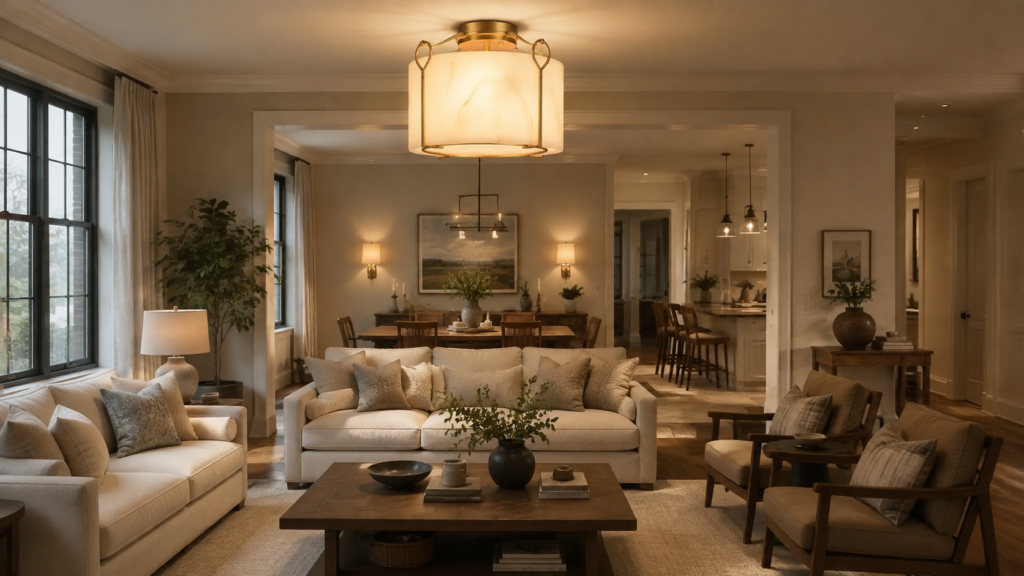
Whether used as a bedroom wall sconce, a dining room chandelier, or an entryway statement piece, resin lighting can help create interiors that feel more personal and thoughtfully designed.
The future of residential lighting is moving beyond simple illumination. Homeowners are increasingly looking for pieces that reflect their style, enhance their surroundings, and bring a sense of artistry into daily living.
The Future of Lighting Design: Where Material, Light, and Form Meet
The evolution of lighting design is not only about choosing new materials. It is about discovering how materials can create new relationships between light, form, and space.
Earlier discussions around resin lighting focused on two important ideas: how resin can provide an alternative approach to natural stone aesthetics, and how translucent resin can create softer and more atmospheric illumination. The next step is understanding how this material freedom enables designers to create entirely new lighting forms.
By combining control over material, light diffusion, and sculptural shape, resin allows designers to develop fixtures that are both functional and artistic. From sculptural wall sconces to statement chandeliers, resin lighting continues to expand the possibilities of modern interior design.
For homeowners and designers interested in exploring how this material can create more artistic lighting forms, sculptural resin lighting demonstrates how modern materials can redefine the relationship between light, space, and design.
Great lighting is ultimately not only about what a fixture looks like, but how it transforms the way people experience a space.