Why Translucent Resin Lighting Creates a Softer and More Atmospheric Glow
In modern home design, lighting is no longer just a functional element that provides basic illumination. Today, homeowners and interior designers are paying more attention to how lighting affects the atmosphere, comfort, and overall feeling of a space.
A well-designed light fixture does more than brighten a room. The material of the fixture plays an important role in controlling how light travels, how shadows appear, and how the entire space feels.
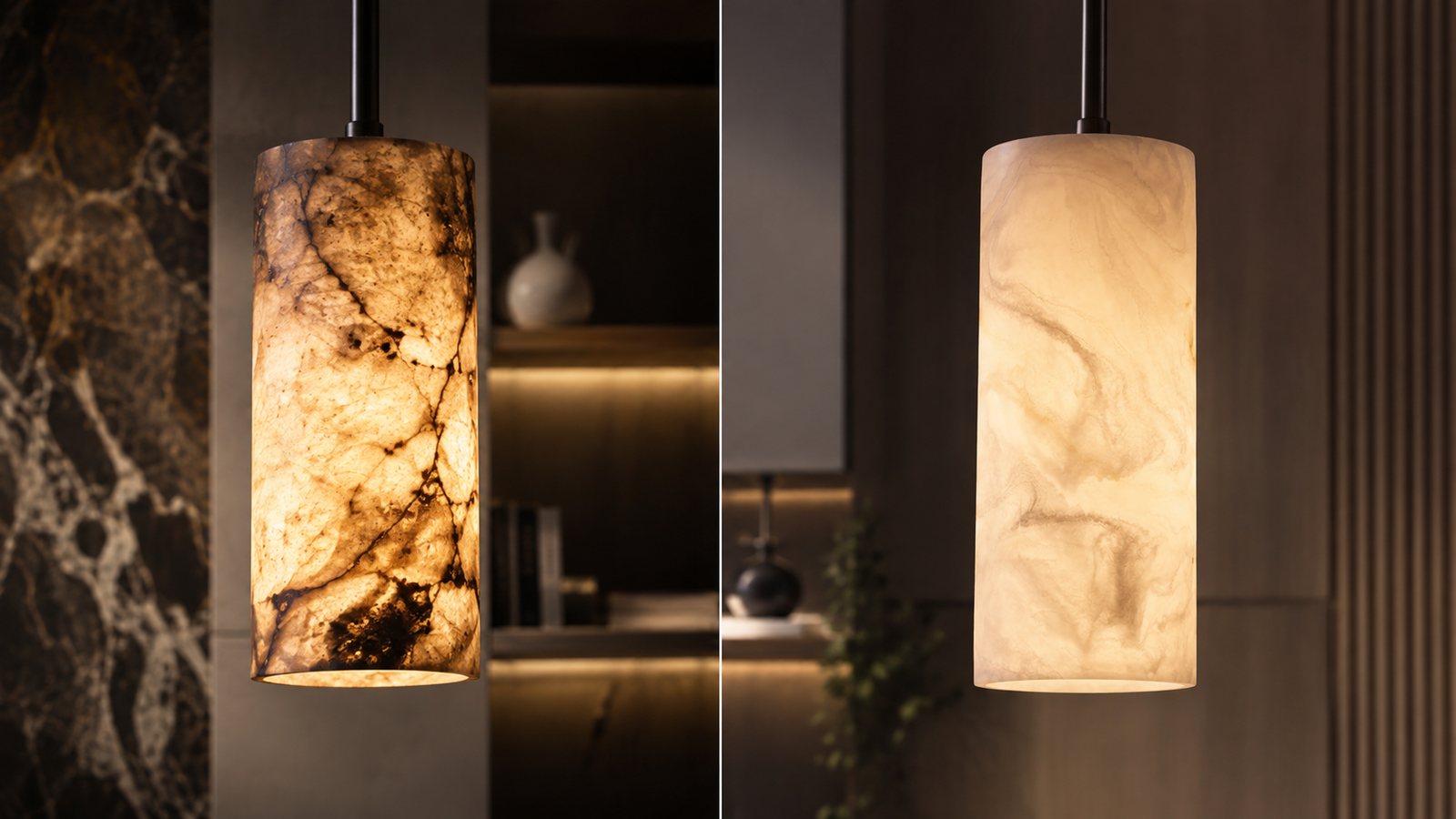
This is why translucent resin lighting has become an increasingly popular choice for contemporary interiors. By combining flexible material properties with controlled light diffusion, resin lighting fixtures can create a softer and more balanced lighting experience.
Unlike traditional materials that rely mainly on natural characteristics, resin allows designers to explore more possibilities in both appearance and lighting performance.
How Lighting Materials Affect the Quality of Light
When choosing lighting fixtures, many homeowners focus mainly on the visible elements, such as the shape, color, and size of the fixture. However, the material behind the design is one of the most important factors that determines the final lighting effect.
Different materials interact with light in different ways. Some materials emphasize natural texture and visual character, while others are designed to control light transmission and create a softer atmosphere.
Natural stone materials, especially marble, have been used in luxury interiors for decades. Marble light fixtures are appreciated for their unique patterns, elegant appearance, and natural beauty.
Every piece of marble has its own characteristics because the material is formed naturally over time. Variations in mineral composition, density, and internal structure create different textures and levels of transparency.
However, this natural uniqueness also means that marble lighting requires careful material selection. Not every piece of marble is suitable for lighting applications. Designers often need to select stone with the right thickness, texture, and light transmission properties to achieve the desired effect.
Natural Marble vs Resin: Two Different Approaches to Light Design
The biggest attraction of natural marble comes from its authenticity. Each piece contains unique patterns, color variations, and textures that cannot be exactly replicated.
This natural character gives marble lighting a timeless and luxurious appearance, making it a popular choice for high-end residential spaces.
However, natural marble also has limitations when it comes to controlling lighting performance. Since the patterns and internal structure are naturally created, designers cannot fully control where the material will transmit more or less light.
The final lighting effect depends heavily on the characteristics of the individual stone piece.
Resin lighting fixtures provide a different approach. Instead of relying entirely on natural variations, resin allows designers to actively shape the appearance and performance of the material.
Because resin is a manufactured composite material, designers can adjust its transparency, color, surface patterns, and light diffusion characteristics during production.
The stone-inspired textures seen in many resin lighting designs are created through controlled coloring, molding techniques, and surface treatments rather than naturally occurring patterns.
This gives designers more flexibility to create specific visual effects, including smoother light distribution, softer illumination, and lighting solutions designed for different interior environments.
Why Translucent Resin Lighting Creates a Softer Glow
The true advantage of resin lighting is not simply that it can imitate the appearance of natural stone. Its greater value comes from the way it allows designers to control the relationship between material and light.
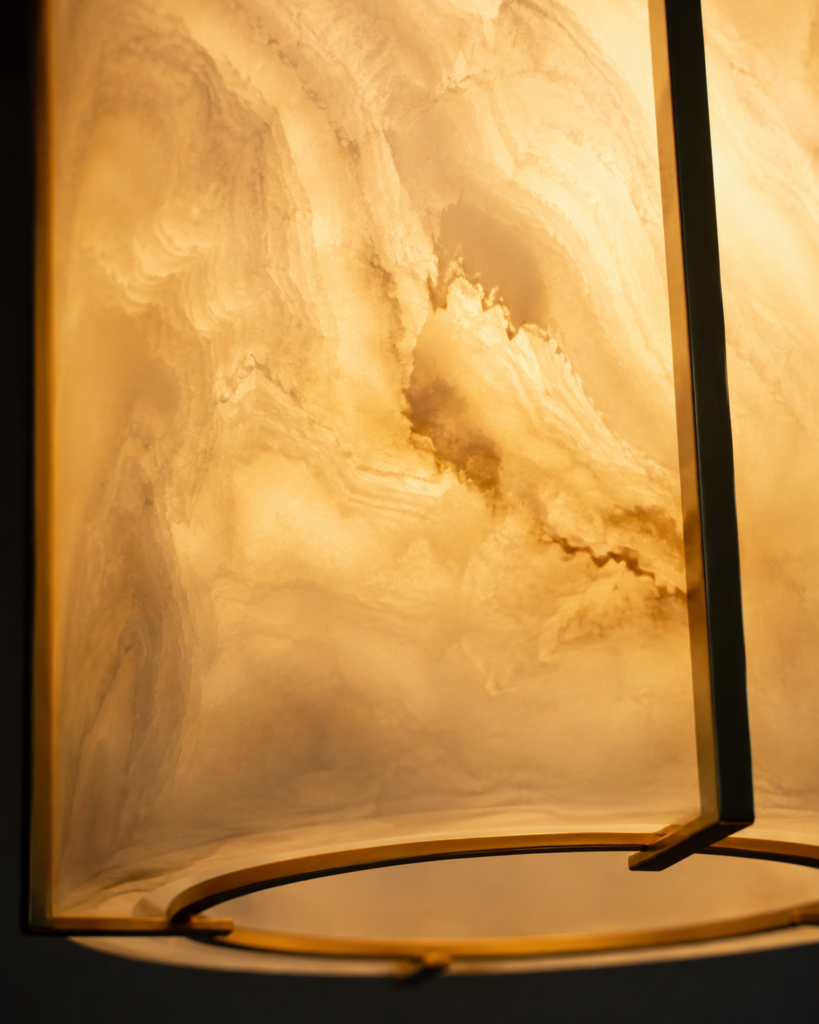
Because resin has excellent light transmission properties, illumination can pass through the material surface and become naturally diffused instead of exposing a direct light source.
This creates a softer visual experience by reducing harsh brightness, strong contrasts, and uneven light distribution. The result is a more comfortable and balanced atmosphere that feels natural within modern living spaces.
This is why translucent resin lighting is often used in residential interiors where lighting quality is just as important as the fixture design itself.
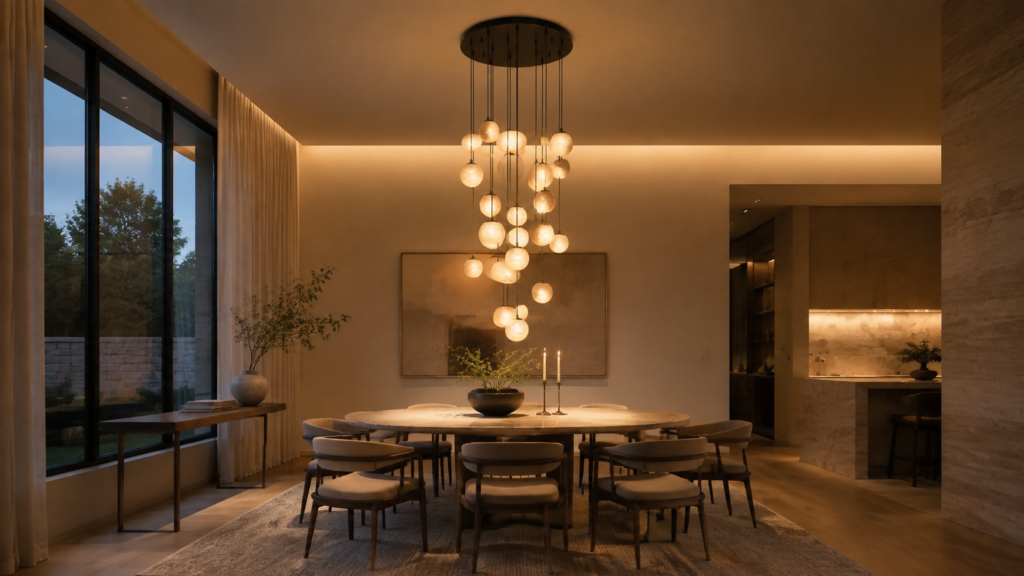
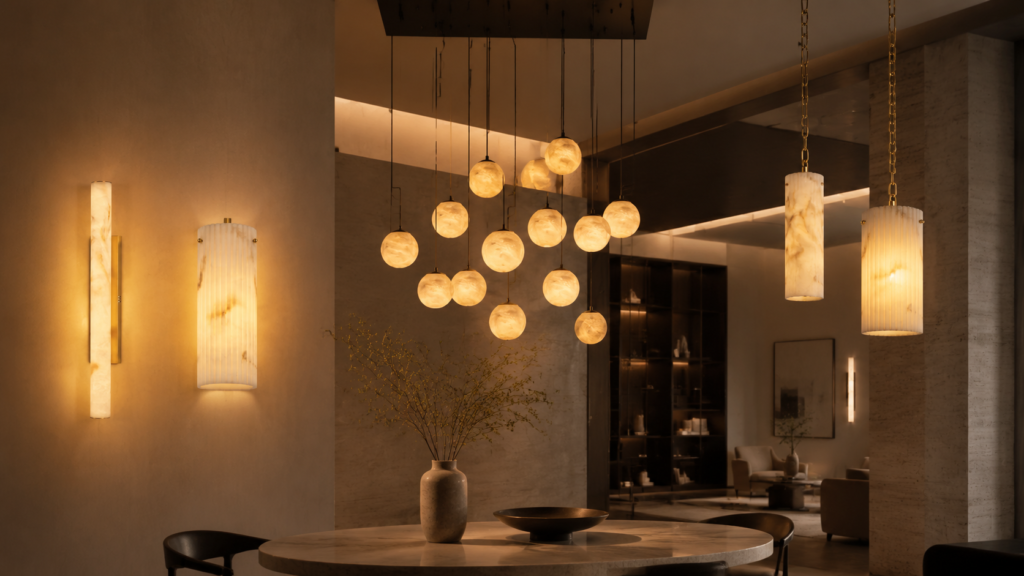
In dining rooms, resin pendant lights can create a warm gathering atmosphere above the table. In bedrooms, resin wall sconces can provide a relaxing glow without overwhelming the space. For entryways and living areas, resin lighting fixtures can add depth and softness while enhancing the overall interior design.
Creating Different Atmospheres Through Resin Lighting Fixtures
Lighting has the ability to influence how people experience a room. The same space can feel completely different depending on how light is distributed and how materials interact with illumination.
With resin lighting fixtures, designers have more flexibility to create specific moods because both the appearance of the material and its light diffusion characteristics can be carefully controlled.
A softly illuminated resin pendant light can make a dining area feel warmer and more inviting, while a subtle resin ceiling light can create a calm and comfortable atmosphere in bedrooms or relaxation spaces.
Unlike traditional lighting materials that mainly rely on natural variations, resin allows designers to develop lighting solutions that better match different interior styles and functional requirements.
Resin Lighting Fixtures: Combining Light Performance and Design Freedom
Another important advantage of resin is its ability to support more creative lighting designs.
Natural stone materials are often limited by weight, thickness, and processing requirements. Resin, however, provides designers with greater freedom to explore different shapes, structures, and artistic forms.
When designers can control both the texture of the material and the way light passes through it, a lighting fixture becomes more than a source of illumination. It becomes an architectural and decorative element within the space.
This is why modern interiors are increasingly incorporating sculptural resin lighting designs, including artistic wall sconces, statement chandeliers, and unique pendant fixtures.
From subtle ambient lighting to bold decorative pieces, resin allows lighting designers to create products that combine visual impact with practical performance.
Why Modern Homes Are Choosing Resin Lighting Fixtures
Modern homeowners are increasingly looking for lighting solutions that offer more than basic illumination. They want products that improve the atmosphere of their homes, complement interior design, and provide a more personalized experience.
Natural marble lighting continues to represent timeless elegance and the beauty of authentic materials. However, resin lighting fixtures offer a different advantage by providing greater flexibility in design, texture, and light performance.
For homeowners who value contemporary design, comfortable lighting, and unique interior details, resin lighting provides a balance between artistic expression and everyday practicality.
The Future of Atmospheric Lighting Design
The future of home lighting is moving beyond simple brightness. More attention is being placed on how materials shape light, how fixtures influence emotions, and how lighting contributes to the overall feeling of a space.
Marble lighting fixtures will continue to be appreciated for their natural beauty and timeless character. At the same time, resin lighting fixtures are opening new possibilities by allowing designers to create more controlled, adaptable, and atmospheric lighting experiences.
As modern interiors continue to focus on comfort, individuality, and artistic expression, translucent resin lighting is becoming an increasingly important direction in contemporary lighting design.