How to Make Outdoor Travel Events More Attractive and Memorable
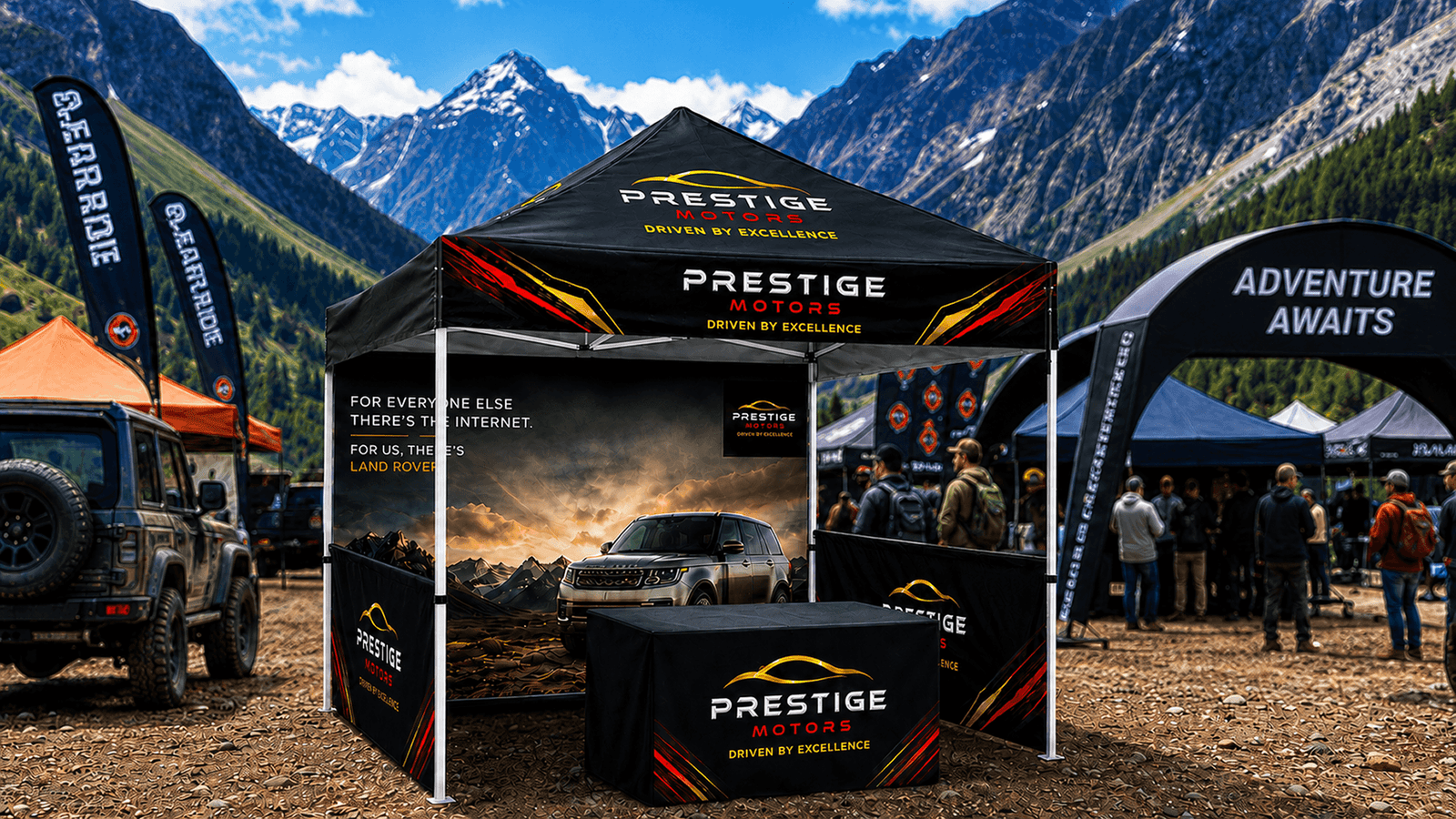
Outdoor travel events give tourism businesses a valuable opportunity to turn destinations into experiences. Regional tourism fairs, cultural festivals, travel showcases, local markets, and destination promotions allow visitors to discover places in a more personal and interactive way.
However, an outdoor event has to compete with dozens of surrounding attractions for attention. A plain table, a few brochures, and a small banner can easily disappear in a busy event environment. Organizers and travel vendors need a setup that is visible, comfortable, easy to explore, and memorable enough for visitors to remember the destination after they leave.
Here are practical ways to modernize an outdoor travel event without making the setup unnecessarily complicated.
Create a Destination, Not Just a Booth
A travel booth should give visitors a small preview of the experience being promoted.
Instead of arranging everything around one sales table, divide the available space into simple zones. The front can introduce the destination, the center can be used for conversations or demonstrations, and the back can feature large destination imagery.
For example, a coastal tourism booth could use beach photography, light-colored graphics, and shaded seating. A mountain destination could feature trail imagery, regional maps, and an adventure-focused backdrop.
The objective is to make the booth visually communicate the destination before a visitor even speaks with a representative.
Use Branded Shade as Part of the Experience
Shade is both a practical feature and a branding opportunity at outdoor events.
Strategically positioned custom printed umbrellas can create comfortable areas where visitors can sit, browse travel brochures, speak with representatives, or take a break from walking around the event.
Instead of treating umbrellas as separate accessories, incorporate their printed panels into the overall visual identity of the booth. Destination colors, logos, tourism campaign graphics, or simple travel-inspired imagery can extend the branding above eye level.
This is particularly useful at country fairs, tourism festivals, farmers’ markets, and regional outdoor events where visitors may spend several hours moving between exhibitors.
Make Your Graphics Visible From a Distance
Outdoor events are visually busy. Visitors are surrounded by tents, signs, flags, merchandise, food stalls, and other attractions.
Your booth therefore needs one strong visual message that can be understood before someone reaches it.
Use large destination photography and short messaging rather than filling every surface with small text. A visitor walking past should quickly understand:
- Which destination or travel service you represent
- What type of experience you offer
- Why they should stop
- Where they can get more information
Full-surface graphics can turn structural elements into advertising space. Instead of adding several small signs, use the available printed surfaces to create one coordinated visual identity.
Build a Strong Visual Backdrop
Once visitors enter the booth, give them a focal point.
Portable tension fabric displays can be useful for creating branded backdrops for travel photography, destination maps, campaign messages, presentations, or photo areas where the event environment permits their use.
Large-format fabric graphics can show scenic landscapes at a scale that smaller posters cannot achieve. A tourism board might feature a panoramic mountain view, while a resort could display its beachfront, rooms, or signature attractions.
A backdrop also helps visually separate your presentation from neighboring stalls, giving the booth a more defined identity.
For outdoor use, always confirm that the display system is appropriate for the location and conditions and follow the manufacturer’s setup and stability requirements.
Turn Visitors Into Participants
People tend to remember experiences more easily than sales pitches.
Give attendees something simple to do inside the booth. Depending on the destination, this might include:
- Taking a photo against a destination backdrop
- Exploring a large regional map
- Scanning a QR code for a travel itinerary
- Entering a trip giveaway
- Sampling regional food
- Watching a short destination video
- Completing a travel quiz
- Collecting destination postcards
- Speaking with local tourism representatives
These activities do not need to be expensive. Their purpose is to create a reason for visitors to stop rather than simply collect another brochure.
Design a Photo-Friendly Corner
Outdoor travel events naturally lend themselves to social content.
Create one area specifically designed for photographs. Use a large scenic graphic, a recognizable destination name, and enough open space for individuals or groups to stand comfortably.
Avoid covering the photo backdrop with excessive text. A destination name, campaign phrase, and logo are usually more effective than a long promotional message.
You can also place a QR code nearby that takes visitors to itineraries, booking information, social channels, or destination guides.
When attendees share their photos, the booth experience can continue reaching people after the physical event ends.
Modernize Traditional Vendor Layouts
Many regional fairs still use the traditional table-at-the-front layout. It is functional, but it can unintentionally create a barrier between the visitor and the representative.
Where space permits, move the table slightly to one side and leave part of the entrance open.
This creates a natural path into the booth.
A simple layout might include:
Front: Open entrance and one strong promotional message
Side: Information or registration counter
Center: Visitor interaction area
Back: Large branded graphic or destination imagery
Outer area: Shaded seating or conversation space
This approach makes even a relatively small booth feel more welcoming and intentional.
See also: The Growing Appeal of Food-Focused Travel Experiences
Use One Consistent Visual Theme
Memorable booths rarely depend on the number of display products they contain. They depend on how well those elements work together.
Choose a limited visual system based on:
- Brand colors
- Destination photography
- Typography
- Logo placement
- Graphic style
- Campaign messaging
Carry that identity across shade structures, display graphics, table coverings, printed materials, and digital content.
For example, if the main backdrop uses warm desert photography and orange branding, nearby umbrellas and information counters should feel like part of the same campaign rather than unrelated pieces of equipment.
Consistency makes a temporary outdoor booth look more established and professional.
Choose Lightweight Components for Easier Travel
Travel exhibitors often attend several regional events rather than operating from one permanent location. Portability should therefore influence the booth design from the beginning.
Prioritize equipment that can be packed efficiently, transported in manageable cases, and assembled by a small team.
Lightweight aluminum-framed display systems can be particularly useful for teams moving between exhibitions because they reduce the need for complex installation. Starline’s tension fabric systems, for example, pair aluminum snap-tube frames with stretch fabric graphics and pack into carrying bags.
Before purchasing equipment, consider the complete event cycle:
Transport → Unload → Assemble → Operate → Pack → Store
A booth that looks impressive but requires a large installation crew at every regional event may not be practical for a small tourism organization or local vendor.
Use Lighting for Late-Afternoon and Evening Events
Travel festivals and regional fairs often continue after daylight begins to fade.
If the event runs into the evening, lighting becomes part of the booth design.
Use lighting to emphasize:
- Destination imagery
- Information counters
- Product or souvenir displays
- Maps
- Photo areas
- Important signage
Avoid making every part of the booth equally bright. A few intentionally highlighted areas create better visual hierarchy and help direct attention toward the most important information.
Give Visitors Something to Remember
The strongest outdoor travel booths create a clear memory of the destination rather than simply distributing information.
That memory could come from a striking panoramic backdrop, a comfortable conversation under branded shade, a regional food sample, an interactive map, or a photograph visitors take home on their phones.
Combine practical comfort with recognizable branding and a simple interactive experience.
When every element supports the same destination story, a temporary outdoor setup can become more than a promotional stall. It becomes a small preview of the journey you want visitors to take.