How to Plan a Low-Maintenance Outdoor Living Space for Every Season in Spotsylvania County, Virginia
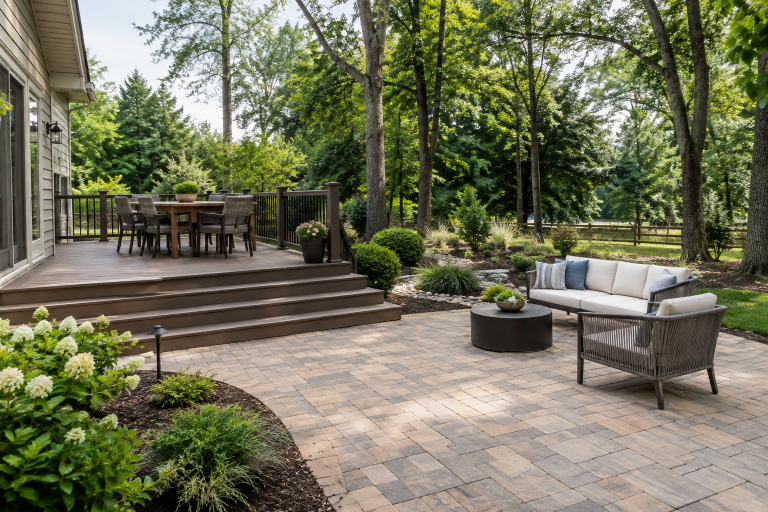
A well-planned outdoor space should fit how your household actually lives while standing up to changing weather, wet periods, summer sun, falling leaves, and regular use. For homeowners in Spotsylvania County, Virginia, the best results usually come from prioritizing practical site decisions over decorative extras.
Whether the goal is a quiet morning sitting area, a family dining patio, or a more complete backyard retreat, experienced deck and patio contractors Spotsylvania County homeowners consult can help translate daily needs into a plan with logical drainage, durable surfaces, and room to grow over time.
Start With How You Live Outside
Plan around a typical weekday, not occasional gatherings. Consider entry points, dining areas, space for children or pets, and whether you’ll relax, cook, garden, or entertain. This keeps the yard practical, not crowded with rarely used features.
Before finalizing, separate must-haves—safe house access, dining space, storage—from future additions like an outdoor kitchen, fire feature, privacy screen, or larger garden beds. Phasing lets you include both without paying for everything at once.
See also: Travel Lighter and Explore More: A Practical Guide to Handling Your Bags in Rome
Study the Yard Before Choosing Materials
Spotsylvania County properties range from compact neighborhood lots to wooded, sloped homesites with mature trees. Observe the yard morning, afternoon, and evening, noting sun, wind, views to preserve, and areas where rainwater collects. Identify roots, utilities, doors, gates, and grade changes; these affect patio placement, walkway routes, and whether shade structures can improve the space without blocking airflow or access.
Create Clear Use Zones
Dividing the yard into simple outdoor rooms makes the space easier to navigate and more useful year-round. Even a modest backyard can have distinct areas without feeling overly formal.
- Dining zone: Keep it reasonably close to the kitchen or grill for easier serving.
- Lounge zone: Place comfortable seating where shade, privacy, or a pleasant view makes people want to stay.
- Cooking zone: Allow room around grills and prep areas, away from narrow traffic paths.
- Activity zone: Preserve open ground for pets, play, or flexible gathering space.
- Garden zone: Group plants by their light and moisture needs rather than scattering them randomly.
Choose Durable, Easy-Care Materials
Material selection should reflect maintenance preferences as much as appearance. Concrete, pavers, natural stone, composite decking, treated wood, gravel, and metal details can all work well when selected for the site and installed correctly. A surface that requires more upkeep than the household can realistically provide may become a source of frustration.
Questions to Ask Before Selecting a Surface
- Will the surface offer dependable footing when wet?
- How will it perform through seasonal temperature changes?
- Does it need routine sealing, staining, or frequent cleaning?
- Can a damaged section of an individual paver be repaired?
- Will the color become uncomfortably warm in direct afternoon sun?
Solve Water Problems First
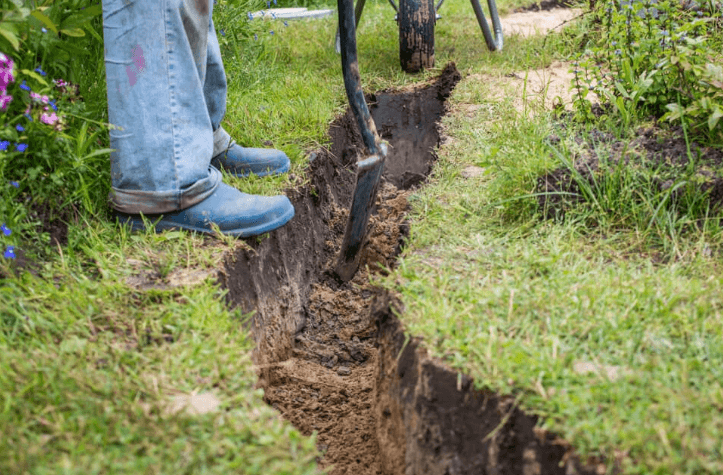
Drainage should be addressed before installing a patio, retaining wall, planting bed, or roofed structure. Water that flows toward the house or pools on a finished surface can create muddy areas, erosion, and avoidable repair work. Grading, downspout extensions, swales, gravel collection areas, channel drains, and permeable surfaces may each have a role, depending on the property.
The rain gardens, vegetated swales, and permeable pavements described by the EPA illustrate ways landscapes can slow, store, filter, or infiltrate runoff. The right method depends on the yard’s slope, soil, drainage patterns, and the home’s location.
Add Shade and Shelter for Longer Use
Shade makes an outdoor area more comfortable during bright, warm afternoons, while a covered section can make the space more usable during light rain or cooler weather. Umbrellas, pergolas, covered patios, shade sails, screened areas, and existing trees each offer different levels of coverage.
Place shade where people will use it most, especially over dining or seating areas. Leave enough clearance for doors, furniture, and walkways, and consider wind exposure before committing to tall structures, fabric sails, or a fixed roof. Plan for electrical needs before construction if lighting, fans, or outlets are desired.
Plan Low-Care Planting
A low-maintenance landscape is not plant-free. It is planted with the site in mind. Choose trees, shrubs, perennials, ornamental grasses, and groundcovers that suit the available sun, moisture, soil, and mature space. Plants that are constantly too large, too shaded, or too dry for their location often require extra pruning and replacement.
For a landscape that supports seasonal interest, use repeating groups rather than isolated single plants, and select varieties with staggered bloom times or strong foliage. The USDA Natural Resources Conservation Service recommends considering soil, drainage, sunlight, grouped plantings, and different flowering periods when creating a pollinator-friendly planting area.
Use Lighting Wisely
Outdoor lighting should make movement safer and extend evening use without washing the entire yard in harsh brightness. Use path lights near steps and elevation changes, low-level lighting near seating, and limited accent lighting for a tree, wall, or architectural feature. Timers, photocells, and smart controls can help avoid leaving lights on unnecessarily.
Build in Practical Phases
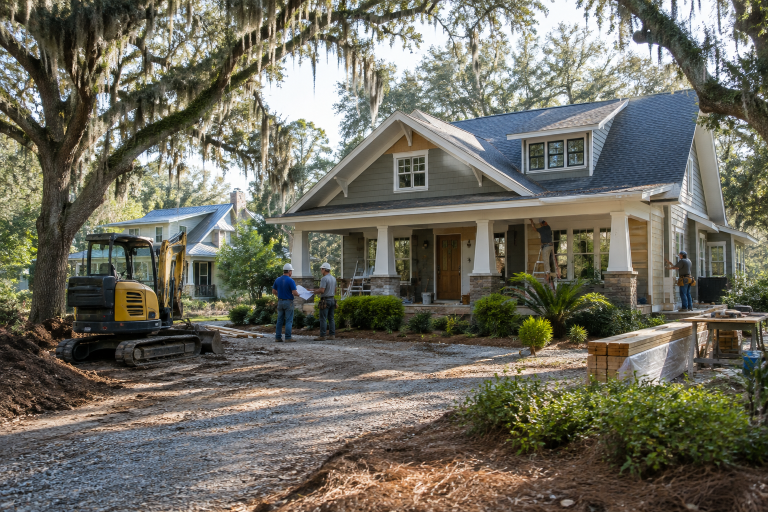
Phasing keeps a major project manageable and protects completed work from later disturbance. Start with grading, drainage, access, utility planning, and soil preparation. Next, install the primary deck, patio, paths, or retaining features. Add shade structures, planting beds, furnishings, privacy elements, and lighting after the main framework is complete.
Follow a Seasonal Maintenance Checklist
- Spring: Clear drains, inspect surfaces, refresh mulch, and test outdoor lighting.
- Summer: Watch soil moisture, clean cooking areas, and trim plants that block paths.
- Fall: Remove leaves from drains, store delicate furnishings, and inspect trees near structures.
- Winter: Protect exposed plumbing, watch for standing water, and address small surface cracks early.
Conclusion
A successful outdoor living space in Spotsylvania County does not need every feature at once. It needs a plan that aligns with daily routines, suits the property, manages water responsibly, and uses materials and plants that match the available level of care. With that foundation in place, the yard can become more comfortable, functional, and enjoyable in every season.