Why Global Cooperation Matters in an Interconnected World
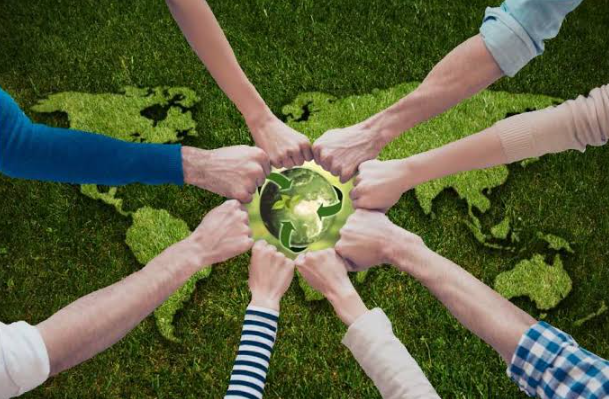
The world has become more connected than ever before. Goods travel across borders, people communicate instantly, and countries depend on one another for trade, education, technology, and many essential resources.
This connection creates opportunities, but it also means that problems in one region can affect people elsewhere. Environmental challenges, public health emergencies, economic uncertainty, and humanitarian crises rarely remain limited to one country.
Global cooperation helps nations, organizations, and communities respond to shared challenges. It does not require everyone to have the same culture, political system, or priorities. Instead, it involves recognizing common interests and finding practical ways to work together.
Understanding an Interconnected World
International connections can be seen in everyday life. A product purchased in a local store may contain materials from several countries. Food supplies, fuel, electronic equipment, and medicines often depend on international production and transportation networks.
Education and communication have also become more global. Students can attend online courses offered by institutions in other countries, while businesses can work with customers and partners across different time zones.
These connections show that national decisions can have wider consequences. Responsible cooperation helps countries manage these relationships more effectively.
See also: Building a Mental Wellness Plan for Illinois Life
Cooperation Can Help Address Environmental Challenges
Environmental problems often cross national borders. Air pollution can move between regions, oceans connect countries, and climate related changes can affect food systems and communities around the world.
One country cannot independently protect every ocean, forest, or shared ecosystem. International cooperation can support scientific research, environmental agreements, and responsible resource management.
Countries can exchange information about clean energy, conservation, and pollution control. Researchers can share findings that help communities understand environmental changes and prepare for future risks.
Local action remains important, but international coordination can make these efforts more effective.
Improving Global Public Health
Public health is another area where cooperation matters. Diseases can spread through international travel, trade, and movement between communities.
Countries can benefit from sharing scientific information, strengthening health systems, and supporting research. International partnerships may also help improve access to medical supplies, training, and public health education.
Preparedness is especially important. Health organizations and governments need reliable communication systems and clear plans for responding to emergencies.
Cooperation should also consider differences in resources. Communities with fewer medical facilities may need additional support to respond effectively to health challenges.
Supporting Education and Knowledge Exchange
Education creates opportunities for international understanding. Students and teachers can learn from different cultures, teaching methods, and research experiences.
Universities may develop exchange programs, joint research projects, and online learning opportunities. These activities allow people to share knowledge and develop professional relationships.
Knowledge exchange can also help countries address practical challenges. Agricultural research, engineering, public health, and renewable energy are areas where shared learning can produce valuable results.
However, access to these opportunities should not be limited to wealthy institutions. Affordable programs and accessible digital resources can help more people participate.
Encouraging Fair and Responsible Trade
International trade provides access to products, services, and markets. It can support employment and create opportunities for businesses in different countries.
However, trade relationships should also consider workers, communities, and environmental conditions. Poor working conditions and unfair practices can create serious problems for people involved in production.
Responsible trade requires transparency and respect for basic labor standards. Businesses should consider how their supply chains operate and whether workers receive fair treatment.
Governments can support responsible practices through clear regulations and cooperation with international partners.
Protecting Human Rights Across Borders
Human rights are important because every person deserves dignity, safety, and equal treatment. Yet many people around the world experience discrimination, exploitation, displacement, and restrictions on basic freedoms.
International cooperation can help bring attention to these issues and support efforts to protect vulnerable communities.
Organizations can document concerns, provide humanitarian assistance, and encourage governments to follow international standards. Education also plays an important role by helping people understand equality, freedom, and human dignity.
Progress requires consistency. Human rights should be considered in everyday policies and decisions, not only during international meetings.
Respecting Cultural Differences
Global cooperation becomes stronger when people respect cultural diversity. Different societies have their own languages, traditions, values, and ways of organizing community life.
Understanding these differences can reduce misunderstandings and improve communication. Cultural exchange programs, international education, and community events can help people learn from one another.
Respect does not mean ignoring disagreements. It means approaching differences with curiosity and fairness instead of making assumptions.
People are more likely to cooperate when they feel their identities and experiences are respected.
The Role of Individuals in Global Cooperation
International cooperation may sound like something only governments can achieve, but individuals also influence global relationships.
People can support responsible businesses, learn about international issues, reduce waste, and participate in community projects. Students can develop awareness of different cultures, while professionals can share knowledge with colleagues around the world.
Online communication also gives individuals opportunities to exchange ideas. However, people should verify information and avoid spreading misleading claims about other countries or communities.
Small personal actions cannot replace public policy, but they can help create a culture of responsibility and understanding.
Conclusion
Global cooperation is essential because many modern challenges are connected across borders. Environmental protection, public health, education, fair trade, and human rights all benefit from communication and shared responsibility.
Countries may have different interests, but they also face problems that require common solutions. Respectful discussion and practical partnerships can help build trust and create opportunities for progress.
A connected world needs people who understand that their decisions can affect others. By working together, communities and nations can create a safer, fairer, and more sustainable future.
For more thoughtful discussions about international issues and shared responsibility, visit One World Column.