Run-In Sheds vs Full Barns
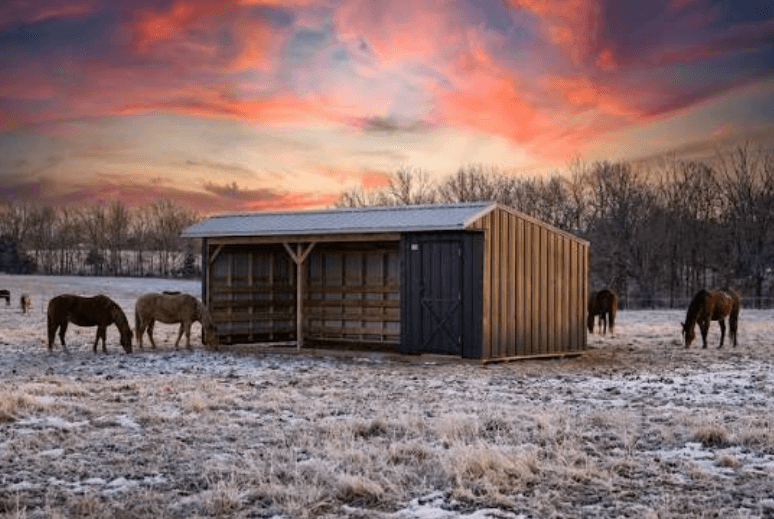
Horse owners understand that providing proper shelter is one of the most important parts of maintaining a healthy and comfortable environment for their animals. While horses can adapt well to outdoor living, they still need protection from harsh weather, strong winds, excessive sun, and heavy rain.
When planning a pasture setup, many owners find themselves deciding between a run-in shed and a full barn. Both options have advantages, but the right choice depends on factors such as herd size, budget, daily care routines, and how much space is available on the property.
Understanding the differences between these two structures can help horse owners create a setup that works well for both their animals and their lifestyle.
What Is a Run-In Shed?
A run-in shed is an open-front shelter designed to allow horses to enter and exit freely. Unlike a traditional barn, it does not require horses to be stalled or confined. Horses can choose when they want protection from the elements while still having the freedom to move around the pasture.
Horse run-in sheds are commonly used by owners who prefer a more natural approach to horse care. They work especially well for horses that spend most of their time outdoors and only need a safe place to escape uncomfortable weather conditions.
Some benefits of a run-in shed include:
- Lower construction and maintenance costs compared to full barns
- Less daily cleaning because there are no individual stalls
- More freedom for horses to move naturally
- Flexible placement throughout a pasture
- Easier access for feeding and routine care
For owners who want a shelter designed around their property layout, herd needs, and specific measurements, investing in Custom Run-In Sheds for Horses can provide a practical solution. A professionally designed structure allows buyers to consider details such as roof height, size, materials, storage needs, and the number of horses using the shelter.
What Is a Full Barn?
A full barn provides a more traditional horse-keeping setup with enclosed spaces, stalls, storage areas, and additional features. Many barns include tack rooms, feed storage, wash areas, and dedicated spaces for grooming or veterinary care.
Full barns are often preferred by owners who manage multiple horses, participate in competitions, or need a controlled environment for daily handling.
Some advantages of a full barn include:
- Individual stalls for horses that need separation
- Protected areas for grooming and equipment storage
- Better organization for feeding routines
- More control during extreme weather
- Additional workspace for horse-related activities
However, full barns usually require a larger investment upfront. They also involve more maintenance because stalls must be cleaned regularly and additional areas require upkeep.
Comparing Run-In Sheds and Full Barns
Choosing between a run-in shed and a full barn comes down to how you use your property and what your horses need.
Herd Size Considerations
The number of horses you own plays a major role in determining the best option.
For smaller herds, especially one to three horses that live primarily on pasture, a run-in shed may provide enough protection and comfort. Horses that get along well often benefit from having a shared shelter where they can move freely.
Larger operations may require a full barn because individual stalls, storage areas, and organized care spaces become more important. Owners managing several horses may need separate areas for feeding, medical care, or training preparation.
Budget and Long-Term Costs
Budget is another important factor when choosing a structure.
A run-in shed is typically more affordable because it requires fewer materials and less complex construction. It can also reduce ongoing expenses since there are fewer enclosed areas to maintain.
A full barn requires a larger initial investment but may provide more functionality for owners who need additional features. Before making a decision, consider both the upfront cost and the long-term maintenance involved.
Pasture Layout and Available Space
The layout of your property can influence which structure makes the most sense.
Run-in sheds are highly flexible because they can be placed in different areas of a pasture. Some owners install multiple shelters across larger properties so horses always have access to protection.
Full barns usually require a more permanent location with enough room for driveways, storage, fencing, and daily access. Owners should consider drainage, convenience, and how the structure fits into their overall property design.
Important Features to Consider Before Building
Regardless of which option you choose, several design features can improve the safety and usability of your horse shelter.
Proper Size
A shelter should provide enough space for horses to comfortably stand, rest, and move without feeling crowded. Overcrowding can lead to stress and prevent lower-ranking horses from accessing protection.
Quality Materials
Durable materials help structures withstand changing weather conditions. Features such as strong framing, proper roofing, and well-designed drainage can increase the lifespan of a shelter.
Ventilation
Even enclosed barns need proper ventilation to reduce moisture buildup and improve air quality.
Safe Placement
The location of the shelter matters just as much as the structure itself. Avoid areas that collect standing water and choose a spot that provides easy access for feeding, cleaning, and monitoring horses.
See also: The Impact of Artificial Intelligence on Everyday Life
When a Run-In Shed Is the Better Choice
A run-in shed may be ideal for horse owners who:
- Keep horses primarily on pasture
- Want a lower-maintenance shelter option
- Have limited construction space
- Prefer allowing horses to move freely
- Need protection without a full barn setup
Many owners also choose run-in shelters as an addition to their existing barn. This provides horses with another option for shade and weather protection while spending time outdoors.
When a Full Barn Makes More Sense
A full barn may be the better choice for owners who:
- Need individual stalls
- Store significant amounts of feed or equipment
- Regularly groom, train, or handle horses
- Manage a larger herd
- Need a dedicated workspace
Owners who compete, breed horses, or provide professional care often benefit from the added organization and functionality a barn provides.
Exploring Prefabricated Options
Not every horse owner wants a lengthy construction process. Prefabricated structures can provide a convenient alternative for those looking for a faster installation timeline while still getting a functional shelter.
Before choosing a prefabricated option, review the materials, construction methods, and available customization choices to ensure the structure fits your long-term plans.
Common Mistakes to Avoid
When planning a horse shelter, avoiding a few common mistakes can save time and money.
Choosing Based Only on Price
The cheapest option may not always provide the durability or features your horses need. Consider the structure’s long-term value rather than only the initial cost.
Ignoring Future Needs
Your current herd size may change over time. Think about whether you may add more horses or require additional storage in the future.
Overlooking Maintenance
Every structure requires some level of care. Consider how much time you want to spend cleaning, repairing, and maintaining the shelter.
Making the Right Choice for Your Horses
Both run-in sheds and full barns can provide excellent shelter when designed correctly. The best choice depends on your horses’ habits, your property layout, and the level of care you want to provide.
For many pasture-based horse owners, a run-in shed offers simplicity, flexibility, and comfort. For those who need more control, storage, and daily handling space, a full barn may be the better investment.
By carefully evaluating your needs, budget, and plans, you can choose a shelter that supports your horses’ health and provides a practical solution for years to come.