A Checklist for Moving Sensitive Lab Equipment Without Disrupting Research
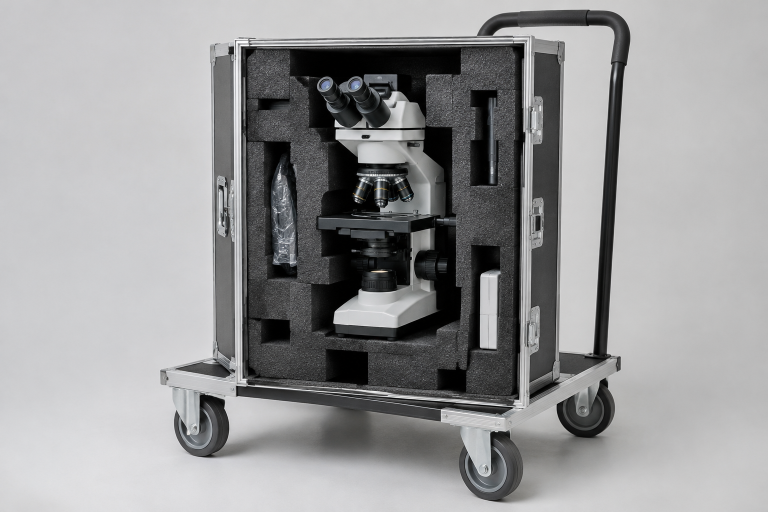
Moving a laboratory is not a standard office relocation. Sensitive instruments, research materials, software, utilities, calibration records, and safety controls all need coordinated attention before anything is disconnected. For teams managing complex assets, high-value lab equipment movers such as GenVault Transport Services, which relocates microscopes, server racks, freezers, and other delicate equipment with climate-controlled transportation and liftgate equipment across the United States and Canada, can support the physical relocation plan while internal lab leaders stay focused on research continuity, quality requirements, and readiness at the destination. Even with outside support, the laboratory should keep a documented process for approving each stage of the move.
Why Lab Moves Need a Different Plan
Laboratory equipment can be affected by vibration, shock, moisture, dust, temperature changes, poor lifting practices, and incomplete utility preparation. Analytical instruments, microscopes, centrifuges, imaging systems, freezers, and server-connected equipment may have different tolerances and restart requirements. A move can finish on schedule while research remains delayed because a critical instrument needs repair, alignment, or recalibration.
Build an Equipment Inventory Before Packing Begins
Create an asset inventory that does more than count items. Assign every instrument a move number that follows it through the current location, floor plan, packing record, transport paperwork, and delivery checklist.
Recommended Inventory Fields
- Equipment name, manufacturer, model, and serial number
- Current location and final destination
- Dimensions, weight, and access limitations
- Power, gas, water, exhaust, network, and software needs
- Maintenance, calibration, and decontamination status
- Required service technician, special packing, or lifting needs
- Photos of connections, controls, accessories, and existing damage
Review the New Facility Before Moving Equipment
Inspect the destination before the first item leaves the old lab. Confirm door widths, elevator capacity, loading access, corridor turns, floor loading limits, ceiling clearance, security access, and final placement space. Also, verify that power, ventilation, network connections, temperature control, and other utilities will be available when equipment arrives. The CDC’s laboratory operations planning guidance reinforces the value of documented planning, risk assessment, and operational controls.
Protect Calibration and Validation
Physical relocation and technical recommissioning are separate milestones. Before disconnecting an instrument, record its condition, save the current calibration and maintenance records, photograph the connections, and confirm the manufacturer’s or service provider’s requirements. Schedule post-move testing before transport begins, and document any repairs, deviations, failed tests, or changes in operating status. Some systems may need leveling, alignment, software checks, formal qualification, or performance verification after installation. Biological safety cabinets require particular care. NIH notes that cabinets being relocated need decontamination before removal and recertification after the move, as explained in its biosafety cabinet relocation guidance.
Plan Packing and Transport Around Equipment Risk
Match the handling plan to the instrument. A microscope, an ultra-low freezer, and a mass spectrometry system should not be packed or loaded using the same approach. Review whether the move requires shock-absorbing protection, bracing, moisture barriers, upright transport, vibration control, climate control, air-ride suspension, liftgate access, or shipment communication. Ask who will disconnect accessories, protect fragile components, verify the loading orientation, monitor conditions as needed, and inspect the unit upon delivery. The plan should also define what happens if access is blocked, transport is delayed, or a condition monitor indicates an exception.
Manage Samples and Sensitive Materials
Equipment and research materials often need separate move plans. For samples, maintain a current inventory, documented custody records, approved storage temperatures, emergency contacts, and backup storage that is ready before the transfer starts. Regulated, hazardous, or contaminated materials should be handled in accordance with the laboratory’s approved procedures and applicable requirements, and not treated as ordinary cargo.
Create a Move-Day Playbook
- Confirm destination readiness and access permissions.
- Hold a short safety and communication briefing.
- Verify labels against the inventory and complete condition checks.
- Record departure, delivery, and placement times for critical items.
- Escalate damage, delays, or temperature events immediately.
Assign clear roles to the lab manager, facilities lead, equipment owner, quality representative, safety officer, and relocation coordinator.
Complete Post-Move Checks Before Restarting Work
Unpacking is not the end of the project. Inspect each item for visible damage, confirm serial numbers and accessories, verify utilities and environmental conditions, and review any available temperature or condition logs. Then complete required cleaning, calibration, certification, software checks, and performance testing. Final sign-off should state who inspected the equipment, which tests were completed, and whether it is approved for normal use.
Common Questions
How early should a laboratory move be planned?
Start as early as practical. The timeline depends on the number of instruments, destination readiness, service-provider availability, sample needs, and internal quality requirements.
Does every instrument need recalibration after a move?
Not necessarily. The appropriate level of testing depends on equipment type, manufacturer guidance, the nature of the move, and the laboratory’s quality system.
What is the most common planning mistake?
Late facility preparation. Equipment can arrive safely but remain offline when utilities, ventilation, network access, room conditions, or technical support are not ready.
Final Checklist Before the Move
- Inventory completed and verified
- Destination and access route inspected
- Equipment owners and move-day contacts assigned
- Manufacturer requirements and calibration records reviewed
- Samples, backup storage, and custody controls confirmed
- Insurance and responsibility terms reviewed
- Post-move inspection, testing, and sign-off scheduled
See also: Short-Form Video Marketing for Business Growth
Conclusion
A successful laboratory move protects more than equipment. It protects research time, sample integrity, staff safety, quality records, and the reliability of future results. Careful planning helps teams identify sensitive instruments, hazardous materials, temperature-controlled samples, and other items that require special handling during transport. Preparing the destination in advance, coordinating responsibilities, and maintaining clear communication can also reduce delays and prevent avoidable confusion. Risk-based transport controls, accurate labeling, and documented handling procedures help preserve important information throughout the move. Once equipment and materials arrive, post-move inspections, calibration checks, environmental verification, and record reviews can help confirm that everything is ready for use. With a complete inventory, a prepared destination, appropriate transport safeguards, and documented post-move checks, laboratory teams can reduce uncertainty, protect essential resources, and return to productive work with greater confidence.