Your Car Lease Is Ending: How to Decide Whether to Buy It or Return It
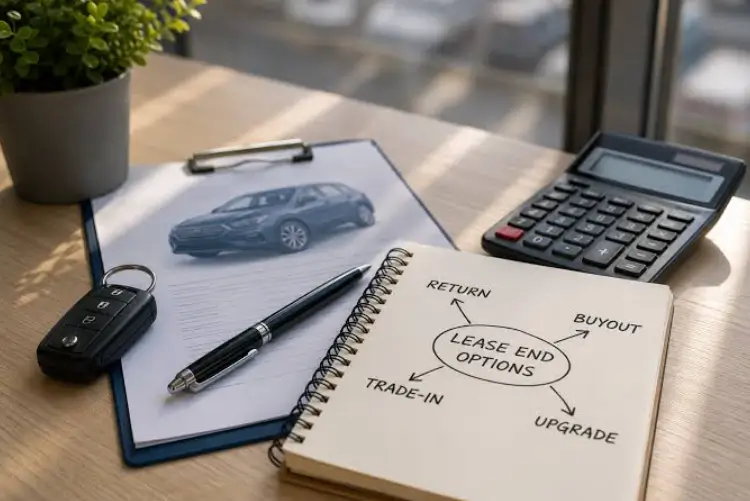
The end of a car lease forces a decision that catches many drivers off guard. For three years or so the arrangement has been simple: you drive the car, you make the payments, and the end date feels far away. Then it arrives, and suddenly you face a choice that involves real money and a bit of uncertainty. Do you hand the car back and walk away, or buy it outright at the price written into your contract? Making that call well can save you a meaningful amount, and the good news is that it comes down to a handful of knowable facts.
Understanding the buyout price
Every lease includes a buyout price, sometimes called the residual value. This is the amount the leasing company estimated the car would be worth at the end of the lease, and crucially, that estimate was made when you first signed, often years earlier. Buying out the lease simply means paying that figure, plus any applicable fees and taxes, to own the car instead of returning it.
The key insight is that the residual value was a prediction, and the real world rarely matches predictions exactly. Your car today might be worth more than that figure or less. The gap between the contractual buyout price and the car’s actual market value is the single most important number in your decision, because it tells you whether the buyout is a bargain or a bad deal.
When buying makes sense
Buying out the lease tends to be the smart move in a few situations. If used car values have risen or your model holds its value well, the residual price set years ago may now look cheap compared with what the car is really worth, effectively letting you buy an asset for less than its market value. If you have gone over your mileage allowance or there is wear on the car, returning it could mean paying penalties, and buying it instead avoids those charges. And if the car has been reliable and you are happy with it, keeping a vehicle whose full history you know can be more appealing than gambling on something new.
There is also the simple matter of convenience and cost. When replacing a car is expensive or difficult, holding onto one you already know and trust can be the calmer, cheaper path.
When returning is the better choice
Handing the keys back is often wiser in the opposite circumstances. If the buyout price is higher than the car’s market value, there is little sense in overpaying when you could buy the same car, or a better one, for less elsewhere. If the car has become unreliable or no longer suits your needs, returning it lets you move on cleanly. And if you stayed within your mileage and kept the car in good condition, returning it is painless, and you simply step into your next vehicle.
Make it a numbers decision, then a feelings one
The trap most people fall into is deciding emotionally. You have lived with the car, you are used to it, and that familiarity quietly nudges you toward keeping it even when the math says otherwise. Before letting sentiment decide, gather four facts: your exact buyout price including all fees, the current market value of your specific car, any excess mileage or wear charges you would face on return, and the cost of a comparable replacement.
Those numbers do most of the work. If the buyout price plus fees is clearly below both the car’s value and the cost of replacing it, keeping it is usually rational. If it is higher, returning it usually wins. Because several factors feed into the decision, it helps to use a tool that weighs them together rather than juggling them in your head. A quick way to get a clear read is to run your car through the scoring tool at leasematurity.com, which factors in things like equity, reliability, mileage, and replacement cost so you can see whether keeping or returning leans in your favour before you talk to the dealer.
Watch the fees and the pressure
Both dealers and leasing companies have their own incentives at lease end, and those are not always aligned with yours. A dealer might push a new lease or a buyout depending on what suits them that month. Read the fine print for disposition fees charged on return, purchase fees charged on a buyout, and any taxes applied to the buyout price in your area. These extras can shift the math by a noticeable amount, so fold them in from the start rather than being surprised at signing.
The bottom line
A lease buyout is one of the few car decisions where you hold genuine leverage, because the car is already yours to keep and the contract spells out your options. Treat it as a numbers problem first. Pull your buyout price, compare it honestly against the car’s real value and the cost of moving on, use a tool to weigh the factors, and let that guide you. Do that, and whether you keep the car or return it, you will know the choice served you rather than the dealer.
See also: Business Acquisition Financing Canada: Funding a Successful Business Purchase
Frequently asked questions
What is a lease buyout price?
It is the amount, set in your lease contract and also called the residual value, that you can pay to own the car at the end of the term. It was estimated when you first signed the lease.
How do I know if buying out my lease is a good deal?
Compare the buyout price plus fees against the car’s current market value and the cost of a comparable replacement. If the buyout is clearly lower, keeping the car usually makes financial sense.
Are there fees for returning a leased car?
Often yes. Many leases include a disposition fee on return plus charges for excess mileage or wear beyond normal use, which can make returning more expensive than it first appears.
Should I buy my car if it is worth more than the buyout price?
That is one of the strongest cases for buying it out, since you effectively acquire the car for less than its market value, which can save money even if you later sell it.
How can I weigh all the factors quickly?
Use a scoring tool that combines equity, reliability, mileage, and replacement cost into a single read, so you can see whether keeping or returning your leased car is the stronger option before negotiating.