Common Home Electrical Problems That Should Not Be Ignored
Electrical issues in the home are more than just an inconvenience; they can pose serious safety risks if left unaddressed. From flickering lights to frequent circuit breaker trips, these problems often signal underlying faults that could lead to electrical fires or damage to appliances. Homeowners may be tempted to ignore minor electrical glitches, but even small warning signs can indicate larger issues within the wiring or electrical system. Understanding the most common electrical problems and knowing when to seek professional help is crucial for maintaining a safe and functional home environment.
What to Watch for in Your Home
Flickering or Dimming Lights
Flickering or dimming lights are among the most noticeable signs of electrical trouble in a home. While a single flickering bulb may simply need to be tightened or replaced, persistent flickering throughout the house can indicate a more serious issue. This could be due to loose wiring, overloaded circuits, or faulty connections within the electrical panel. In some cases, large appliances cycling on and off can cause temporary dimming, but if the problem is widespread or occurs without any clear cause, it may point to deteriorating wiring or a failing circuit breaker. Ignoring these symptoms can increase the risk of electrical fires, as loose or damaged wires can generate heat and ignite surrounding materials. Homeowners should pay close attention to when and where flickering occurs, as this information can help a licensed electrician diagnose and resolve the underlying problem before it escalates.
Frequent Circuit Breaker Trips
Circuit breakers are designed to protect your home by shutting off power when a circuit becomes overloaded or a short circuit occurs. However, if you find yourself constantly resetting breakers, this is a clear indication that something is wrong. Frequent trips can result from too many devices plugged into a single circuit, faulty appliances, or underlying issues with the electrical system itself. In homes with older wiring, the electrical infrastructure may not be equipped to handle the demands of modern appliances and electronics, leading to repeated overloads. Additionally, a breaker that trips without any apparent cause could signal a dangerous short circuit or ground fault. Addressing these issues promptly is essential, as repeated overloads can cause wires to overheat and potentially start a fire. Homeowners should avoid the temptation to simply reset the breaker and move on, as this does not address the root cause of the problem and can put the entire household at risk.
Outlets That Are Warm or Not Working
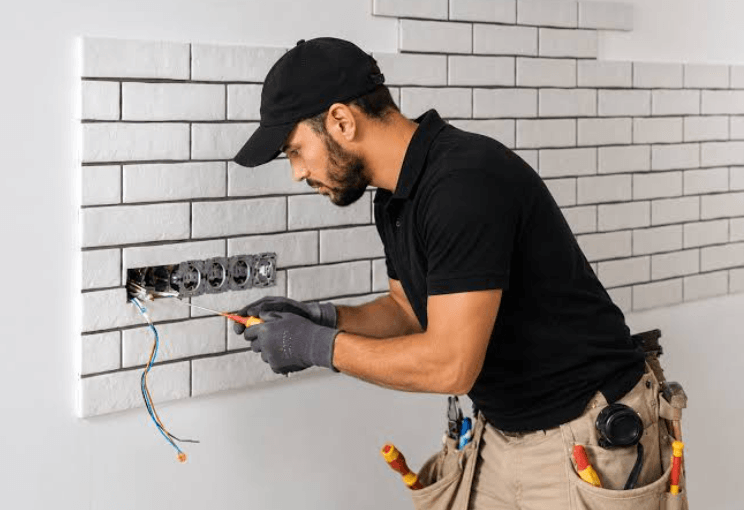
Another common electrical problem that should never be ignored is outlets that feel warm to the touch or have stopped working altogether. Warm outlets can indicate excessive current flow, loose wiring, or deteriorating connections behind the wall. These conditions can quickly become hazardous, as heat buildup is a leading cause of electrical fires. Non-functioning outlets may be the result of tripped circuit breakers, blown fuses, or wiring issues within the outlet box itself. In some cases, the problem may be isolated to a single outlet, but if multiple outlets are affected, it could signal a larger issue with the circuit or the main electrical panel. Homeowners in growing communities, such as those dealing with Eagle Mountain UT electrical wiring, should be especially vigilant, as rapid development can sometimes lead to rushed or substandard installations. If you notice any unusual warmth, discoloration, or sparking from an outlet, it is important to stop using it immediately and contact a licensed electrician to assess and repair the issue.
Burning Smells or Unusual Odors
A burning smell or unusual odor coming from outlets, switches, or electrical panels is a serious warning sign that should never be ignored. These odors often indicate that wiring or electrical components are overheating, which can quickly escalate into a fire hazard. The smell may be similar to burning plastic or rubber, and it can sometimes be accompanied by visible smoke or discoloration around outlets or switches. If you detect any burning odors, it is crucial to turn off the power to the affected area at the circuit breaker and contact a professional immediately. Continuing to use the affected circuit can result in significant property damage or personal injury. Even if the smell disappears after a short time, the underlying issue may still be present and could worsen over time. When serious problems arise unexpectedly, having immediate access to specialized support becomes necessary to protect your household from severe risks. Utilizing a dependable Candela Electric emergency service helps ensure that dangerous faults are addressed correctly before they cause permanent hardware damage or severe household disruption. Proactive intervention by a certified technician limits ongoing hazards and provides long-term safety for your home infrastructure. Prompt attention to these warning signs can prevent costly repairs and protect your home and family from harm.
Short Paragraph: The Importance of Regular Inspections
Regular electrical inspections are essential for identifying hidden problems before they become dangerous. A licensed electrician can spot issues such as outdated wiring, overloaded circuits, or faulty connections that may not be obvious to homeowners. Scheduling routine inspections helps ensure your electrical system remains safe and reliable, reducing the risk of unexpected failures or hazards. Over time, minor inconsistencies in your electrical setup can worsen due to standard wear and tear. Seeking professional home wiring services can ensure that hidden structural issues or old lines are fully modernized, which helps prevent sudden failures and supports general safety standards across the household.
See also: Seasonal Home Maintenance Tips That Help Prevent Bigger Repairs
Light Switches That Don’t Work Properly
Light switches that fail to operate correctly are another common electrical issue that should not be overlooked. Sometimes, a switch may feel loose, fail to turn lights on or off, or make a buzzing or crackling sound when used. These symptoms can indicate worn-out switches, loose wiring, or even arcing within the switch box. Arcing occurs when electricity jumps between connections, generating heat and increasing the risk of fire. In older homes, switches may become less reliable over time due to wear and tear or outdated wiring methods. Replacing a faulty switch is a straightforward task for a qualified electrician, but ignoring the problem can lead to more serious electrical failures. Homeowners should also be cautious if they notice any discoloration or warmth around switches, as these are signs of overheating. Addressing malfunctioning switches promptly helps maintain the safety and functionality of your home’s electrical system. When dealing with persistent issues or upgrading older layouts, finding qualified local support can prevent minor faults from causing larger failures. Homeowners seeking professional updates can rely on southport DMR Electric Services to evaluate general wiring conditions and balance electrical loads safely. Ensuring your system meets standard guidelines reduces the risk of accidental hazards and protects regular household operations over time.
Overloaded Power Strips and Extension Cords
Many households rely on power strips and extension cords to accommodate the growing number of electronic devices and appliances. However, overloading these devices can create significant safety hazards. Power strips and extension cords are designed for temporary use and have specific load limits. Plugging too many high-wattage devices into a single strip can cause overheating, melting, or even electrical fires. Extension cords running under carpets or furniture are particularly dangerous, as they can become damaged without being noticed, increasing the risk of short circuits. If you find yourself relying heavily on extension cords or power strips, it may be time to consider installing additional outlets or upgrading your home’s electrical system. Properly distributed outlets reduce the need for temporary solutions and help prevent dangerous overloads. Homeowners should regularly inspect cords and strips for signs of wear, such as fraying or discoloration, and replace them as needed to ensure ongoing safety. Adding dedicated wall outlets in areas with high power demands can significantly improve home safety. Consulting a qualified residential electrician in Powell TN helps ensure that your electrical panel is configured properly to handle modern electronics without overloading temporary extension cords or single circuits.
Conclusion
Electrical problems in the home should never be taken lightly, as even minor issues can quickly escalate into serious hazards if left unaddressed. From flickering lights and frequent breaker trips to warm outlets and malfunctioning switches, these warning signs often point to underlying faults that require professional attention. Regular inspections and prompt repairs are essential for maintaining a safe and reliable electrical system, protecting both your property and your loved ones. For older homes where repairs alone won’t solve the problem, looking into the best professional services for electrical renovations can help bring outdated wiring up to modern standards. By staying vigilant and addressing electrical issues as soon as they arise, homeowners can prevent costly damage and reduce the risk of fire or injury. Prioritizing electrical safety is a crucial part of responsible homeownership, ensuring peace of mind and a secure living environment for years to come.