Can You Tan With Sunscreen On? What Outdoor Fans Should Know
Can you tan with sunscreen on? Here’s what actually happens when you wear SPF in the sun and why using the right sunscreen still matters.
TL;DR: Yes, it is possible to still tan while you’ve got sunscreen on, but it happens that much more slowly. With a good mineral sunscreen, you get the color you’re looking for in the safest possible way.
Can you tan with sunscreen on? You can, and that might come as a bit of a surprise to a lot of people across the USA. Believe it or not, some users think that wearing any kind of sunscreen means that you’re 100% protected – for around 2 hours. It’s an easy assumption to make, but it’s still a false one.
It’s easy to come to the conclusion that sunscreen completely blocks tanning, and let’s be honest, when you’re wanting to get a tan, a little rule bending – like skipping it for a day – is ok, right? The problem is that tanning and putting on sunscreen aren’t mutually exclusive. You can get one while wearing the other on a regular basis.
So, if this sounds familiar to you, we’re here to give you some super-useful advice that will likely prevent you from getting unnecessary sun damage. Spoiler Alert – you can tan with sunscreen, because no sunscreens stop all UV rays all of the time.
Can You Tan With Sunscreen? Yes, It Still Happens Because…
The can you tan with sunscreen question is far from being a new one – as people have used sun safety products since way back in the 1930s. Both main types of sunscreen (chemical and mineral) protect the skin in their own way, but that doesn’t mean they provide impervious, blanket protection for your skin while you’re outside.
The key point here is that even the highest, widely-used sunscreen SPF (SPF 50) lets up to 2% of UV rays through to your skin. Given enough time, all those two per cents add up – usually giving you a gentle, background color to your complexion.
Here are a few things to remember.
- A tan is still a sign of UV exposure – if your skin is getting darker, UV rays are reaching it. Sunscreen reduces how much gets through, but it doesn’t block it completely.
- Burning and tanning aren’t the same thing. You can develop a gradual tan without going red, sore or peeling, which is part of why sunscreen is still essential – even when you’re not worried about burning.
- Not everyone tans at the same rate either. Skin tone, genetics and how much time you spend outside all play a part in how quickly color develops.
So yes, tanning can still happen with mineral sunscreen or chemical sunscreen on, but that doesn’t make SPF pointless. It means the goal is better sun protection, because you simply can’t block the sun out completely, no matter what you wear. However, before you use any product, consult with the Vitiligo Support Group if you have such skin conditions.
See also: Common Challenges in Online Mathematics Courses and How to Overcome Them
So, What Kind of Sunscreen Makes Most Sense Outdoors?
If you can still tan with sunscreen on, the next question is what kind makes sense when you know you’ll be outside for a while. That means looking for something that gives strong protection, feels comfortable enough to wear every time you go out and is nice and easy to reapply. That’s a crucial thing when you end up spending more time than you expected outdoors.
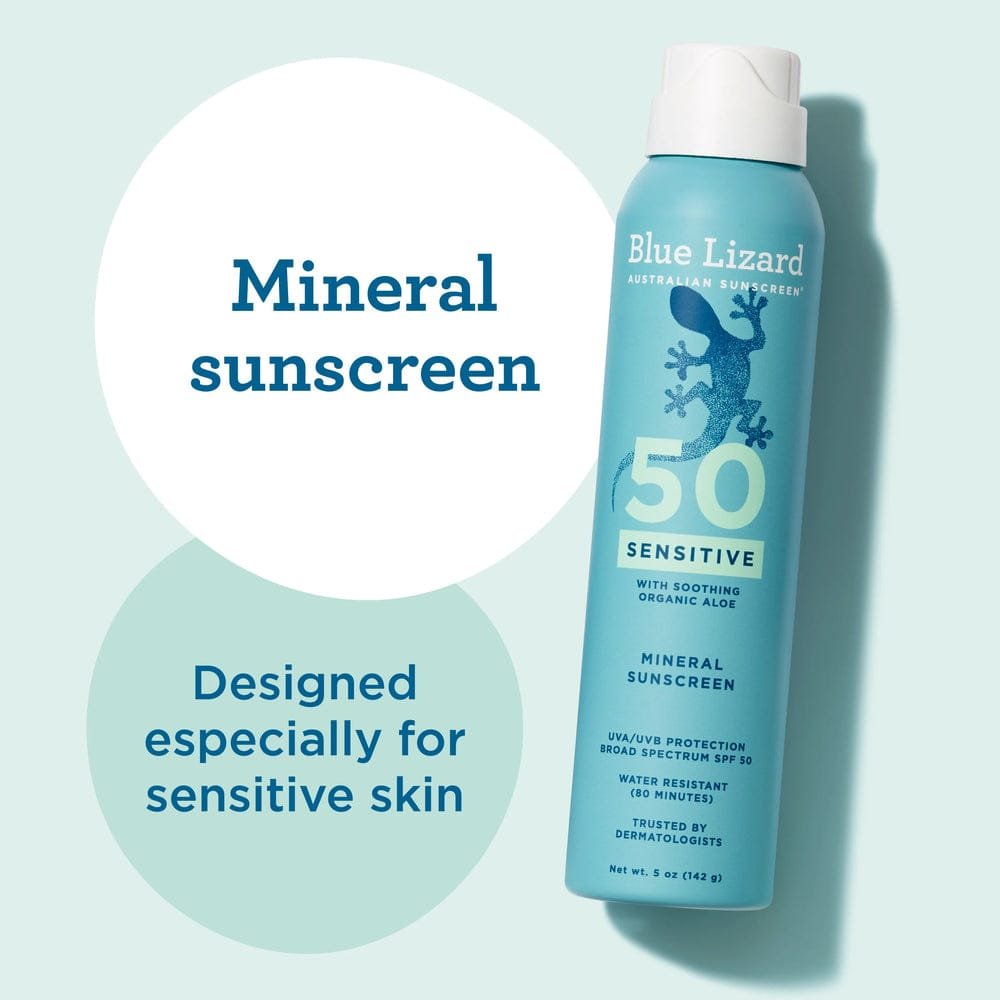
SPF 50 is a good place to start, especially when you’re spending whole days out in the sun, be it at the beach, by the pool or when you’re out hiking on the trail. While an SPF 30 is a good general choice for wearing during normal life, an SPF 50 gives that bit more – that you need.
A mineral formula is also a smart choice if your skin tends to react badly to new things. Zinc oxide (the main, active ingredient) sits on the skin’s surface and helps protect it from UV exposure. The fact that it doesn’t absorb is just one of the reasons it’s so gentle:
- Zinc oxide occurs naturally and isn’t linked to coral damage like some chemical ones are.
- Acting as a barrier, it stops UV rays in their tracks, whereas chemical products have to be absorbed – which is often not good for sensitive skin.
- It works from the moment you put it on, so no having to wait around for that aforementioned absorption to take place.
- You want broad spectrum protection or you’re not really protected at all. Mineral sunscreens offer this as standard.
The format matters too. A spray sunscreen can make life easier when you are already outside, sandy, sweaty or trying to get everyone protected before heading back into the sun. It still needs to be applied generously and rubbed in properly, but the easier it feels to use, the more likely you are to keep using it.
That said, some people like to pair a spray with a lotion for better all-over-body protection. The lotion is for the larger parts, with the spray being great for your 2-hourly touch-ups.
Can You Tan With Sunscreen On? Absolutely, But Patience is Needed
Can you still tan with sunscreen on? As we’ve seen, not only is it possible, but it’s what almost always happens when you spend day after day in the sun. It still builds up, it just builds a lot slower, so when you’re trying to get a tan this way, it’s going to take a bit of time.
So, if you want to tan and be sun safe, we recommend going for a mineral lotion with maybe a spray to complement things. Both are easy to apply and give you broad spectrum protection. There’s nothing wrong with wanting a tan, you just need to try and get it safely – for the sake of your skin.