Understanding Reverse Mortgages: A Comprehensive Guide
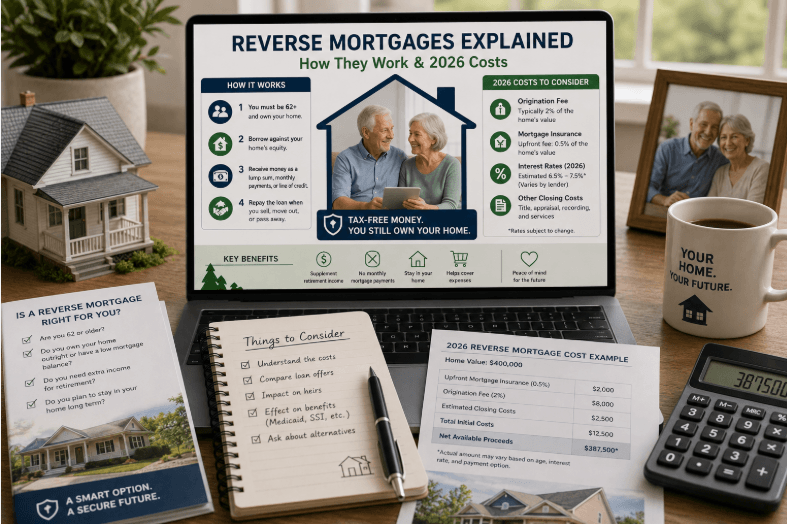
The concept of a reverse mortgage can be complex for many people, particularly those considering this financial product for the first time. As the population ages and retirement planning becomes increasingly important, understanding the intricacies of a reverse mortgage is essential. This guide aims to provide clear and detailed information on what reverse mortgages are, how they work, their benefits and drawbacks, and important considerations before entering into such an agreement.
What Is a Reverse Mortgage?
A reverse mortgage is a financial product available to homeowners, typically aged 60 or above, that allows them to convert part of the equity in their home into cash. Unlike a traditional mortgage where the borrower makes monthly payments to the lender, a reverse mortgage pays the homeowner. The loan amount plus interest is repaid only when the homeowner sells the home, moves out permanently, or passes away.
How Does a Reverse Mortgage Work?
When a homeowner takes out a reverse mortgage, they receive funds either as a lump sum, regular payments, or a line of credit, depending on the arrangement. The lender places a charge on the property, and interest accrues over time on the loan balance. The homeowner retains ownership of the home and must maintain it, pay property taxes, insurance, and any other expenses related to property ownership.
Eligibility for a Reverse Mortgage
Eligibility criteria vary among lenders, but generally, the homeowner must be above a certain age, usually 60 years, and own the home outright or have a low remaining mortgage balance. The property must be the primary residence. Lenders will typically conduct an assessment of the home’s value and the homeowner’s situation to determine the maximum amount available through the reverse mortgage.
Types of Reverse Mortgages
Reverse mortgages can come in several forms. Home equity conversion mortgages (HECM) are common in some countries and usually insured by the government. Proprietary reverse mortgages are private loans backed by lenders. It is important for homeowners to understand which type of reverse mortgage they are considering, as the terms and protections vary significantly.
Benefits of a Reverse Mortgage
The primary benefit of a reverse mortgage is the ability to access funds without the need to sell the home or make repayment obligations during the homeowner’s lifetime. This can provide financial security in retirement, help cover healthcare costs, or simply improve the quality of life by supplementing income. Additionally, the homeowner continues to live in the home and retains title ownership.
Drawbacks and Risks of a Reverse Mortgage
Despite its benefits, a reverse mortgage has potential drawbacks. The interest and fees associated with the loan can erode the equity in the home over time. This can reduce the inheritance left to heirs. Moreover, if the homeowner fails to maintain the property or fulfil obligations, the loan could become repayable, potentially forcing the sale of the home. It is essential to understand these risks before proceeding.
Costs and Fees Associated with Reverse Mortgages
Reverse mortgages typically involve upfront costs such as application fees, valuation fees, legal fees, and ongoing interest charges. Some products also charge mortgage insurance premiums. These costs can vary widely, making it important to compare offers and understand the total expense involved. Transparency about costs helps avoid unpleasant surprises in the future.
Repayment Terms and Conditions
Repayment of a reverse mortgage does not usually occur until the homeowner sells the residence, permanently leaves, or passes away. At that time, the loan balance, which includes the original amount borrowed plus accrued interest and fees, must be settled. Often, the home is sold to repay the loan, and any remaining proceeds belong to the homeowner or heirs. It is vital to understand the specific terms regarding repayment as stipulated by each lender.
See also: AI Receptionist Are Changing How Businesses Handle Calls
Impact on Government Benefits and Tax Implications
Accessing funds through a reverse mortgage may affect eligibility for means-tested government benefits. It is crucial for homeowners to consult with financial advisors or relevant authorities before proceeding. Generally, the income received from a reverse mortgage is not classed as taxable income, but individual circumstances may vary.
Who Should Consider a Reverse Mortgage?
A reverse mortgage may be suitable for homeowners who have significant equity in their home, limited regular income, and wish to remain living in their home while accessing funds. It can be a strategic tool for managing retirement finances, especially when other options are unavailable or undesirable. However, it is not appropriate for everyone, and thorough consideration is advised.
Steps to Apply for a Reverse Mortgage
Applying for a reverse mortgage involves several steps. Initially, potential borrowers should assess their financial needs and obtain counselling from an independent advisor. Next, they would approach a lender for an application, including documentation of age, home ownership, and income. The lender then conducts an appraisal, reviews eligibility, and offers product options. Once both parties agree on terms, the loan contract is signed, and funds are disbursed.
Important Considerations Before Entering an Agreement
Before committing to a reverse mortgage, it is important to understand all terms and conditions fully. Borrowers should consider alternative strategies and assess the effect on their retirement plans and estate. Consulting with accredited financial advisors and legal professionals can ensure that the decision is well-informed. Understanding obligations regarding property maintenance and costs is also essential to avoid future complications.
Choosing the Right Provider
Selecting a reputable lender for a reverse mortgage is critical. Potential borrowers should compare products, costs, customer service, and flexibility. Transparent and clear communication from the provider is important, as is understanding complaints procedures and borrower protections. A well-regarded provider with experience in reverse mortgages can contribute to a smoother process and better outcomes.
Common Misconceptions About Reverse Mortgages
Many misconceptions surround reverse mortgages, including that the homeowner loses ownership, the loan must be repaid immediately, or that the lender can take the home arbitrarily. In reality, homeowners retain ownership rights, repayment only occurs under defined circumstances, and there are legal protections in place to ensure fairness. Dispelling these myths through education supports better decision-making.
Conclusion
A reverse mortgage is a valuable financial tool that offers homeowners an option to convert home equity into accessible funds while maintaining residence rights. It carries both advantages and disadvantages that must be carefully weighed. Understanding the products available and seeking professional advice can help homeowners make an informed choice suitable for their individual financial goals and retirement needs. For detailed information and guidance, visiting specialised sources such as reverse mortgage providers is recommended.