The Importance of a Tobacco Cutting Machine in Shisha Tobacco Processing
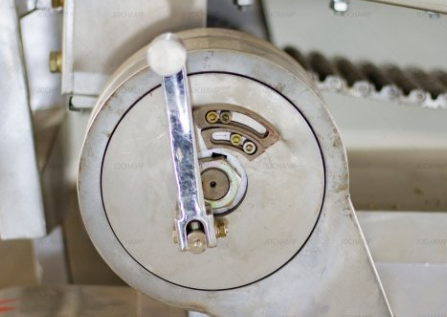
Consistency is an essential part of modern shisha tobacco manufacturing, and a Tobacco Cutting Machine can play an important role in achieving it. By converting whole or partially processed tobacco leaves into controlled strips, automated cutting equipment helps prepare the raw material for subsequent mixing, flavoring, and processing stages. For manufacturers, reliable cutting equipment can contribute to a more organized production workflow, consistent material preparation, and improved operational efficiency.
The Cutting Stage in Tobacco Processing
Shisha tobacco production involves several interconnected stages. Tobacco leaves must first be prepared before they can be combined with ingredients such as molasses, glycerin, and flavoring.
Cutting is an important part of this preparation process. The objective is to reduce the tobacco leaves into strips that are suitable for subsequent processing. When the material has a consistent structure, it can be easier to handle during later stages.
Industrial cutting machines provide an automated alternative to manual processing. Instead of depending entirely on workers to cut tobacco into strips, manufacturers can use mechanical equipment designed to deliver repeatable results.
Consistency Is Important for Production
One of the primary advantages of automated tobacco cutting is consistency. Manual cutting can result in differences in strip size because of variations in technique, speed, and operator fatigue.
A machine can maintain predetermined cutting settings throughout a production run. Shishapack’s tobacco cutting equipment offers adjustable cutting widths, allowing manufacturers to select dimensions according to their product requirements.
The company lists cutting widths of approximately 1–20 mm for its category configurations, while the QYJ-200 model is specified with a cutting length of 2–25 mm. Manufacturers should select the appropriate configuration according to their required tobacco characteristics and final product specifications.
How the Machine Supports the Production Workflow
A tobacco cutting machine is not simply a standalone device for reducing leaf size. It can form part of a larger processing system.
The typical process begins with tobacco entering the feeding system. Depending on the configuration, the machine may include an optional pre-cutting mechanism before the material reaches the main cutting system.
Specialized blades then process the tobacco into strips. Following cutting, an output conveyor transports the material toward the next stage. Additional systems such as blade cooling, lubrication, and sieves can support continuous operation.
Shishapack identifies these components as part of its tobacco cutting machine configurations, helping manufacturers create a more integrated production process.
Production Capacity and Efficiency
Production volume is another important consideration when choosing industrial cutting equipment. Different manufacturers may have significantly different throughput requirements.
Shishapack offers several machine categories designed for different production levels. Published capacities range from approximately 100–200 kg/hour for entry-level configurations to 350–500 kg/hour for high-performance models. The QYJ-200 model has a listed capacity of 100–400 kg/hour.
Selecting a machine should therefore involve comparing expected production volume with the machine’s appropriate operating capacity. The goal is to achieve sufficient throughput without creating unnecessary equipment costs or production bottlenecks.
Blade Technology and Cutting Performance
Blade quality directly affects cutting performance. Industrial machines need cutting components that can maintain their effectiveness during repeated operation.
Shishapack states that its machines can use hardened steel or tungsten-carbide blades. Optional titanium and ceramic coatings are also available.
Different blade configurations may be appropriate for different operating conditions. Regardless of the selected material, routine inspection and maintenance are important. Blades should be checked for wear and replaced or serviced when their condition begins to affect cutting quality.
Machine Construction and Maintenance
Industrial tobacco processing equipment must be durable enough for regular operation. Shishapack states that its tobacco cutting machines use food-grade stainless steel for their frame and body.
Stainless steel construction provides corrosion resistance and can make cleaning and routine maintenance more manageable. Manufacturers should nevertheless establish regular maintenance procedures covering the cutting system, lubrication, electrical components, conveyors, and other machine parts.
Preventive maintenance can help identify developing issues before they result in unexpected production interruptions.
Operator Control and Safety
Modern cutting equipment also requires practical control systems. Shishapack uses a PLC touchscreen interface with multiple language options, allowing operators to manage machine functions through a centralized system.
Safety is equally important. The machine incorporates protective guards, emergency-stop controls, and sensors designed to detect issues such as jams and overloads. Shishapack states that its equipment is designed and tested according to relevant EU safety requirements.
Operators should still receive appropriate training and follow the manufacturer’s instructions and applicable workplace safety regulations.
Integration With Other Machinery
The greatest efficiency gains can often come when the cutting machine is integrated with other processing equipment.
Shishapack’s broader shisha tobacco processing solutions include tobacco preparation, cutting, molasses and glycerin mixing, flavoring, dosing, and packaging. A cutting machine can therefore be positioned within a larger automated workflow.
Connecting equipment can reduce unnecessary manual handling and help maintain a smoother movement of materials from one production stage to another.
Customization for Different Production Needs
Every tobacco processing facility has different requirements. Production capacity, tobacco type, cutting dimensions, available space, and existing machinery can influence the appropriate equipment configuration.
Shishapack provides customization options based on factors such as tobacco type, production capacity, cutting size, workflow, and additional functions. This approach allows manufacturers to develop equipment around their actual production environment rather than relying on a one-size-fits-all solution.
See also: Business Acquisition Financing Canada: Funding a Successful Business Purchase
Conclusion
A tobacco cutting machine can provide an important foundation for consistent and efficient shisha tobacco processing. By automating the cutting stage, manufacturers can improve material consistency, support production throughput, and prepare tobacco for subsequent mixing and flavoring operations.
When selecting equipment, businesses should evaluate cutting dimensions, capacity, blade technology, construction, maintenance requirements, operator controls, safety features, and integration possibilities. A well-configured machine can become an effective part of a modern production line while supporting reliable and repeatable tobacco processing.