Soccer Shin Guards: A Complete Guide to Protection, Comfort, and Confidence
Every soccer player knows that the game can change in an instant. One moment, you’re chasing the ball across an open field; the next, you’re challenging an opponent for possession. With quick movements, tackles, and unexpected contact, protecting your lower legs becomes an important part of playing confidently.
That’s where soccer shin guards come in. These protective essentials help reduce the impact of accidental kicks and collisions while allowing players to concentrate on their performance.
Whether you’re preparing for your first match or improving your skills through regular practice, understanding how shin protection works can make a meaningful difference.
Why Soccer Shin Guards Matter
Soccer involves frequent physical contact, even when players follow the rules. A mistimed tackle or accidental kick can cause painful injuries.
Soccer shin guards create a protective barrier between the lower leg and external impact. Although they cannot prevent every injury, properly fitted guards help reduce the force transferred to vulnerable areas.
Protection During Physical Challenges
The shinbone sits close to the skin, with relatively little natural cushioning. Direct contact can therefore be especially uncomfortable.
Protective guards help absorb and distribute impact during tackles, contested passes, and crowded situations.
Greater Confidence on the Field
Players who feel adequately protected may be more comfortable participating in competitive challenges.
Instead of constantly worrying about accidental contact, they can focus on positioning, passing, and decision-making.
Different Types of Soccer Shin Guards
Not every player needs the same style of protection. Understanding the main options helps you choose according to your playing habits.
Slip-In Shin Guards
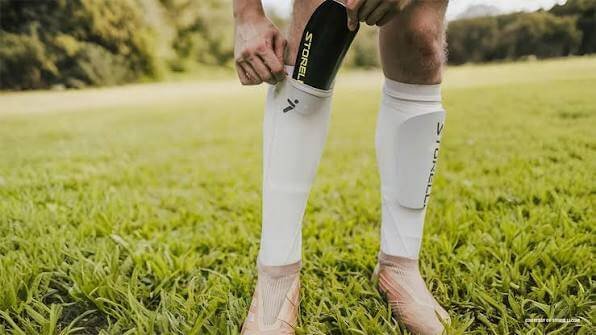
Slip-in designs are lightweight and fit beneath soccer socks. Players often secure them with fitted sleeves or other suitable retention methods.
They appeal to those who prefer flexibility and minimal bulk.
Ankle-Protective Shin Guards
Some designs extend protection toward the ankle area. These may suit developing players who want additional coverage during physical games.
However, the added material can feel less flexible than compact alternatives.
Compact Shin Guards
Smaller guards cover a reduced portion of the shin. They may feel less restrictive, although their smaller coverage area can leave more of the lower leg exposed.
How to Choose the Right Fit
Proper sizing is just as important as the protective design.
Soccer shin guards should sit comfortably along the front of the lower leg without interfering with knee or ankle movement.
Consider these factors:
- Length: Choose coverage appropriate for your leg size and playing requirements.
- Shape: Look for a natural contour that follows the shin.
- Stability: Ensure the guards remain secure while running.
- Comfort: Avoid excessive pressure or sharp edges.
- Coverage: Balance freedom of movement with adequate protection.
A poorly fitted guard may slide during play or create distracting pressure.
How to Wear Soccer Shin Guards Correctly
Begin by positioning each guard against the front of your shin.
The protective surface should cover the intended area without pressing directly against the knee or restricting ankle movement.
Secure the guards according to their design, then pull your socks over them.
Before starting a match, jog, turn, and perform a few controlled movements. If the guards shift noticeably, adjust their position or retention.
Common Wearing Mistakes
Players sometimes choose guards that are too small simply because they feel lighter.
Others tighten their sleeves excessively, creating unnecessary discomfort.
Avoid both extremes. Effective protection depends on a secure, comfortable fit and suitable coverage.
Caring for Your Shin Guards
Regular maintenance helps keep soccer shin guards comfortable and hygienic.
After playing, remove them from your socks and allow moisture to evaporate.
Wipe their surfaces according to the manufacturer’s care instructions, particularly after muddy or wet sessions.
Inspect the protective shell and cushioning for cracks, deterioration, or damaged attachments.
Replace guards when their protective structure becomes compromised.
Conclusion
Soccer shin guards play an important role in helping players enjoy the game with greater comfort and confidence. The right choice depends on fit, coverage, playing style, and personal preference.
By selecting suitable protection, wearing it correctly, and maintaining it regularly, players can spend less time adjusting their gear and more time developing their abilities on the field.