Simple Ways to Make a Small Home Feel More Spacious
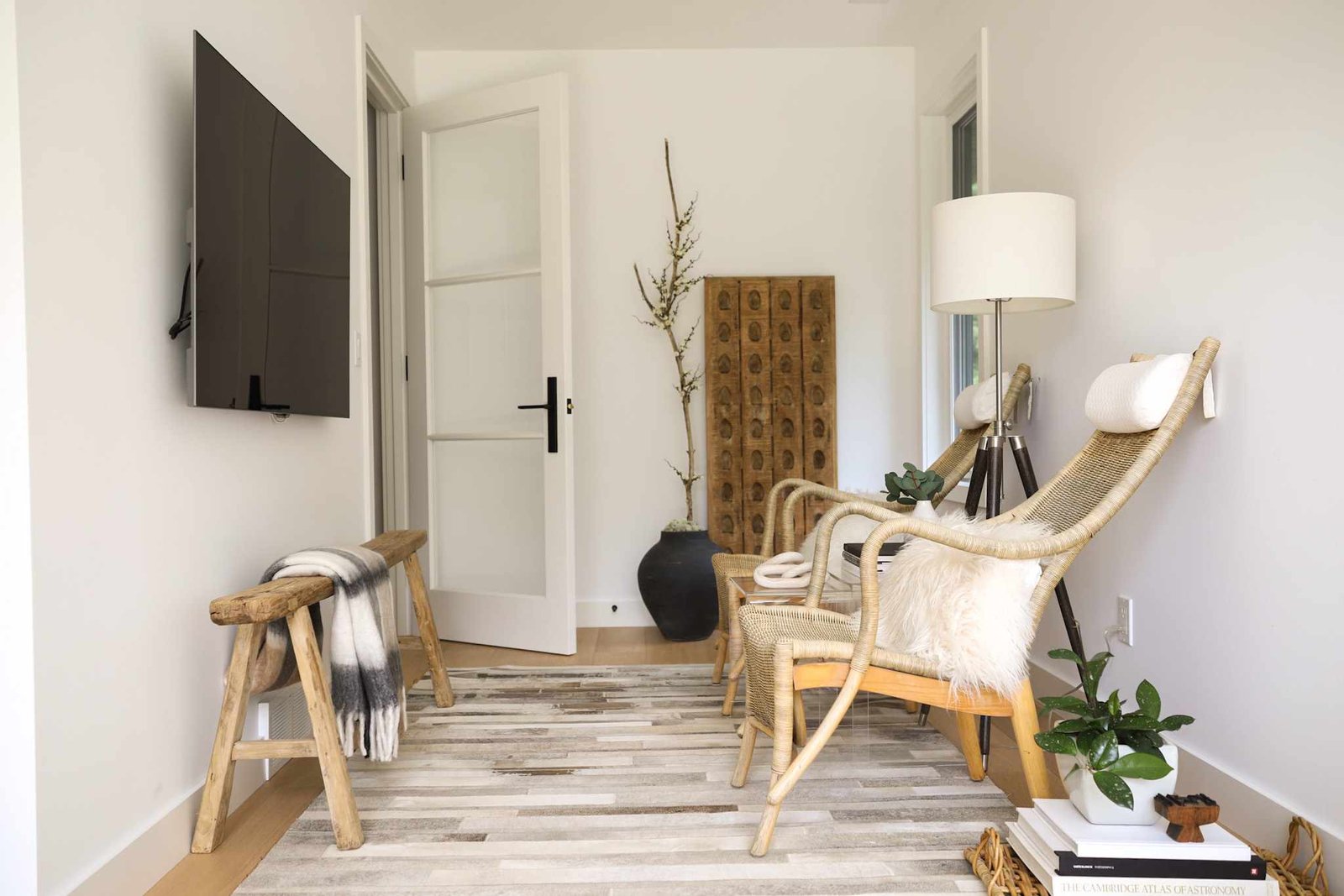
Living in a small home does not mean giving up comfort, style, or functionality. With thoughtful design choices, even a limited space can feel open, organized, and welcoming. The secret is to use every area carefully while avoiding unnecessary furniture and decorations.
Many homeowners make the mistake of filling small rooms with too many items. Large furniture, heavy curtains, and crowded shelves can make a space feel even smaller. A better approach is to focus on proportion, natural light, storage, and practical layouts.
Whether you live in a small apartment or a compact family home, a few simple improvements can make a noticeable difference.
Choose Furniture That Fits the Room
Furniture should match the size and shape of the available space. A large sofa may look attractive in a showroom, but it can overwhelm a small living room. Before buying furniture, measure the room and consider how much walking space will remain.
Choose pieces that provide comfort without taking up unnecessary room. A compact sofa, small coffee table, or narrow console may be more suitable than oversized alternatives.
Furniture with raised legs can also create a lighter appearance because more of the floor remains visible. This can help a room feel less crowded.
Use Light Colors Carefully
Color has a strong influence on how a room feels. Light shades such as cream, soft white, pale gray, and gentle beige can reflect natural light and make a small space appear brighter.
This does not mean every wall and piece of furniture must be white. Homeowners can introduce color through cushions, artwork, rugs, and small accessories. The key is to maintain a balanced palette instead of combining too many strong colors in one room.
Using similar shades in connected spaces can also create a more continuous appearance. This approach may make a small home feel more unified.
Make Natural Light a Priority
Natural light can make a room feel more open and pleasant. Avoid blocking windows with large furniture or heavy decorations. Choose curtains that allow daylight to enter while still providing privacy when needed.
Mirrors can also help distribute light around a room. A mirror placed opposite or near a window may reflect daylight and create a brighter appearance. However, its placement should feel natural rather than decorative without purpose.
Good artificial lighting is useful too. Combine ceiling lights with floor lamps or wall lights to reduce dark corners and make the room more comfortable in the evening.
Use Vertical Space for Storage
When floor space is limited, look upward. Wall mounted shelves, tall bookcases, and vertical storage units can provide useful space without occupying a large part of the room.
Use shelves for books, small plants, decorative pieces, and everyday items. Keep frequently used objects within easy reach and place less frequently used belongings on higher shelves.
Storage baskets and labeled boxes can help prevent clutter. A well organized storage system makes it easier to find things and keeps surfaces clear.
Consider Multi Purpose Furniture
Multi purpose furniture is especially useful in compact homes. A storage bed can provide extra room for bedding and seasonal clothing. An ottoman with hidden storage can serve as a seat and a place to keep household items.
A folding dining table may be suitable for homes where a permanent large table would take up too much room. Wall mounted desks can also create a useful work area without requiring a separate office.
Before purchasing a multi purpose product, check whether it is comfortable and easy to use. Functionality should never come at the cost of everyday convenience.
Bring Technology Into the Design Thoughtfully
Modern technology can support small home layouts. Smart lighting, compact speakers, wireless chargers, and connected appliances may reduce the need for multiple separate devices.
For example, adjustable smart lights can provide different settings for reading, relaxing, and entertaining. Wireless controls can also reduce the number of visible switches and cables in certain setups.
Homeowners looking for ideas that combine decoration with useful technology can explore creative home styling and innovation tips. These ideas can help people think about design as a balance between appearance and everyday needs.
Smart home features should be selected carefully. Too many devices can create clutter, require additional applications, and make a small home harder to manage.
Keep Technology and Cables Organized
Visible cables can make a compact room look messy. Use cable clips, cable boxes, and suitable storage solutions to organize wires around televisions, desks, and charging areas.
Choose devices that fit the available space. A wall mounted television may free up room on a media cabinet, while a compact router can be placed in a suitable location with enough ventilation.
People interested in connected home features can also read about smart technology for stylish modern living. Understanding how devices work together can help homeowners avoid unnecessary equipment.
Avoid Unnecessary Decorations
Decorative accessories give a home personality, but too many items can make a small room feel crowded. Instead of displaying everything at once, select a few pieces that complement the furniture and color scheme.
A simple wall picture, a small plant, or an attractive table lamp may be enough to complete a room. Keep surfaces reasonably clear so the space remains easy to clean and use.
Final Thoughts
A small home can be comfortable and stylish when its layout is planned carefully. Choose appropriately sized furniture, make use of natural light, organize vertical storage, and select decorations with a clear purpose.
The goal is not to make every room look empty. It is to create enough open space for people to move comfortably and enjoy their surroundings. With a few practical changes, a compact home can feel much larger and more welcoming.