
Simple Ways to Build an Emergency Fund and Protect Your Finances
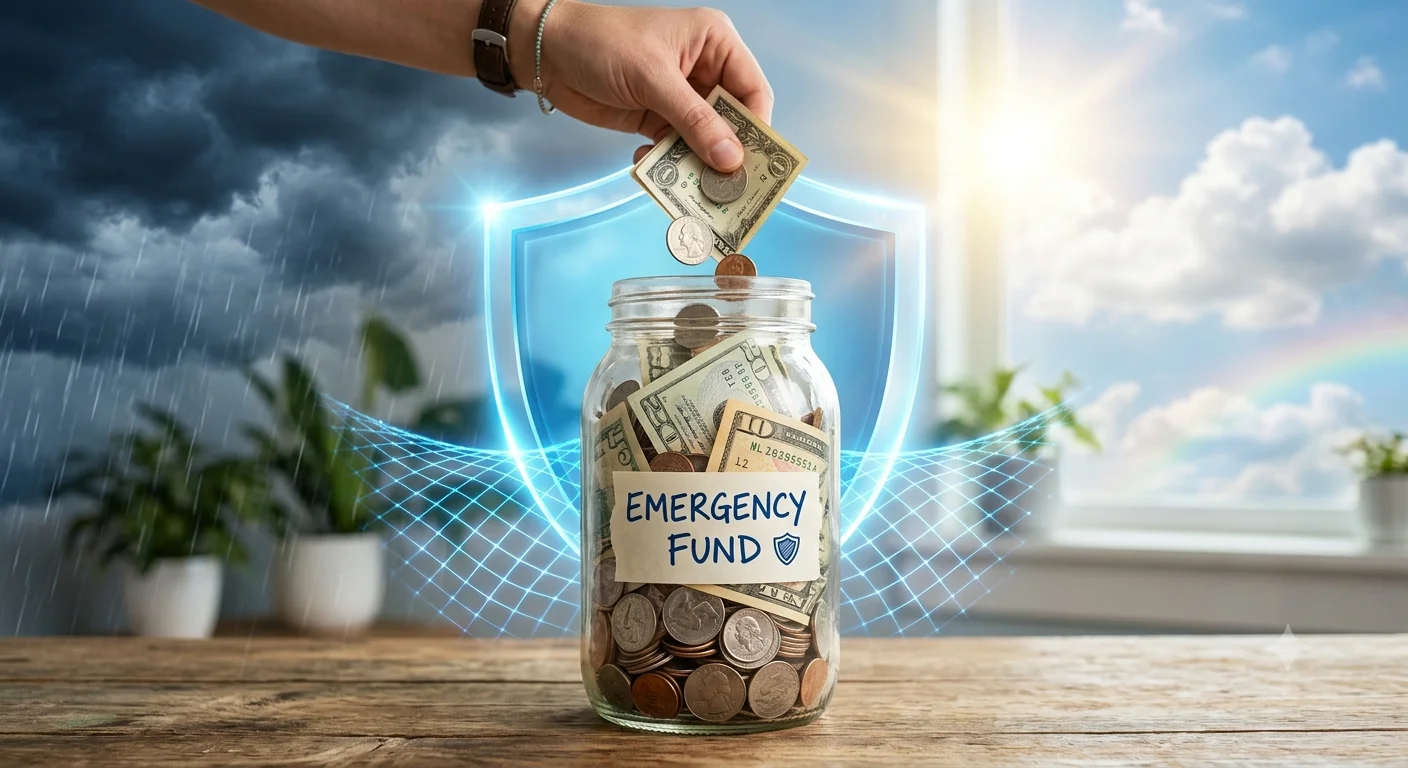
Life does not always follow a predictable schedule. A car may need an unexpected repair, a household appliance may stop working, or a person may suddenly lose part of their regular income. These situations can become stressful when there is no money available to handle them. An emergency fund provides financial protection by giving you access to savings when an important and unexpected expense appears.
Building an emergency fund may seem difficult, especially when most of your income already goes toward regular bills. However, you do not need to save a large amount immediately. A steady approach, realistic targets, and better spending habits can help you create a useful financial safety net over time.
Understand Why Emergency Savings Matter
An emergency fund is money reserved for unexpected and necessary expenses. It is different from savings for holidays, shopping, entertainment, or planned purchases. Its main purpose is to protect your everyday financial stability when something goes wrong.
Without emergency savings, people may depend on credit cards, personal loans, or borrowed money to manage urgent situations. These options can increase financial pressure because borrowed money often comes with interest, fees, and repayment responsibilities.
Having savings available gives you more choices. You may be able to repair your vehicle without taking out a loan or manage essential household expenses during a temporary income interruption.
Emergency savings can also provide peace of mind. Knowing that you have some money set aside may make unexpected problems easier to handle.
Decide How Much You Need to Save
A common starting goal is to save enough money to cover three to six months of essential living expenses. This amount can provide support if you experience a major income interruption or another difficult financial situation.
However, this target is not a requirement for everyone. Your ideal emergency fund depends on your circumstances. Someone with a stable salary, low expenses, and multiple household earners may need a different amount from a freelancer whose income changes every month.
Begin by calculating your essential monthly costs. Include housing, groceries, transportation, utilities, insurance, basic healthcare, and minimum debt payments.
If your necessary expenses are $2,000 per month, three months of essential costs would equal $6,000. That may be a long term target, but you do not need to reach it immediately.
Start with a smaller milestone, such as $500 or $1,000, depending on your income and local expenses. Reaching an initial target can help you feel more confident and encourage you to continue.
Start With an Amount You Can Afford
One of the biggest mistakes people make is choosing a savings target that is too difficult to maintain. They may try to save a large amount during the first month, struggle to pay their bills, and eventually stop saving.
A better approach is to choose a manageable contribution. Even saving $10, $20, or $50 regularly can help establish a habit. The exact amount matters less than your ability to continue without creating additional financial problems.
Review your budget and identify expenses that can be reduced. You might cancel an unused subscription, prepare meals at home more often, or limit unnecessary online shopping.
Transfer the money you save from these changes into your emergency fund. This gives the money a clear purpose instead of allowing it to disappear into other spending.
Make Saving Automatic
Regular saving becomes easier when you do not have to make the same decision every week. If your bank supports automatic transfers, schedule a small transfer for the day after your salary arrives.
This approach treats savings as a planned financial responsibility. You can start with a modest amount and increase it when your income improves.
If automatic transfers are not available, set a reminder on your phone or calendar. Move the money manually after receiving your income.
Consistency is more important than perfection. If you cannot save during a difficult month, return to your normal contribution when your financial situation becomes stable again.
Keep Emergency Money Separate
It is useful to keep emergency savings separate from your everyday spending money. When savings remain in the same account used for shopping and regular payments, it can become tempting to spend them on nonessential purchases.
A separate savings account can make your emergency fund easier to identify and monitor. Consider an account that allows reasonable access when money is genuinely needed.
Do not choose an account based only on an attractive interest rate. Check its fees, withdrawal conditions, minimum balance requirements, and protection arrangements.
Emergency money should be accessible and relatively stable. It is generally not suitable for highly volatile investments because its purpose is to help during difficult situations, not to seek high returns.
See also: Short-Form Video Marketing for Business Growth
Understand What Counts as an Emergency
An emergency fund should have clear rules. Without them, it may gradually become an ordinary spending account.
Suitable reasons to use emergency savings may include an urgent medical expense, an essential vehicle repair, a sudden loss of income, or necessary home repairs that cannot reasonably be delayed.
Planned expenses should normally have separate savings categories. A holiday, birthday celebration, new phone, or annual subscription payment is usually predictable and should not be treated as an emergency.
Before withdrawing money, ask yourself whether the expense is necessary, urgent, and unexpected. If it does not meet these conditions, consider another way to pay for it.
Refill Your Fund After Using It
Using emergency savings does not mean you have failed. The fund exists to support you when unexpected costs arise. The important step is to rebuild it after the situation becomes stable.
Suppose you had saved $1,500 and used $500 for an urgent repair. Your remaining balance is $1,000. You can create a new savings plan to replace the amount over several months.
Avoid putting too much pressure on yourself to restore the entire balance immediately. Continue paying essential bills, managing debt responsibly, and saving an affordable amount.
If another emergency occurs before your fund is fully restored, reassess your priorities and make adjustments as needed.
Protect Your Savings From Everyday Spending
It is easy to become discouraged when your savings grow slowly. One way to stay motivated is to track your progress visually. A simple spreadsheet or notebook can show how much you have saved and how close you are to your next target.
You can also divide a large goal into smaller milestones. For example, work toward $250 first, then $500, and eventually one month of essential expenses.
Avoid comparing your savings with people who have different incomes and responsibilities. Your financial progress should be measured against your own circumstances.
For more practical ideas about saving, budgeting, and developing responsible financial habits, explore BetterThisWorldMoney financial guidance.
Final Thoughts
An emergency fund is one of the most useful foundations of personal financial stability. It cannot prevent unexpected events, but it can reduce the financial damage they cause. Start with a small target, save consistently, keep the money separate, and use it only for genuine emergencies. Over time, these simple actions can create greater confidence and financial security.