Seasonal Maintenance Calendar for Lawn Mowers, Snow Blowers, and Chainsaws in Midvale, Utah
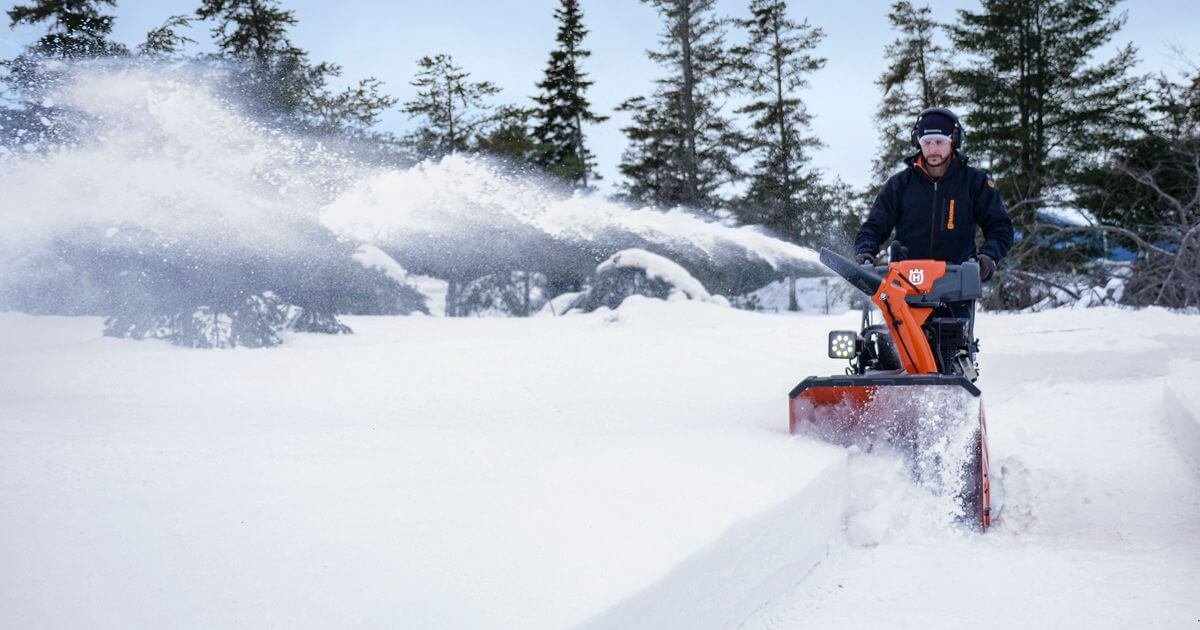
Midvale homeowners often move from dry, hot lawn-care weather to snow removal and winter storm cleanup in a relatively short span of time. A practical maintenance calendar keeps each machine ready for its season, whether you are using an existing mower or comparing lawn mowers for sale in Midvale for a property upgrade.
The goal is not to perform every possible repair at home. It is to clean equipment, inspect safety parts, use the correct fuel and fluids, and catch obvious wear before a mower, snow blower, or chainsaw is needed. Always make the owner’s manual the final authority for service intervals, replacement parts, and storage instructions.
Why Seasonal Care Matters
Outdoor equipment spends much of the year sitting still. Dust, grass clippings, moisture, vibration, old fuel, and temperature changes can affect how a machine starts and performs. In Midvale, a mower may work regularly through the growing season, while a snow blower can remain unused until a storm arrives. A chainsaw may be stored even longer, then brought out for pruning, fallen branches, or firewood.
Maintenance should follow actual conditions rather than the calendar alone. Start mowing when turf is actively growing, and keep mowing until growth slows in fall. Utah State University Extension’s guidance on basic turfgrass care in Utah also emphasizes adjusting lawn practices as the season and weather change, which helps homeowners plan mower use without relying on a fixed date.
Spring Equipment Checklist
Before the first major yard-work weekend, move each machine into a well-lit area and inspect it carefully. Brush off leaves, dust, nesting material, and old grass. Look over handles, wheels, tires, guards, fasteners, fuel lines, and electrical cords or battery contacts.
- Check the oil level and condition. Change oil only as directed by the manual.
- Use fresh fuel if the machine requires gasoline, and inspect for cracked lines or fuel odors.
- Clean or replace the air filter when it is dirty or damaged.
- Inspect the spark plug and replace it if it is heavily worn, fouled, or damaged.
- Sharpen and balance mower blades when needed. A dull blade can tear grass rather than make a clean cut.
- Test the starter, shutoff control, drive system, brake, and other safety features before beginning work.
Summer Care for Mowers and Handheld Tools
Summer use puts the most hours on lawn equipment. After mowing, wait for moving parts to stop, disconnect the spark plug wire or remove the battery as appropriate, then clear grass buildup from the deck and discharge area. Keep cooling areas clear so the engine or motor can shed heat normally.
A candid documentary-style photo of a Midvale homeowner in a naturally lit garage or driveway, kneeling beside a lawn mower and brushing grass clippings from the deck while basic tools and safety glasses sit nearby. The scene should feel practical and unposed, with realistic clutter, soft imperfect daylight, and a genuine seasonal maintenance moment.
Every 10 to 20 hours of use is a reasonable reminder to inspect the machine, but the manual controls the actual schedule. Check the mower blade if the lawn looks ragged after cutting. Look over drive cables, belts, wheels, height adjustments, trimmer heads, and blower tubes. Stop work if there is new smoke, unusual vibration, hard starting, overheating, power loss, or a repeated need to add oil.
Fall Preparation for Snow Blowers and Chainsaws
Snow Blower Preparation
Before the first expected snowfall, inspect belts, shear pins, the scraper bar, skid shoes, auger controls, chute rotation, and chute deflector. Check tire condition and pressure, or inspect tracks if the unit uses them. Confirm that the machine starts, moves, and responds to controls in an open area before snow is on the ground. Keep replacement shear pins on hand if the manufacturer specifies them.
Chainsaw Preparation
Inspect chain sharpness and tension, the guide bar, bar-and-chain oil supply, throttle lock, chain brake, handles, guards, and fasteners. Clean the air filter, cooling fins, sprocket area, and bar groove according to the manual. Use the fuel mixture specified for that saw, if it has a two-cycle engine.
For storm cleanup or branch removal, the chainsaw safety guidance for cutting after severe weather reinforces the importance of protective gear, a clear work area, secure footing, and caution around downed or nearby utility lines. Leave elevated, storm-damaged, leaning, or tension-loaded limbs to trained professionals.
Winter Storage Steps
- Clean machines before storage so grass, sawdust, salt, and moisture are not left against metal surfaces.
- Follow the manual for draining fuel or using a fuel stabilizer. The correct method differs by engine and fuel system.
- Store equipment in a dry, ventilated location away from ignition sources.
- Keep batteries within the manufacturer’s recommended storage temperature range.
- Use a cover that protects equipment without trapping moisture.
- Label equipment that needs service before its next season.
Equipment-Specific Checklists
Lawn Mowers
- Blade sharpness, balance, deck cleanliness, and discharge opening
- Oil, air filter, spark plug, drive cable, belt, wheels, and height adjustment
- Battery condition or power cord condition for electric models
Snow Blowers
- Auger and impeller movement, belts, shear pins, friction drive, and controls
- Scraper bar, skid shoes, tires or tracks, chute movement, and engine oil
Chainsaws
- Chain tension, chain sharpness, guide bar wear, and bar lubrication
- Chain brake, throttle lock, fuel system, air filter, handles, and guards
Safety Checks Before Use
Read the owner’s manual before servicing unfamiliar equipment. Shut off gasoline engines and disconnect the spark plug wire before working near blades, augers, chains, or other moving parts. Remove batteries from cordless equipment before clearing a jam or cleaning a cutting area.
Wear eye protection, hearing protection, sturdy footwear, and close-fitting clothing. Use gloves for handling sharp parts, but keep hands away from moving components. Chainsaw work may also require a hard hat, face or eye protection, hearing protection, cut-resistant leg protection, and suitable boots. Never bypass a guard, brake, switch, or safety interlock.
See also: Short-Form Video Marketing for Business Growth
When to Repair, Replace, or Call for Help
Basic work such as cleaning, replacing a filter, checking fluids, sharpening a mower blade, or adjusting chain tension is often manageable when the manual supports it. Seek qualified service for fuel leaks, electrical faults, severe vibration, repeated starting failures, damaged safety controls, drive-system problems, or signs of internal engine damage.
Consider replacement when a machine is unsafe, critical parts are unavailable, or a repair estimate approaches the value of a comparable replacement. A seasonal checklist will not eliminate every breakdown, but it gives Midvale homeowners a safer, more reliable starting point for lawn care, snow removal, and property cleanup throughout 2026.