Planning Energy-Efficient Continuous Glass Production
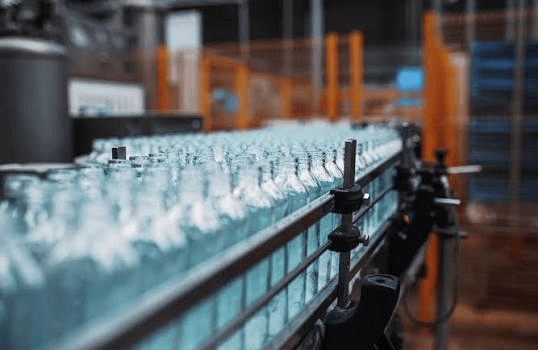
Energy management has become an important consideration for manufacturers operating thermal processing equipment. Glass heating requires substantial energy, so production businesses need to understand how equipment operation, maintenance, scheduling, and process control influence overall consumption.
An efficient production strategy should aim to balance energy use with output and product quality rather than focusing on consumption alone.
Understanding Energy Consumption
Thermal processing equipment uses energy to create and maintain the required heating environment. The amount consumed can depend on production volume, operating conditions, equipment design, downtime, and maintenance.
Manufacturers should begin by measuring current energy use.
Without reliable data, it can be difficult to determine where improvements are possible.
Monitoring Energy Per Production Unit
Total energy consumption does not always provide a complete picture. A factory producing twice as much glass will naturally use more energy.
A more useful approach can involve comparing energy use with production output.
Tracking energy per unit of production can help manufacturers identify changes in efficiency over time.
Improving Production Scheduling
Equipment may continue consuming energy during periods when production is not operating at full capacity.
Careful scheduling can help reduce unnecessary idle operation. Manufacturers can organize production runs according to demand and available capacity.
Grouping compatible production requirements may also reduce repeated adjustments.
Evaluating Continuous Heating Systems
Continuous heating can support a steady production workflow when matched appropriately to manufacturing requirements.
Manufacturers researching equipment can consider systems such as the EASTTEC Forced Convection Continuous Heating Machine and compare their operating characteristics with the factory’s requirements.
Equipment selection should include consideration of capacity, product specifications, maintenance, control systems, and energy performance.
Maintaining Heating Equipment
Poor equipment condition can affect operating efficiency. Heating components, sensors, controls, insulation, and mechanical systems should be inspected regularly.
Preventive maintenance can help identify issues that may increase energy consumption or reduce process stability.
Maintenance records can also help identify recurring performance problems.
Managing Heat Loss
Manufacturers should consider where heat may be lost within the production system. Equipment condition, doors, insulation, and operating procedures can all influence thermal efficiency.
Technical teams can inspect relevant components and follow manufacturer recommendations for maintenance and operation.
Reducing unnecessary heat loss can support better energy management.
See also: Key Benefits of Modern Smart Pedestrian Crossing Technology
Using Process Monitoring
Production monitoring provides information about temperature, processing time, material movement, and equipment performance.
When this information is combined with energy data, manufacturers can better understand the relationship between operating conditions and consumption.
Data can support decisions about process adjustments.
Training Employees
Operators influence energy use through machine settings, production scheduling, and responses to equipment conditions.
Training should explain efficient operating practices without compromising product quality or safety.
Employees should also understand the importance of reporting equipment problems promptly.
Measuring Improvement
Energy efficiency projects should be measured using clear indicators.
Manufacturers can track:
- Energy consumption
- Energy per production unit
- Production output
- Equipment downtime
- Defect rates
- Maintenance costs
These measurements help determine whether changes are producing practical improvements.
Creating Long-Term Energy Strategies
Energy management should not be treated as a one-time project. Production conditions change as product ranges, order volumes, and equipment requirements evolve.
Regular reviews allow manufacturers to update operating procedures and identify new opportunities for improvement.
FAQs
1. Why is energy management important in glass production?
Thermal processing can require significant energy, making consumption an important part of manufacturing operating costs.
2. How can manufacturers measure energy efficiency?
They can compare total energy use with production output and monitor energy consumption per production unit.
3. Can maintenance affect energy performance?
Yes. Equipment condition, heating components, sensors, insulation, and control systems can influence operating efficiency.
Conclusion
Energy-efficient continuous glass production requires a combination of appropriate equipment, careful scheduling, thermal monitoring, preventive maintenance, employee training, and reliable performance data. By evaluating energy consumption alongside output and quality, manufacturers can develop a more balanced approach to managing thermal production costs.